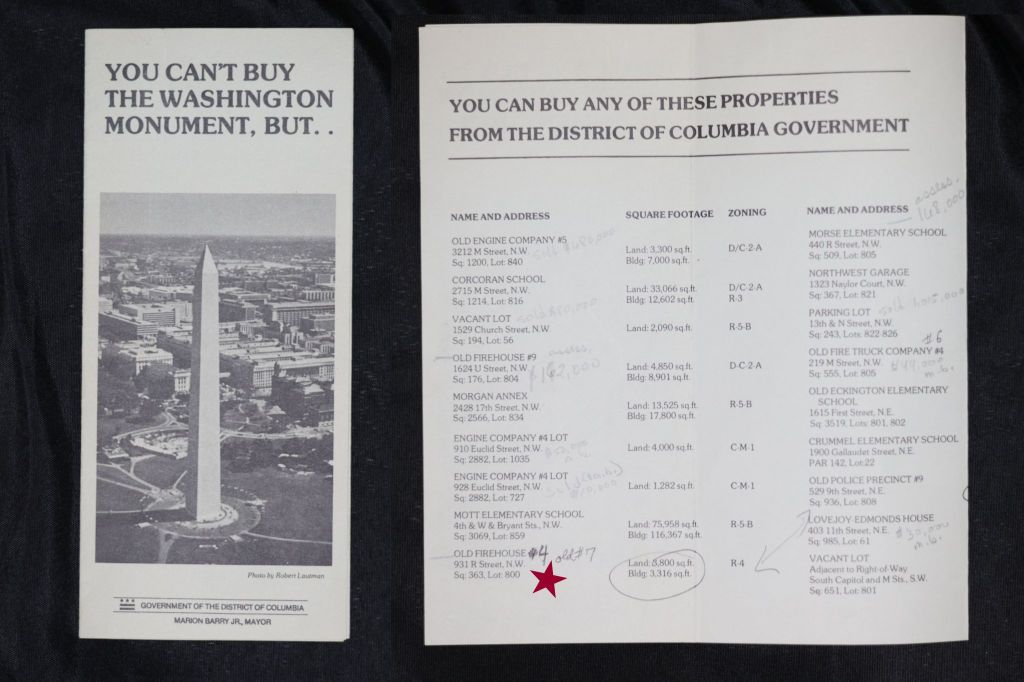
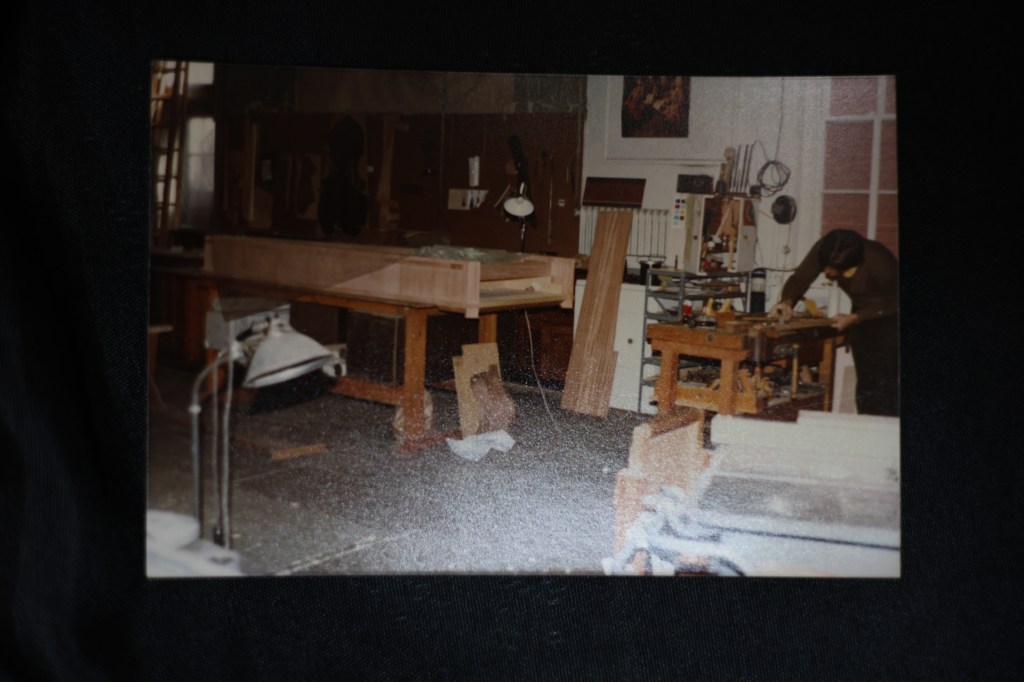
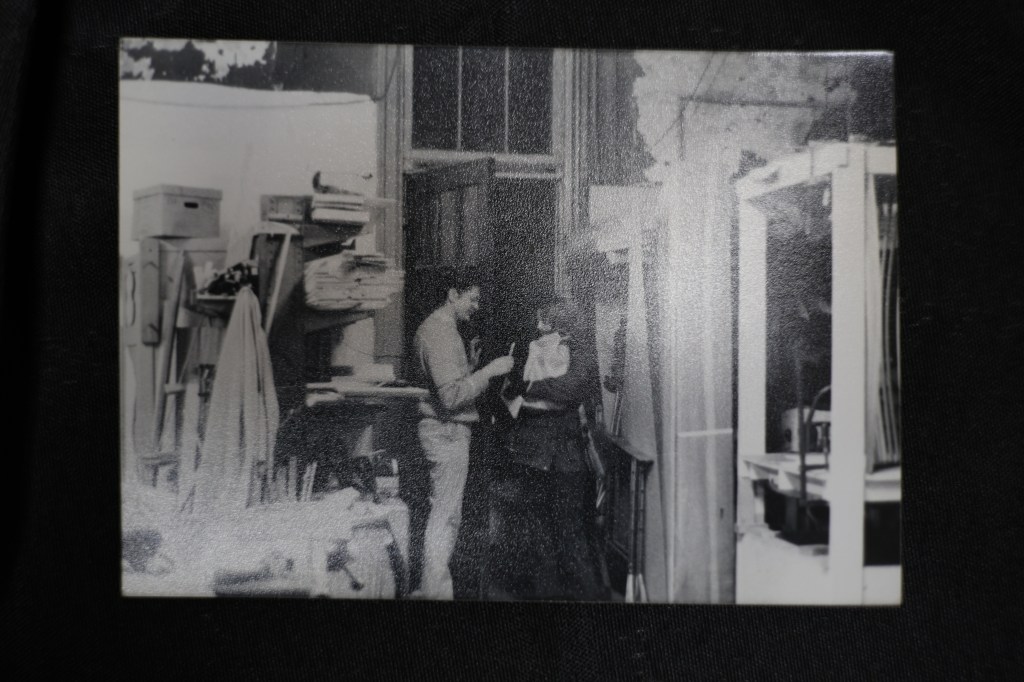
… and now to pick up the “stay tuned” thread at the end of 1979’s post: 1982 was a transitional year in many ways (a first Schantz piano underway, designing the first German harpsichord with an eye toward 1985), not the least of which was figuring out how to acquire the firehouse. In the latter part of 1981, DC announced the forthcoming sale of “surplus” city property at auction, including the firehouse. Among the two dozen listed properties, only we had a potential claim to purchase it pre-auction (having rented it for years). It took more than another year and a lawyer to establish our legal right to buy it outright. But the bigger problem was raising enough money to make good on the sale. The obvious elephant in the room was the 1785 Jacques Germain harpsichord.
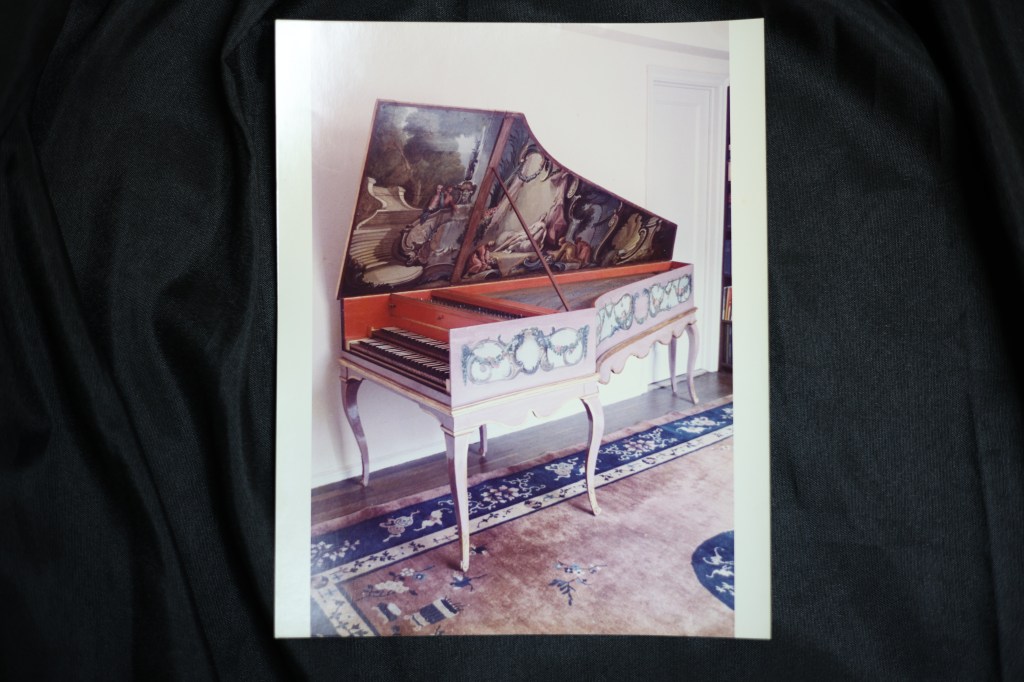
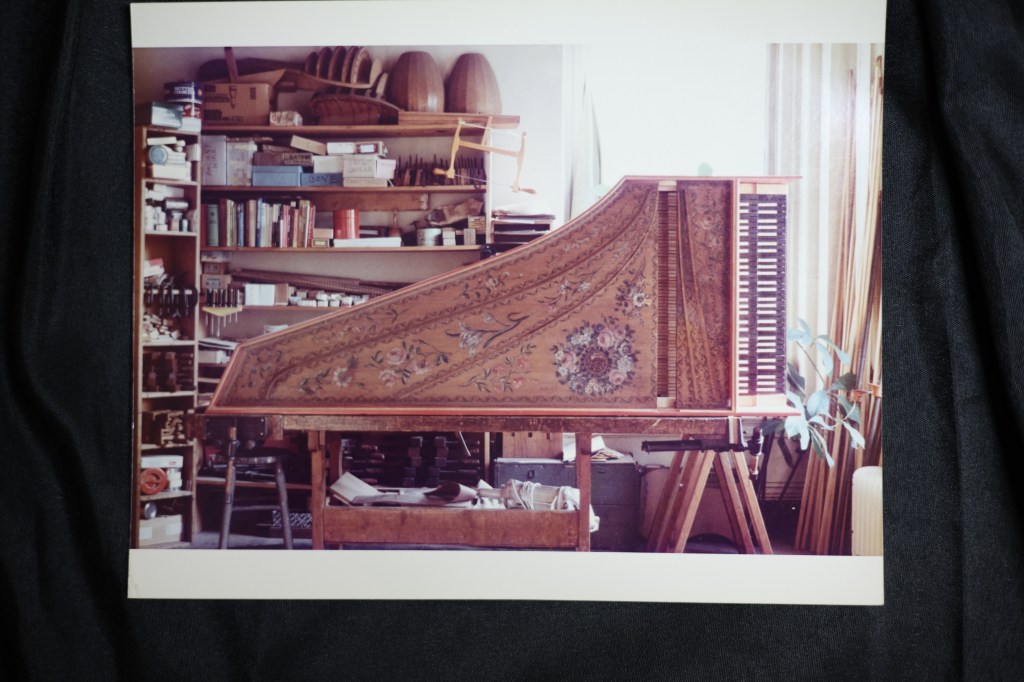
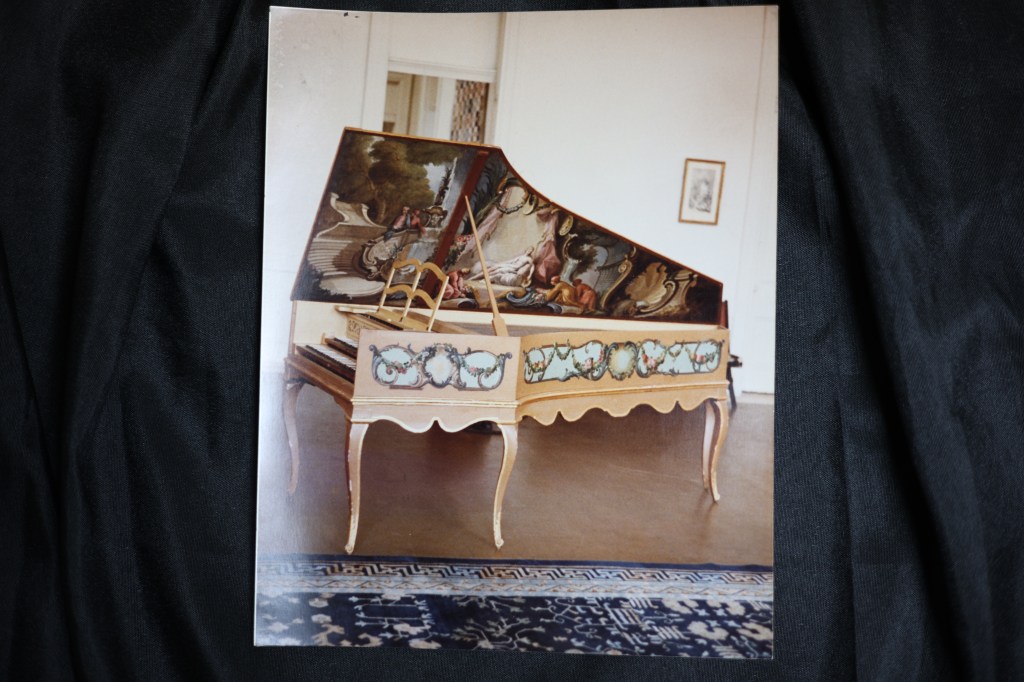
The instrument came into our hands in 1976 at a “furniture” auction not on the radar of the musical instrument world. It may have been the “deal of the century”, but our bank account was emptied. We didn’t have the next month’s rent, but it was pointed out that the Germain could buy us a house some day. Our intention was to restore it eventually and keep it forever. Suddenly it looked as though forever had arrived: losing the building in which the shop was now deeply entrenched was unimaginable. It was the only thing that could justify selling an 18th-century French harpsichord, but the venerable English instrument maker, collector and dealer Hugh Gough made us such an honorable offer, including involvement in the restoration, that we let it go in order to secure the shop’s future. So in 1982, after the Germain had gone to New York, and the city decided it might not offer the firehouse to us for “fair market value”, it was a nightmare to think we might end up with neither the Germain nor the building. It would be more than another year until the firehouse was ours.
Photos of the Germain before and after the Gough restoration (previously “restored” by John Challis in 1952) illustrate the emergence of its original decoration. Fortunately, the spectacular soundboard painting was in excellent condition and remained “unimproved”.

