The drama of the Germain harpsichord’s acquisition and departure was finally justified in 1983 when the firehouse was purchased for “fair market value”. The appraisers who came to inspect and determine that value visited on a freezing gray day in early January. Everything of value or visual interest had been stowed away or disguised, few lights were on, and – unintentionally – the massive 19th-century steam boiler had run out of fuel overnight, so it was below 50 degrees indoors. To avoid looking irresponsible with the building, Tom ran out for a few gallons of diesel and re-started the boiler. By the time the inspectors appeared, the furnace was bellowing away, the radiators were clanking and warm, but it was still frigid. The two older men stayed less than ten minutes, never undid their overcoats, and kept their hands in their pockets. Upon departure, one patted Barbara’s arm and said, “Good luck, dear”. The value was within the Germain’s budget.
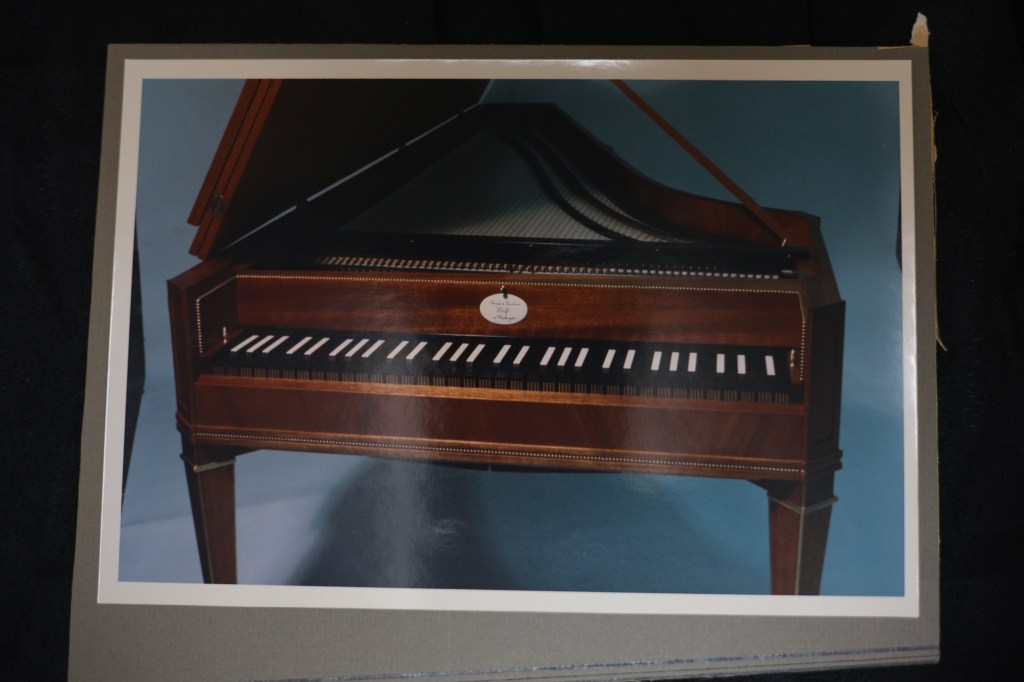
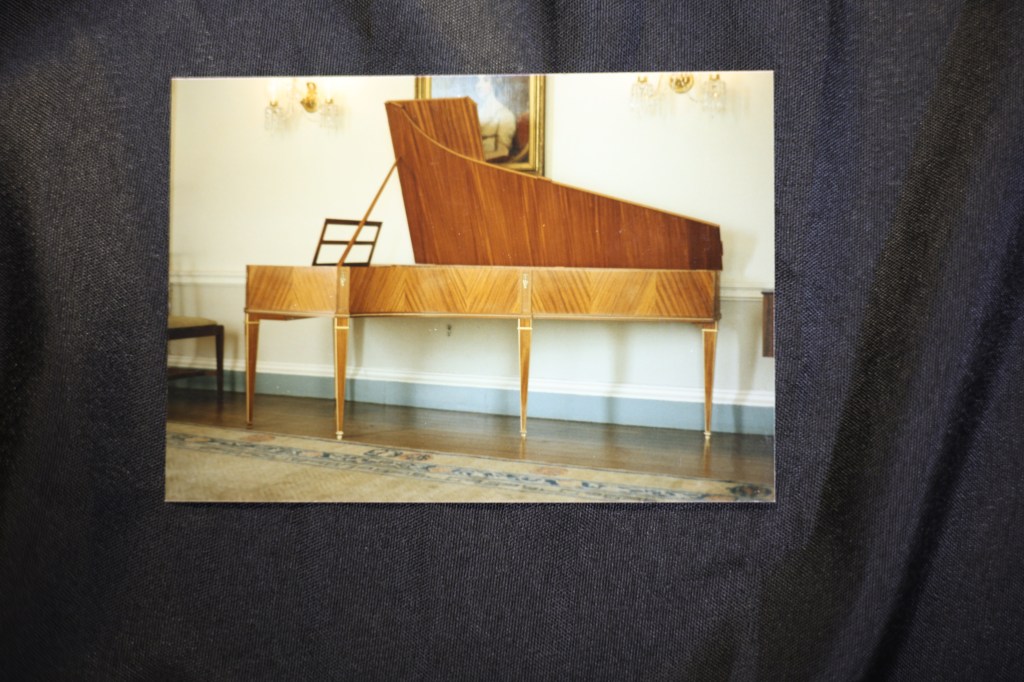
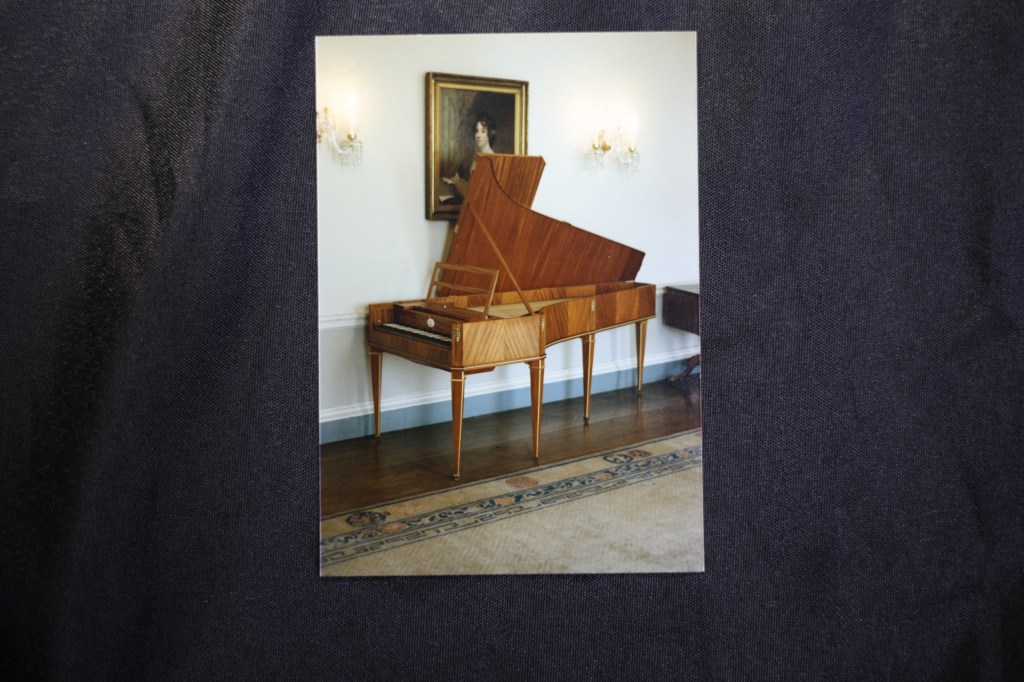
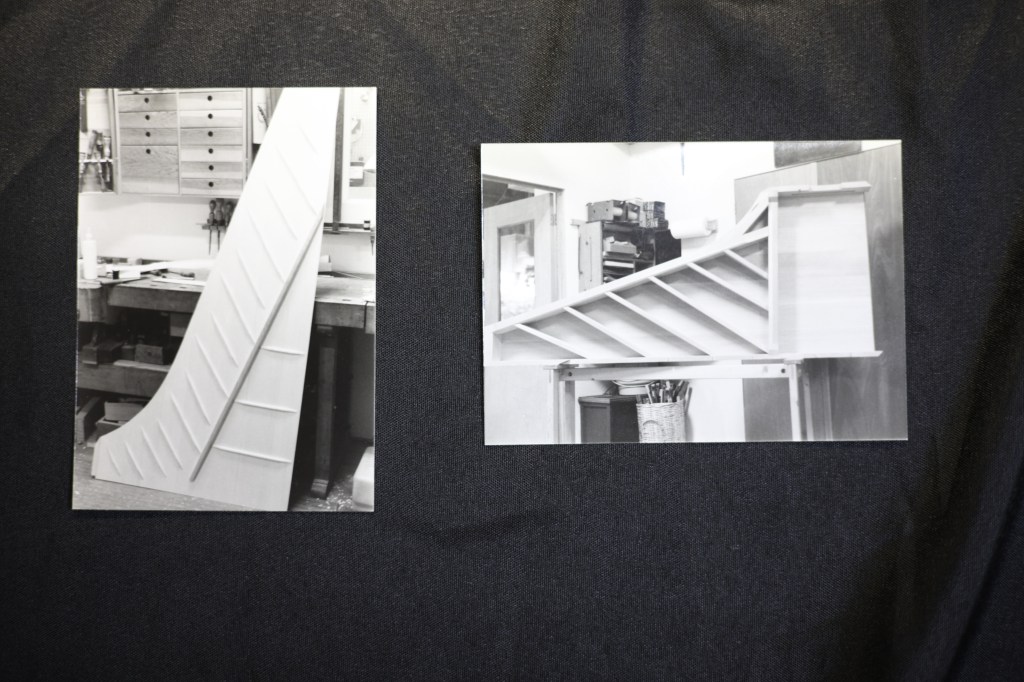
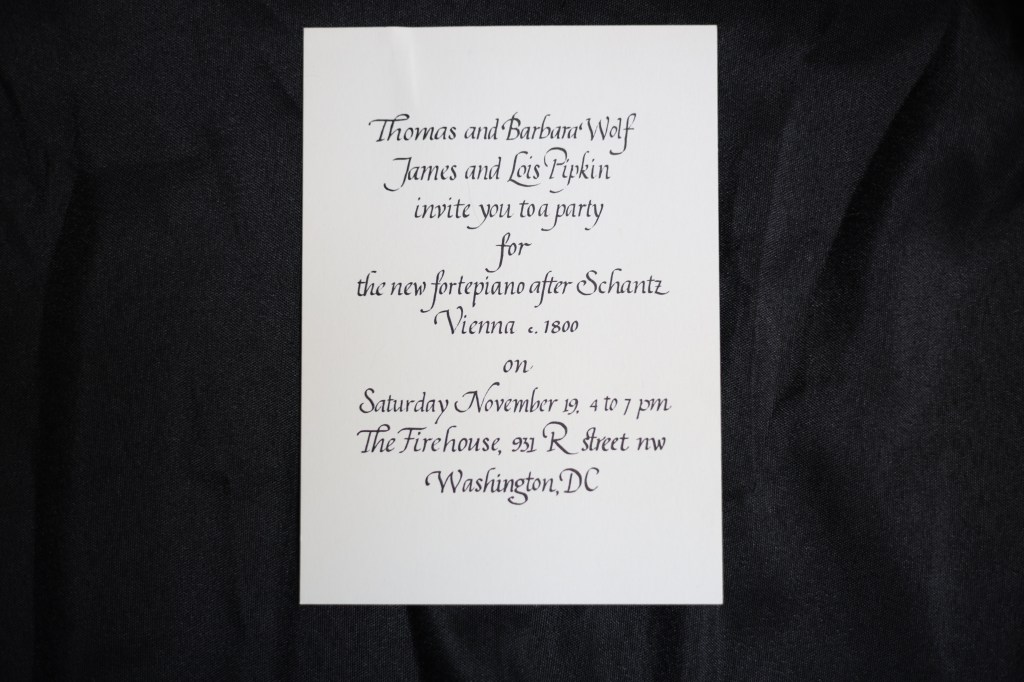
Meanwhile, the first Schantz fortepiano was delivered, enhanced by all the decorative details of the original. This instrument differed (inside and out) from anything we or anyone else was making at the time, and it was beautiful in every way; the new owners hosted an inaugural party. A few years later it would be acquired by the talented young Swiss player, Ursula Dṻtschler.
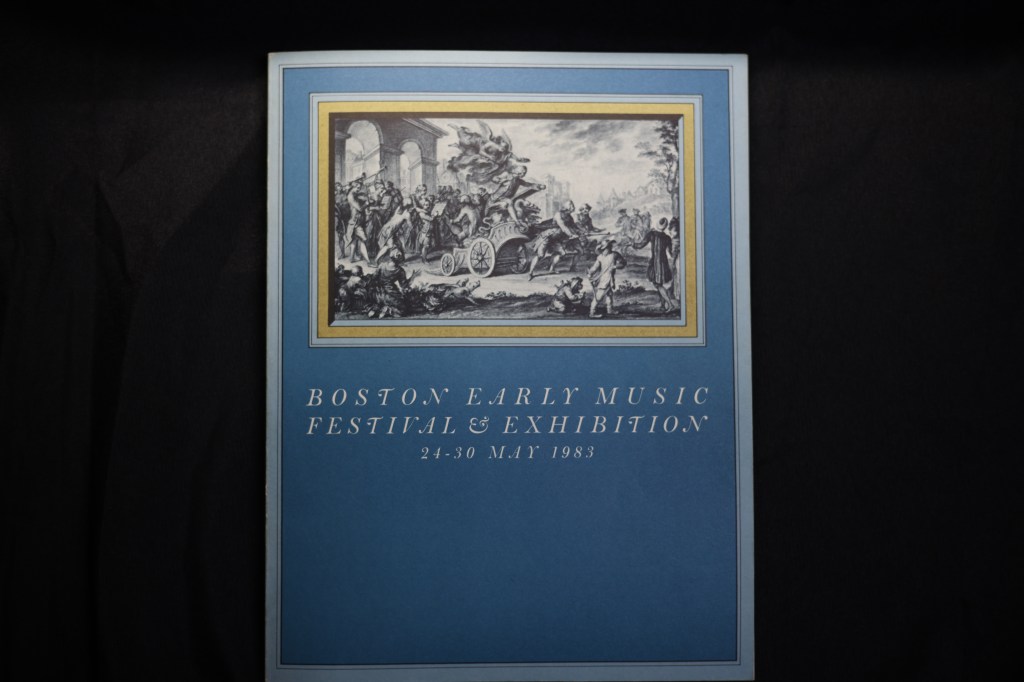
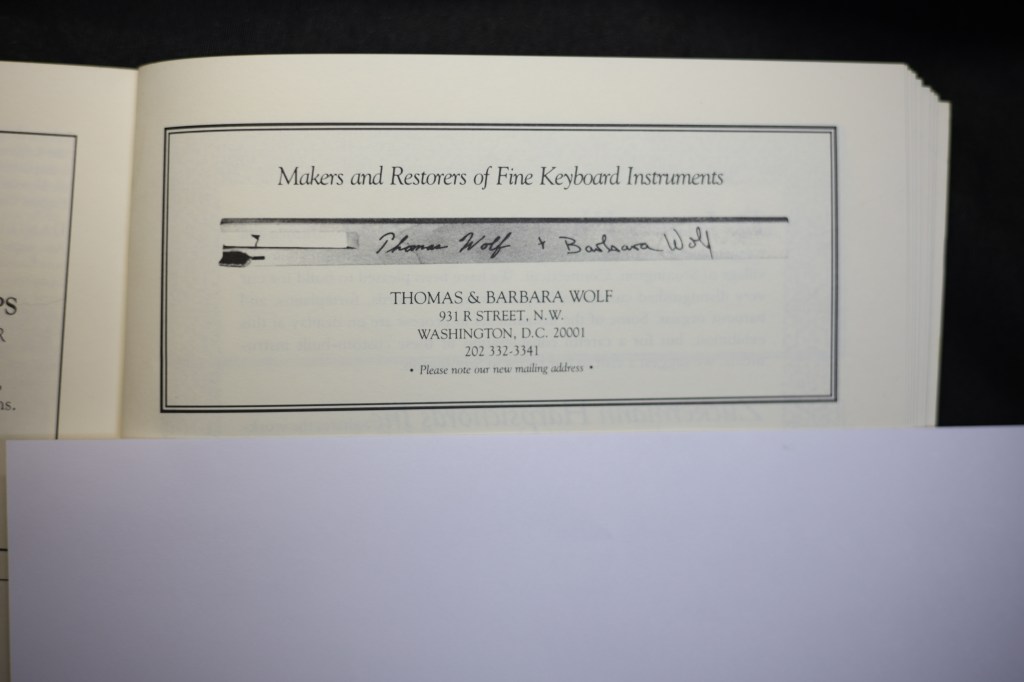
After its launch in 1981, the biannual Boston Early Music Festival (BEMF) moved into its second iteration in 1983. Immediately seen as the primary international event of its kind, it attracted more exhibitors and advertisers. Even the Wolfs felt compelled to place an ad in the well-produced festival book, which became an important biannual reference publication.

