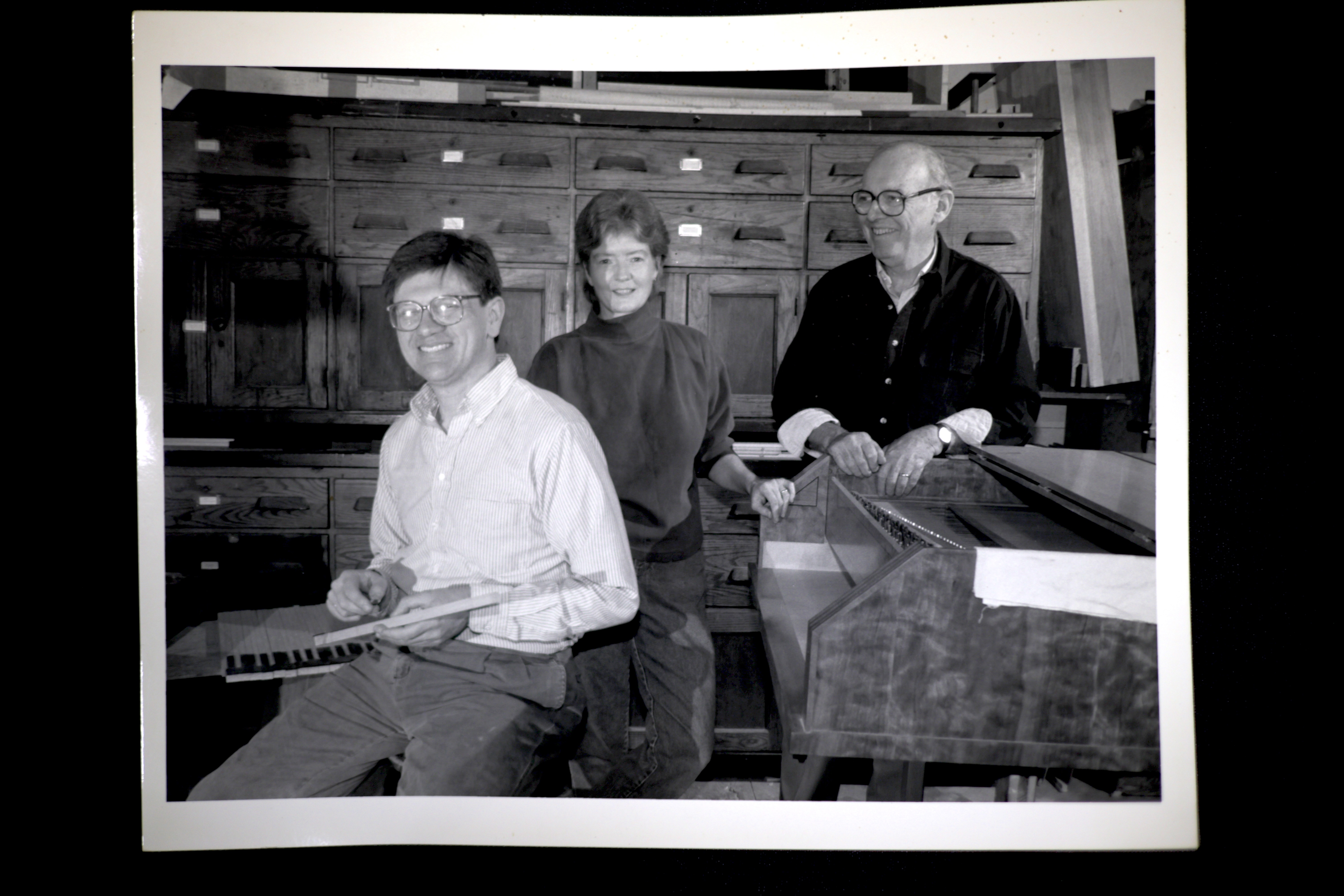
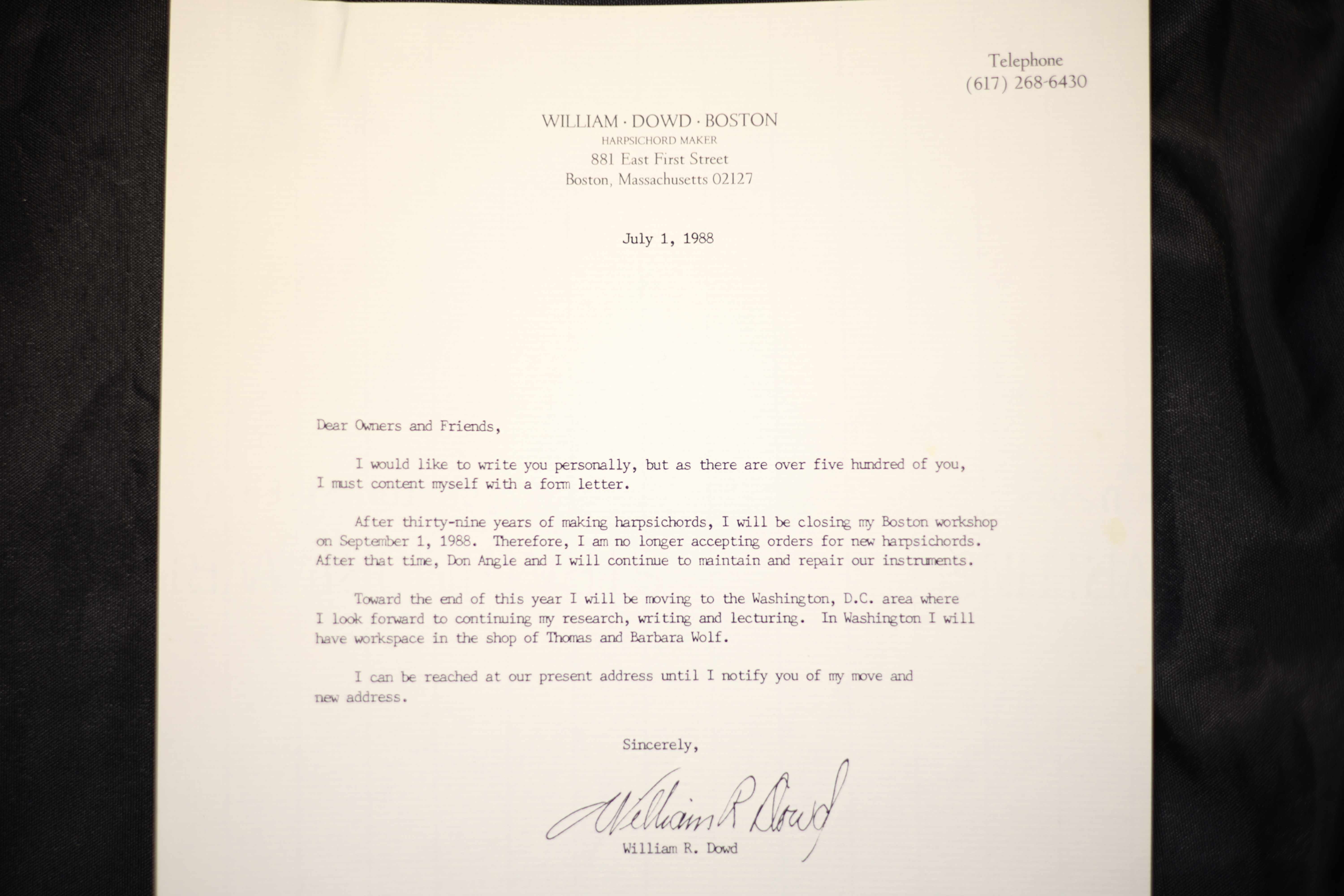
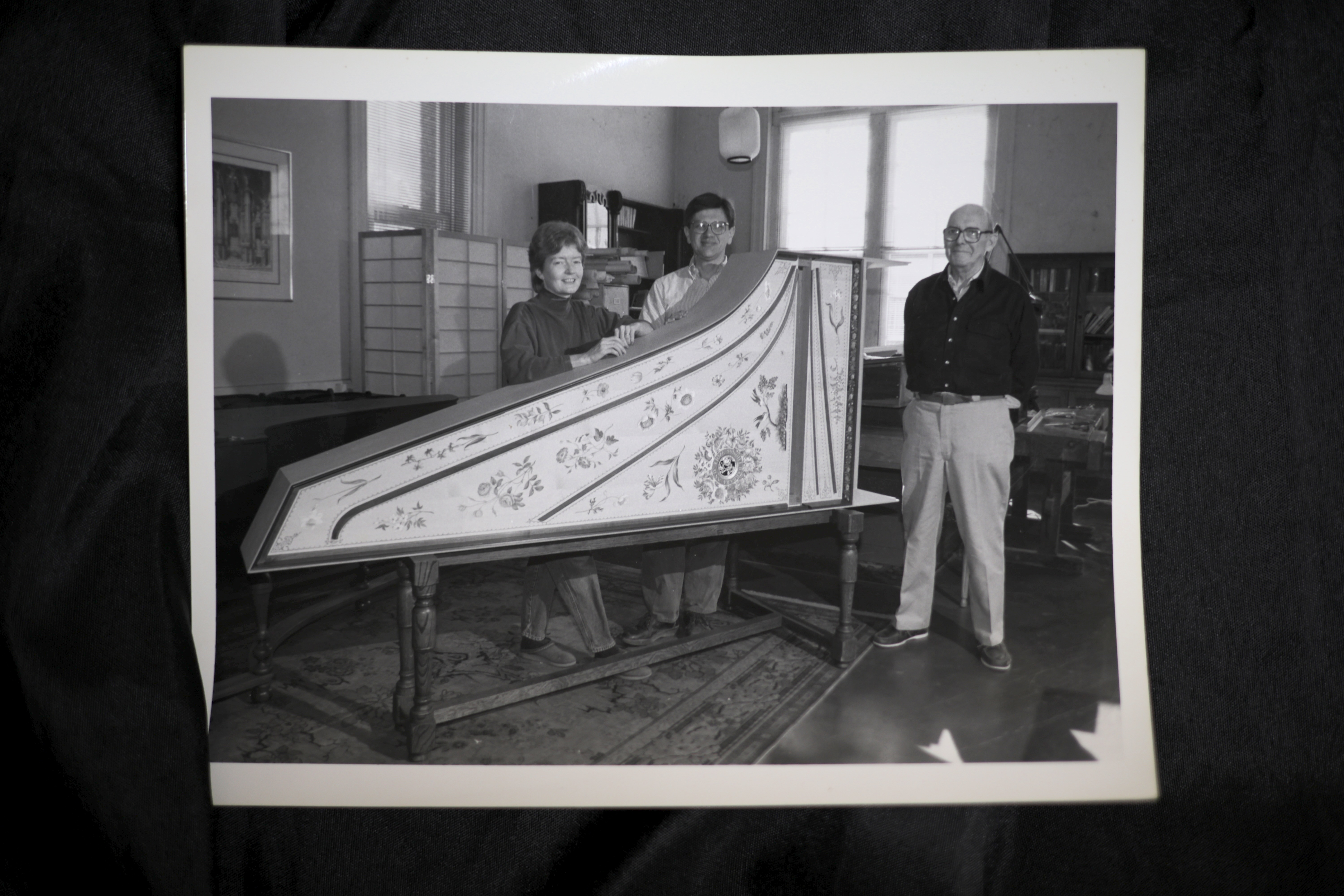
As watershed years go, 1988 was a big one in the harpsichord world: William Dowd closed his Boston shop and entered a phase of semi-retirement with space in our shop. Bill saw us as a continuum in his approach to harpsichord making, also carrying those principles forward into fortepiano making. His letter announcing the development was preceded by many discussions on how to use this as a generational transfer of both professional influence and material goods.
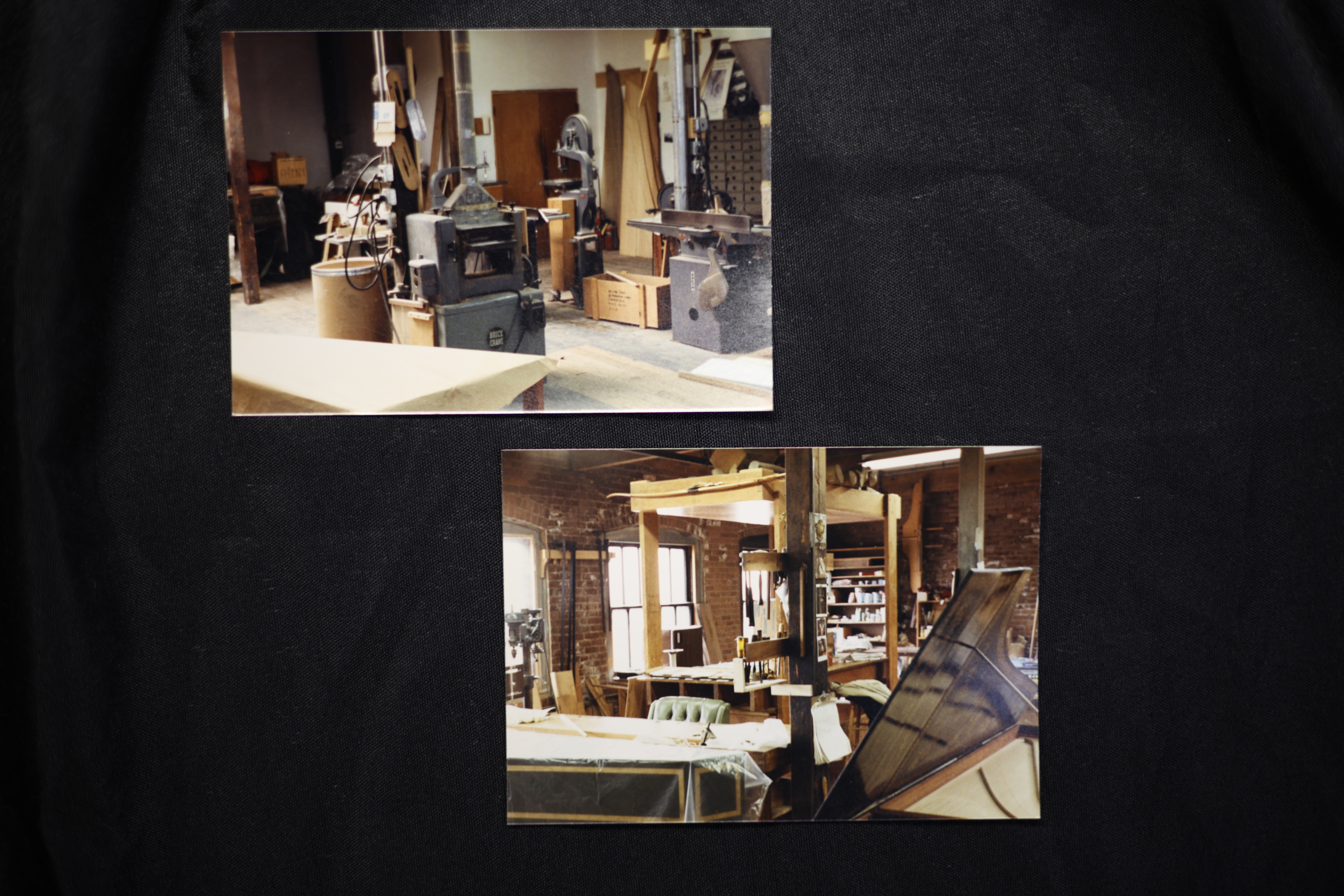
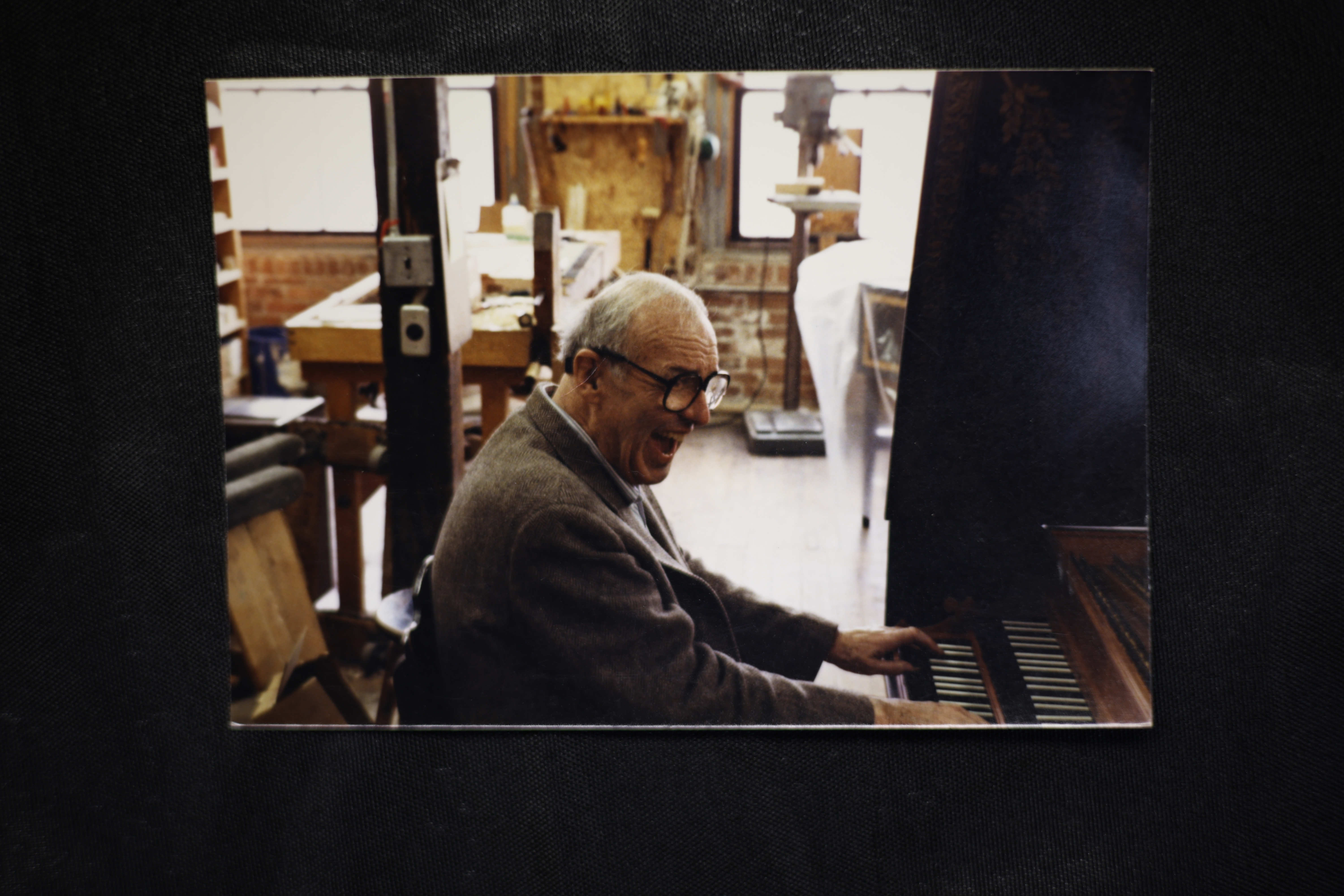
Bill wanted freedom to pursue projects on his own schedule, to write and perhaps publish. He had several connections in the Washington area (including the Smithsonian), and access to a complete workshop was appealing. He took over an enclosed space in the main workroom and moved his substantial drawing board into the big lofty upstairs space. Our shop would make or assist Bill with anything he might need. In exchange, after certain tools and supplies from the Boston shop went to significant disignees, the rest was available to us. During a very long weekend we packed up or threw out the contents of one of the most influential ateliers of the twentieth century. Bill was so relieved to have the remaining inventory from forty years dealt with that he launched into his rendition of the Harvard “fight” song (a favorite).
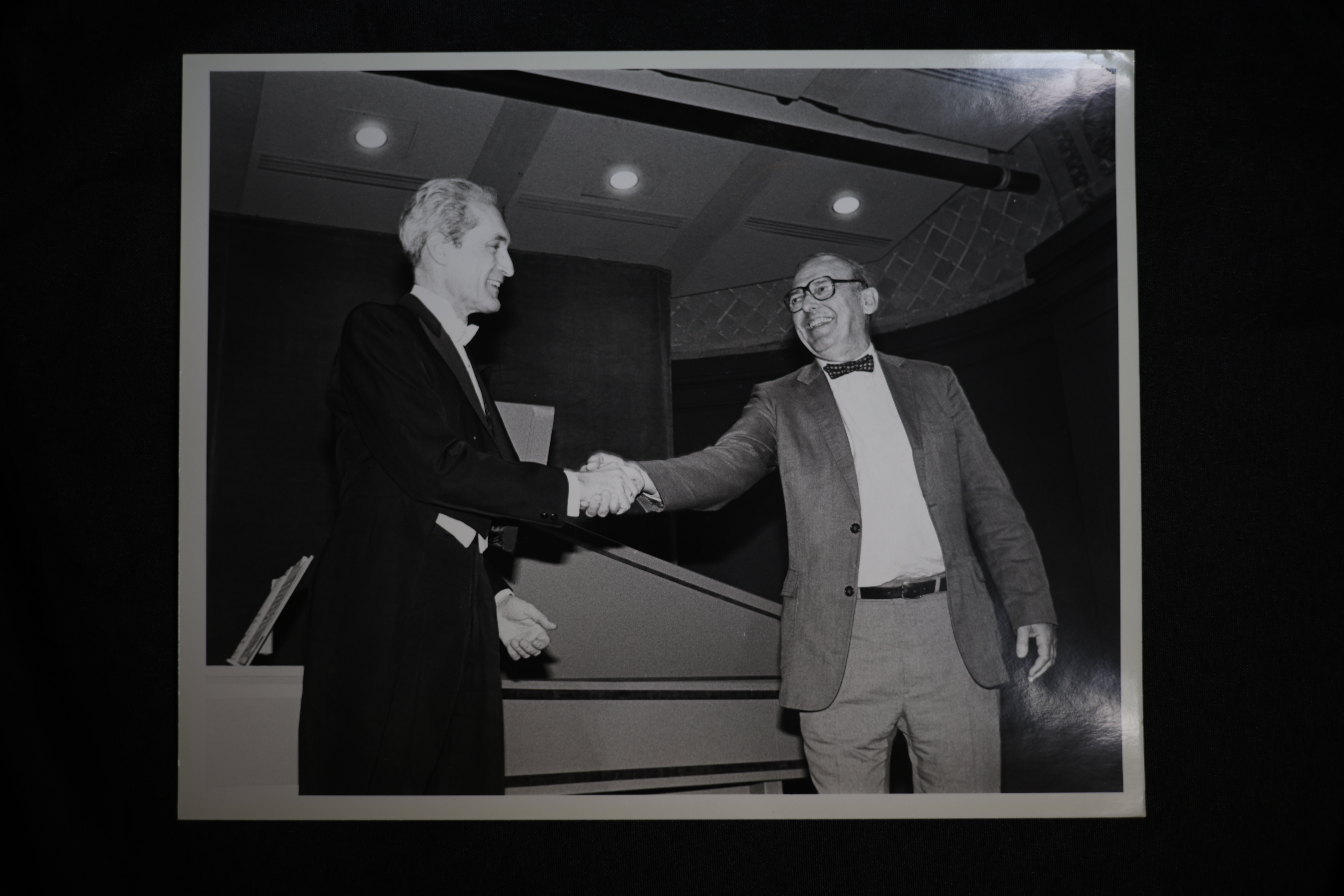
For the dozen instruments still on his waiting list, Bill returned any order deposit fees and referred the potential clients to us. Some of them found other available harpsichords, but a majority of them did continue with us. This sudden influx extended our waiting list and prompted an enlargement of the staff as our “Dowd phase” began. It was also a period when numerous organizations acknowledged Bill’s legacy. He and Gustav Leonhardt congratulate each other after a concert with one of his harpsichords.
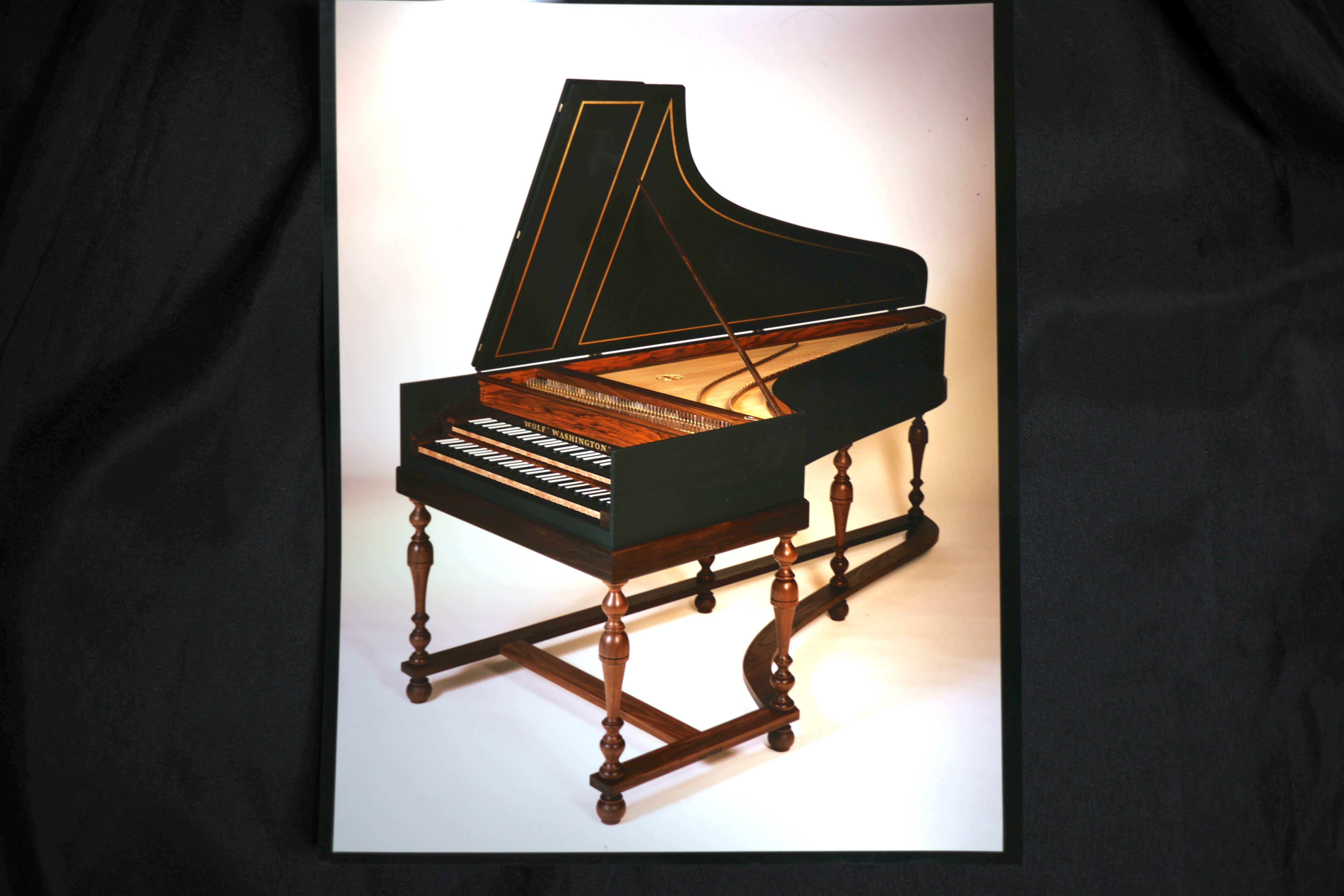
Meanwhile, the shop continued to crank out instruments already on order. The last of the big batch of Germans went to the Juilliard School – their first of that type – thanks to Albert Fuller.

