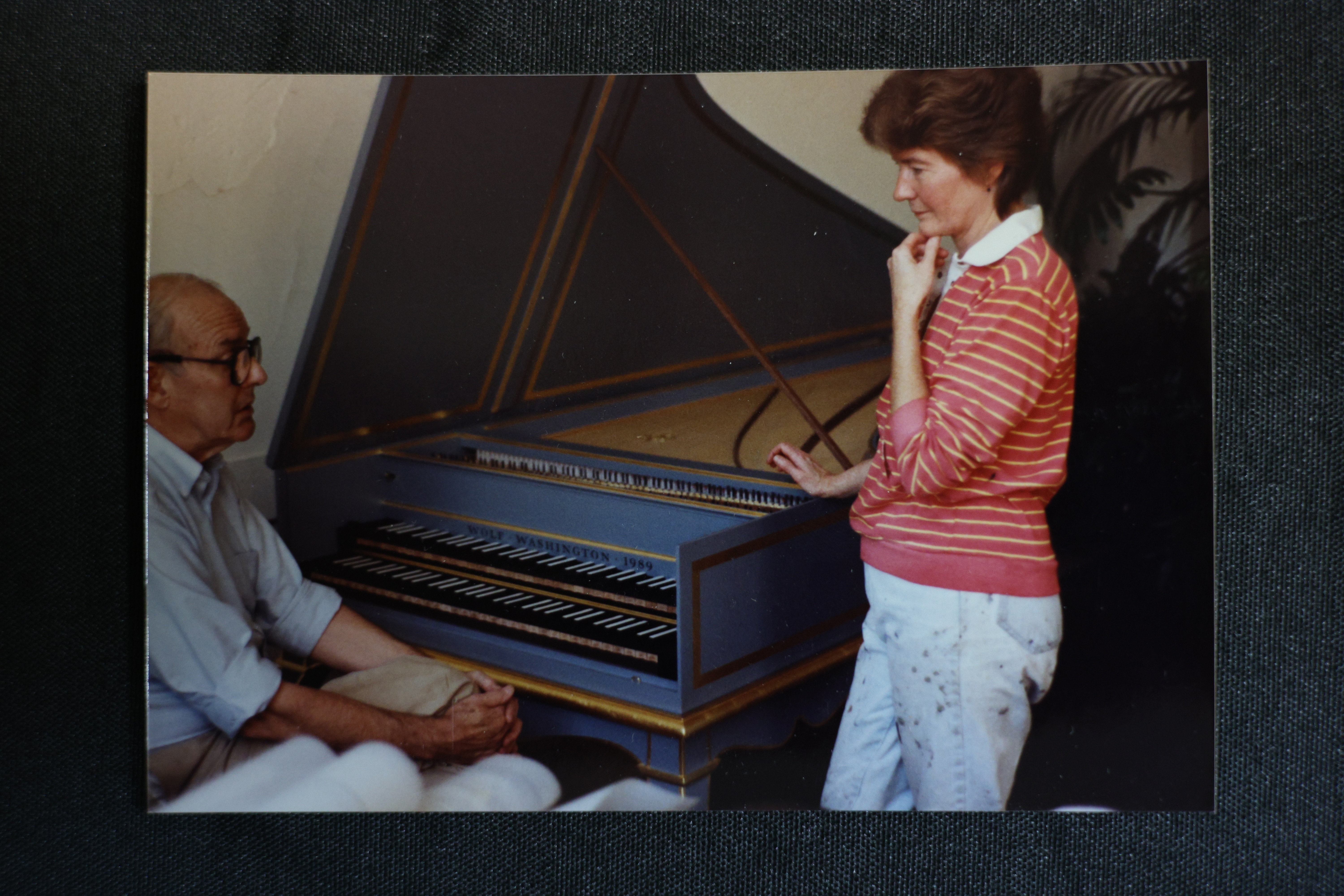
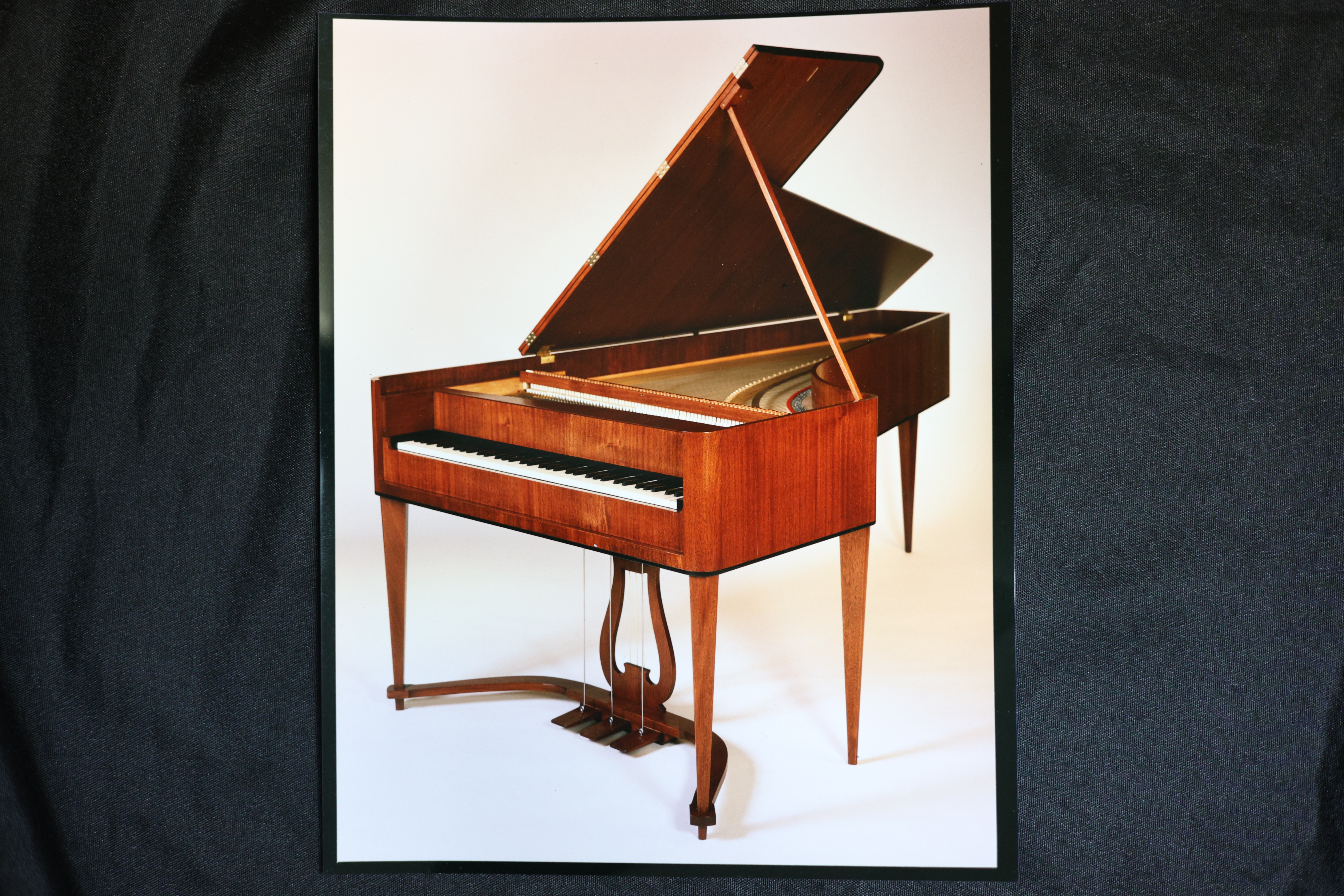
As Bill Dowd settled into the shop on a regular basis, it was informative to have his opinions on the musical finishing of harpsichords we had already begun before his arrival. But the big delivery in 1989 was our first 6-octave piano, ordered by Duke University. It was our own design, a composite based heavily on historical examples by Nanette Streicher, using information from Charlie Fisher’s examination of originals during our trip to the Germanisches Nationalmuseum in 1981. Several other makers shared drawings, sources and techniques, as we were all on the leading edge of this new phase in historical piano reproduction. Our generation dealt with fortepianos much as our masters’ generation had taken on harpsichords and earlier keyboards. Most of us had never worked for anyone who made pianos, and felt more collaborative, less competitive, than the harpsichord crowd. Perhaps we needed each other more because we started with less than our second/third generation harpsichord contemporaries.
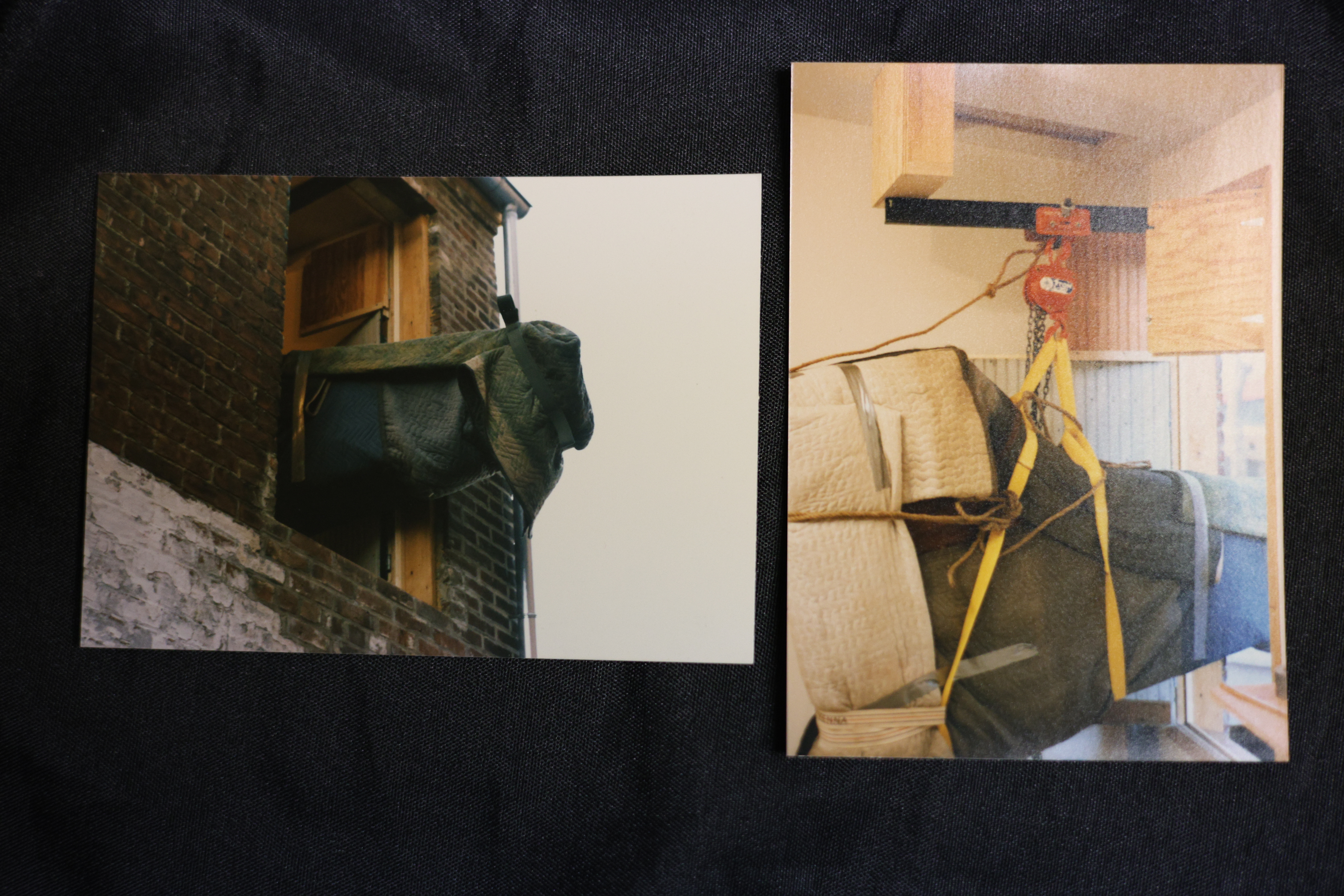
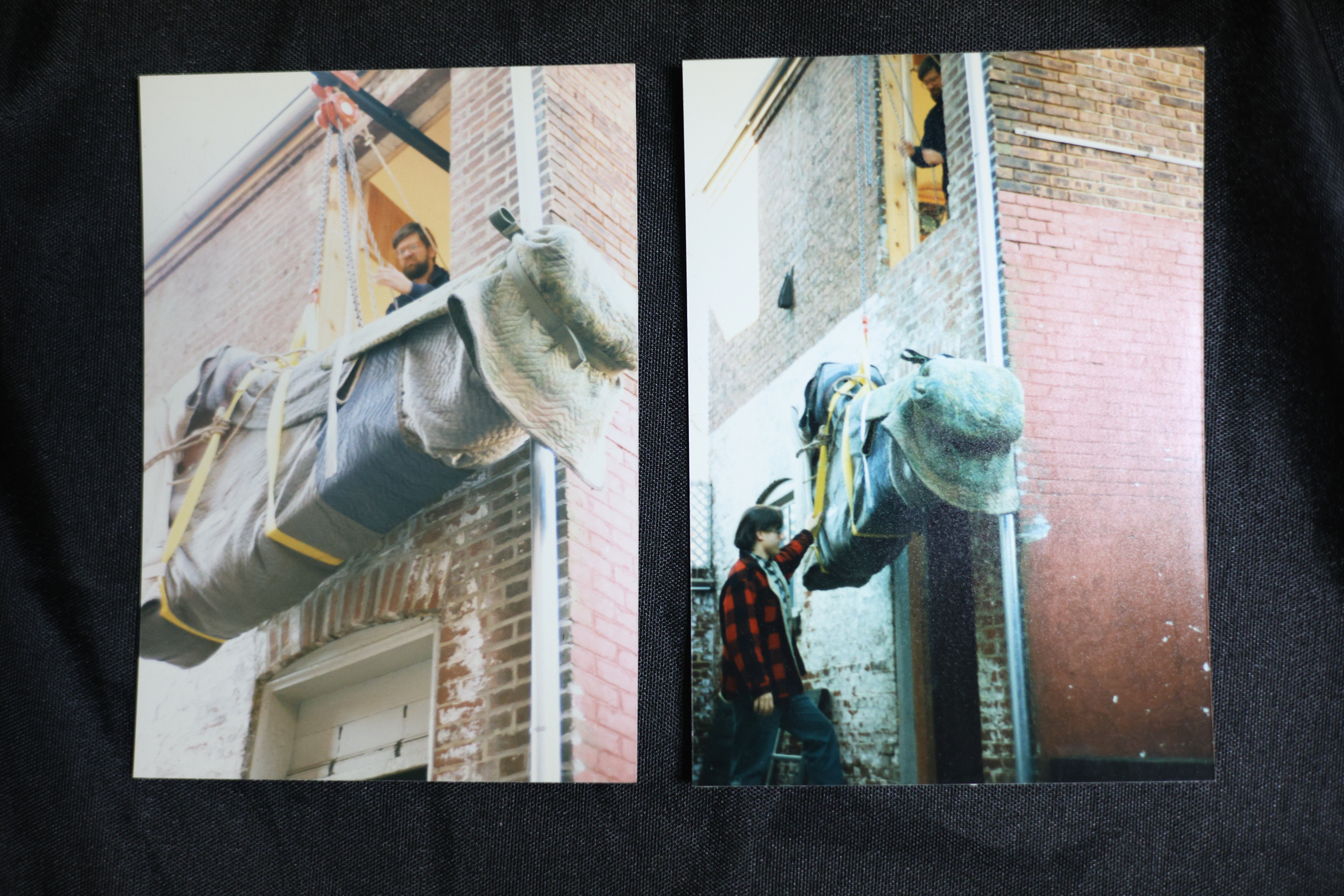
With Bill’s arrival and the addition of several new full time staff, it was necessary to increase shop space, so the second floor of a small stable behind the firehouse was restored to house a decorative finishing room. The steep staircase was manageable for everything except the new big piano, which had to be lifted through the loft door with a chain hoist. It was scary enough sending it up, but after the case had been varnished and polished it was worth considerably more, and the trip down was even more anxious.
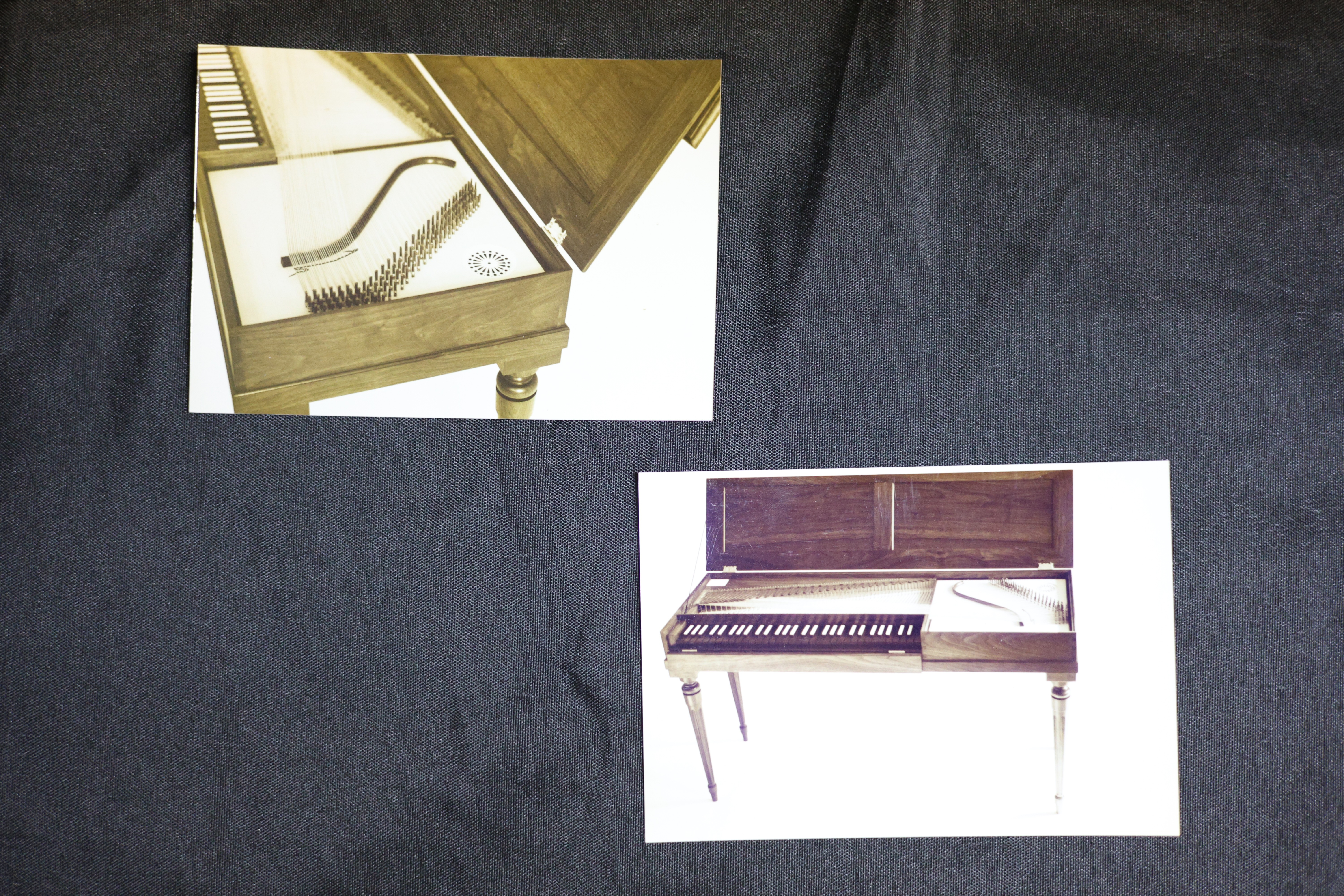
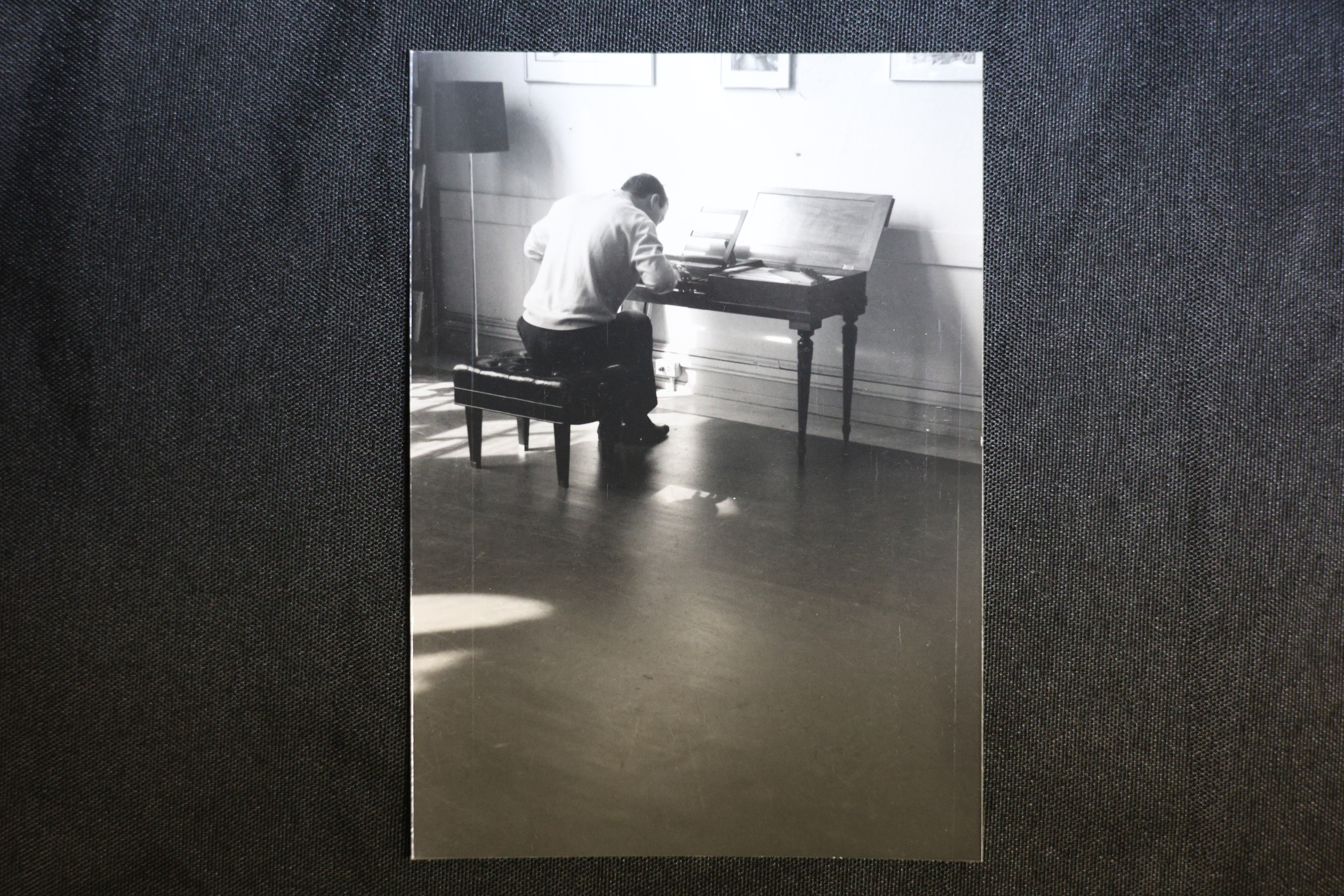
At the other end of the keyboard spectrum that year, we made a rather different unfretted clavichord than the one Chris Hogwood had ordered. It went straight to France for its owner, the Brazilian harpsichordist Ilton Wjuniski, who was able to play it first in the firehouse.
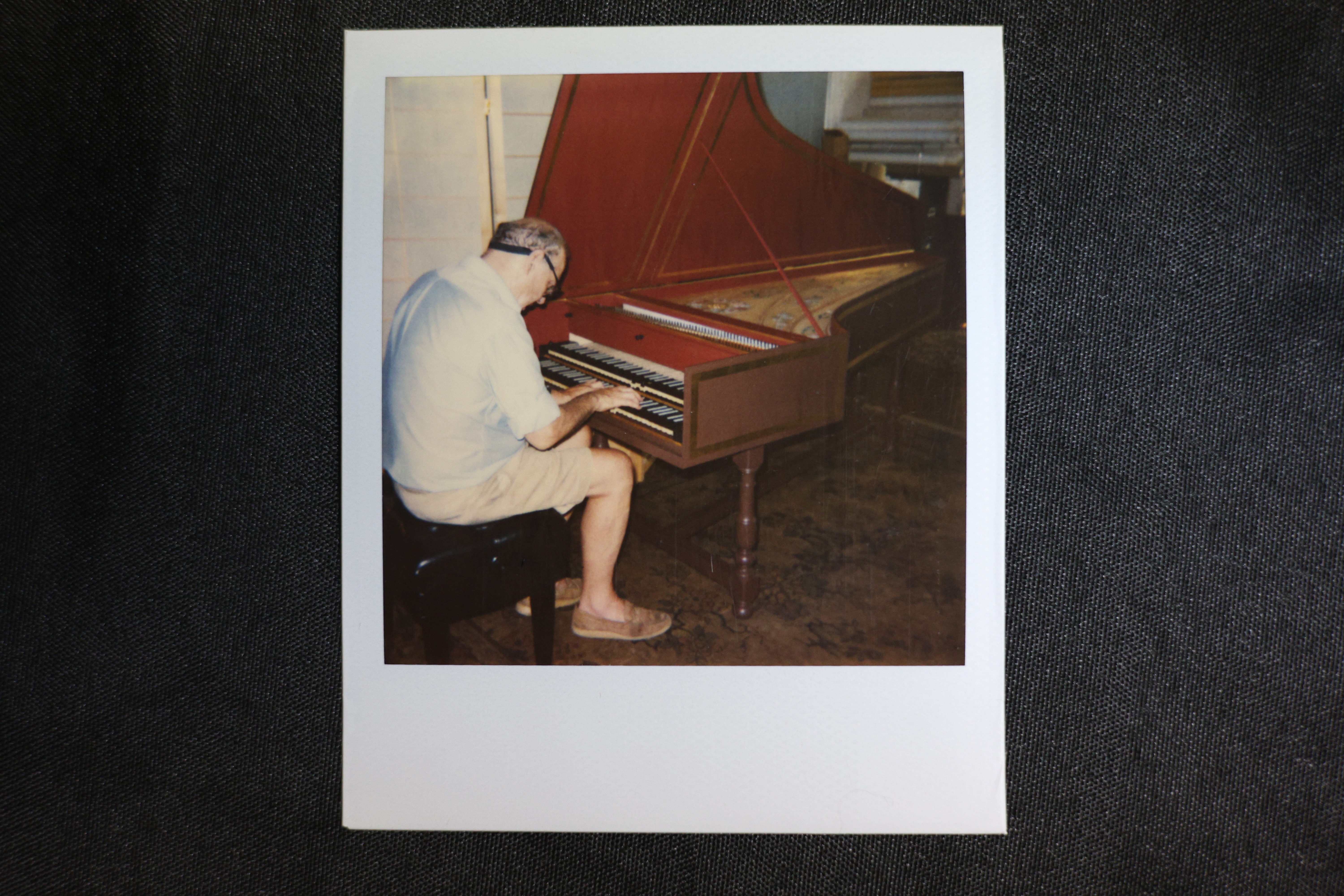
And Bill was able to try out the first instrument from his former waiting list.

