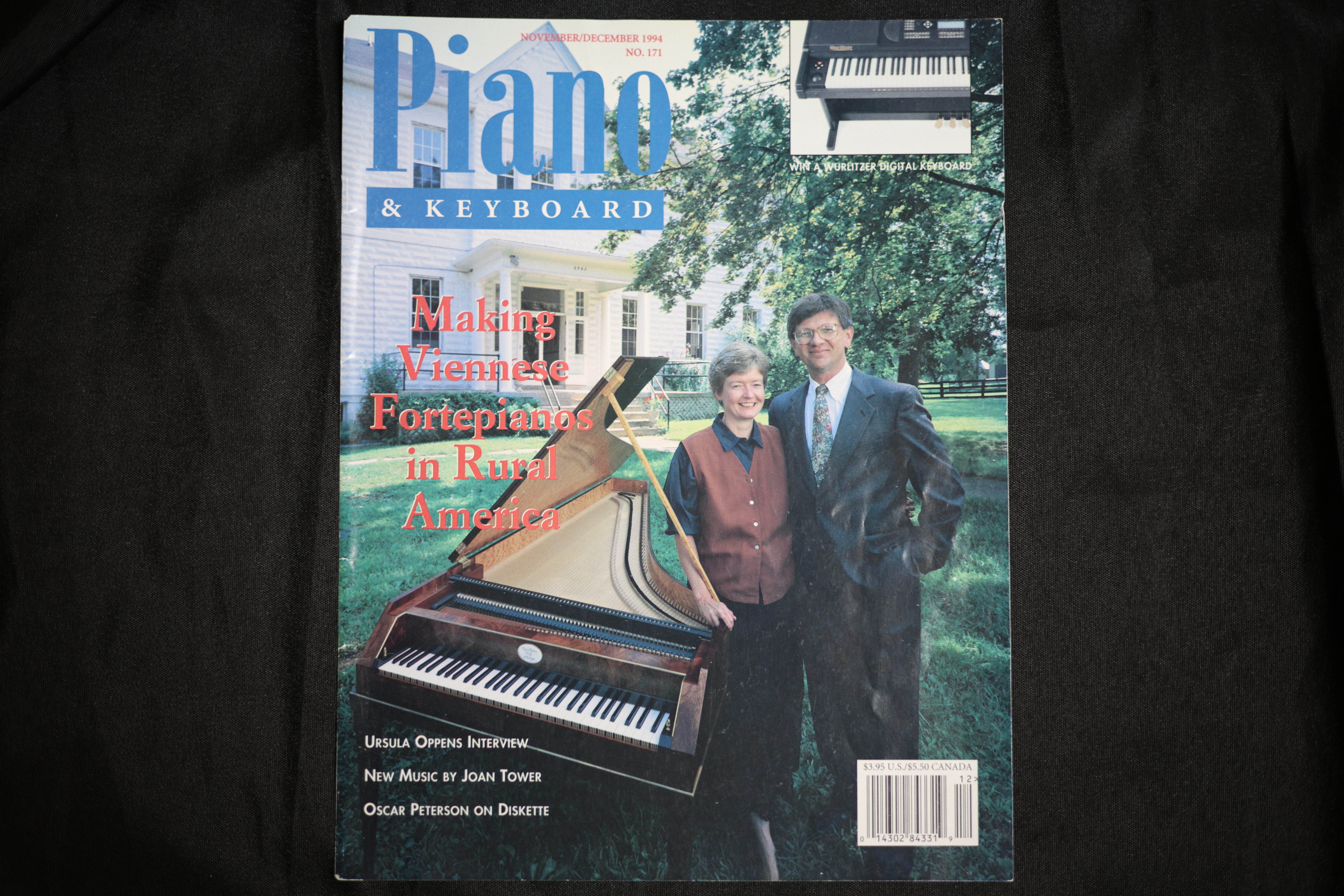
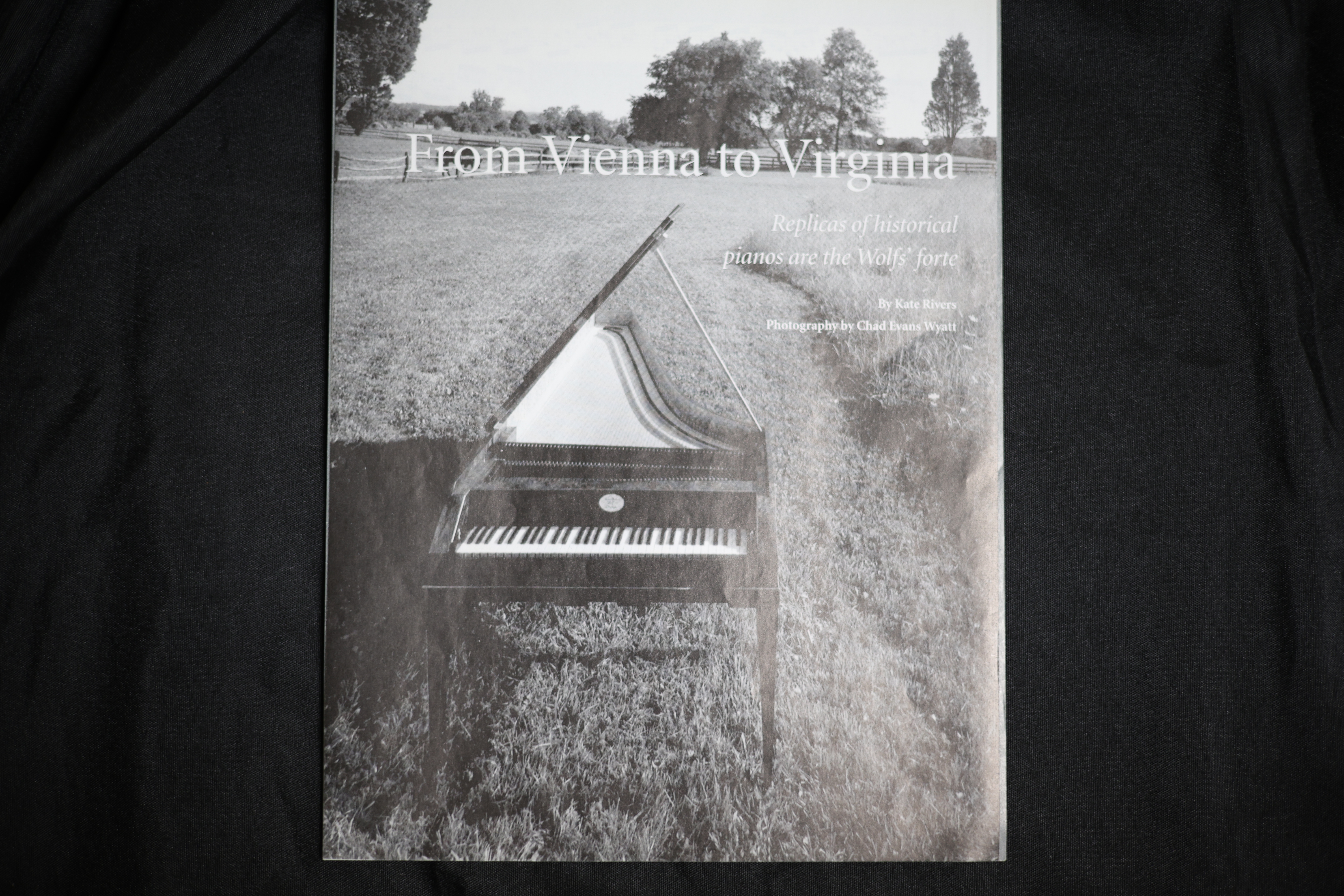
After producing at least twenty fortepianos of four different designs in less than five years, the shop was attracting attention in the larger keyboard world. A well-written cover story in the national publication Piano and Keyboard magazine was a feather in our cap, and showed off the renovated schoolhouse to good effect. But it was a major effort moving that piano all over the yard for the photographer on a very hot day.
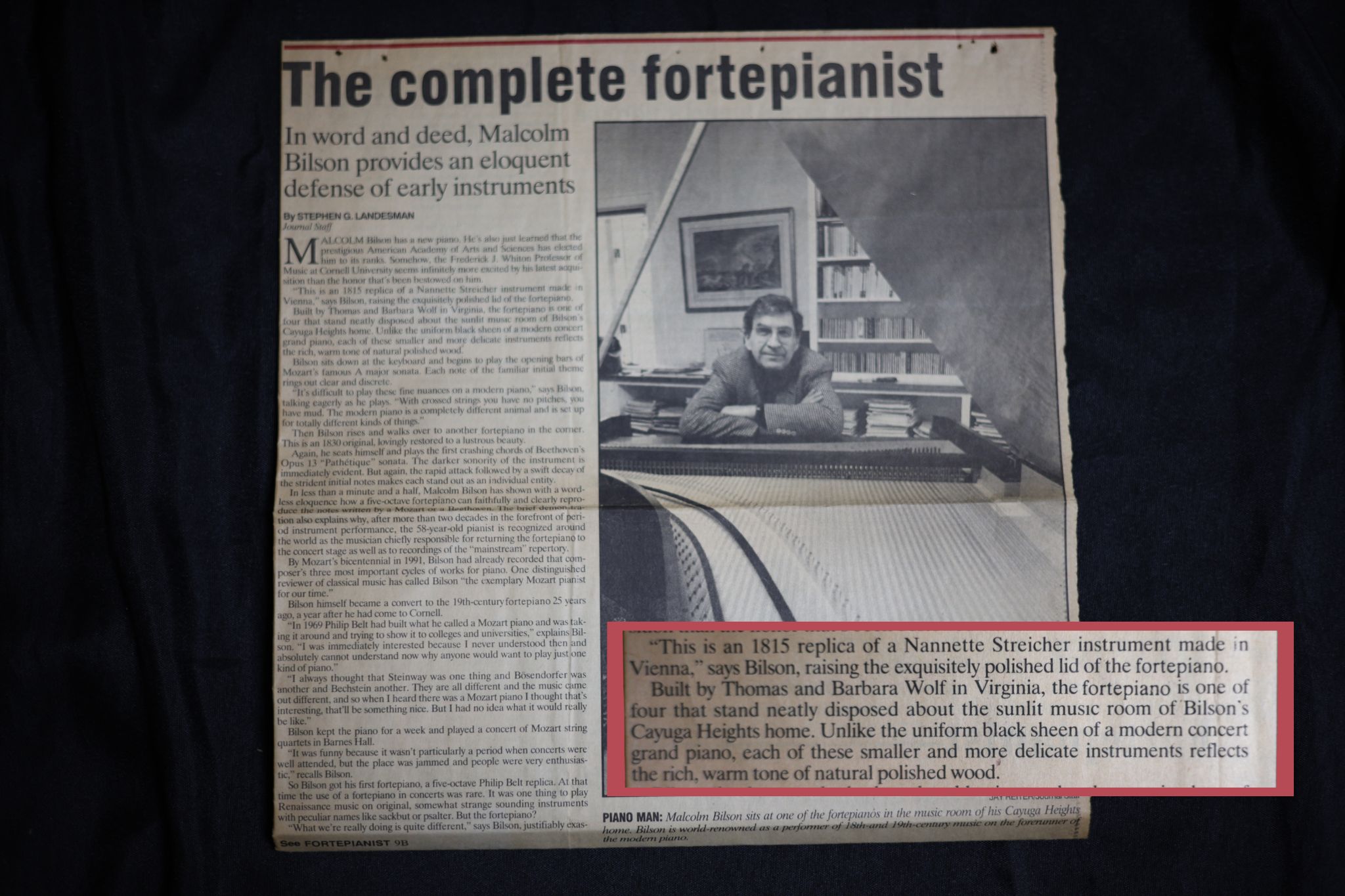
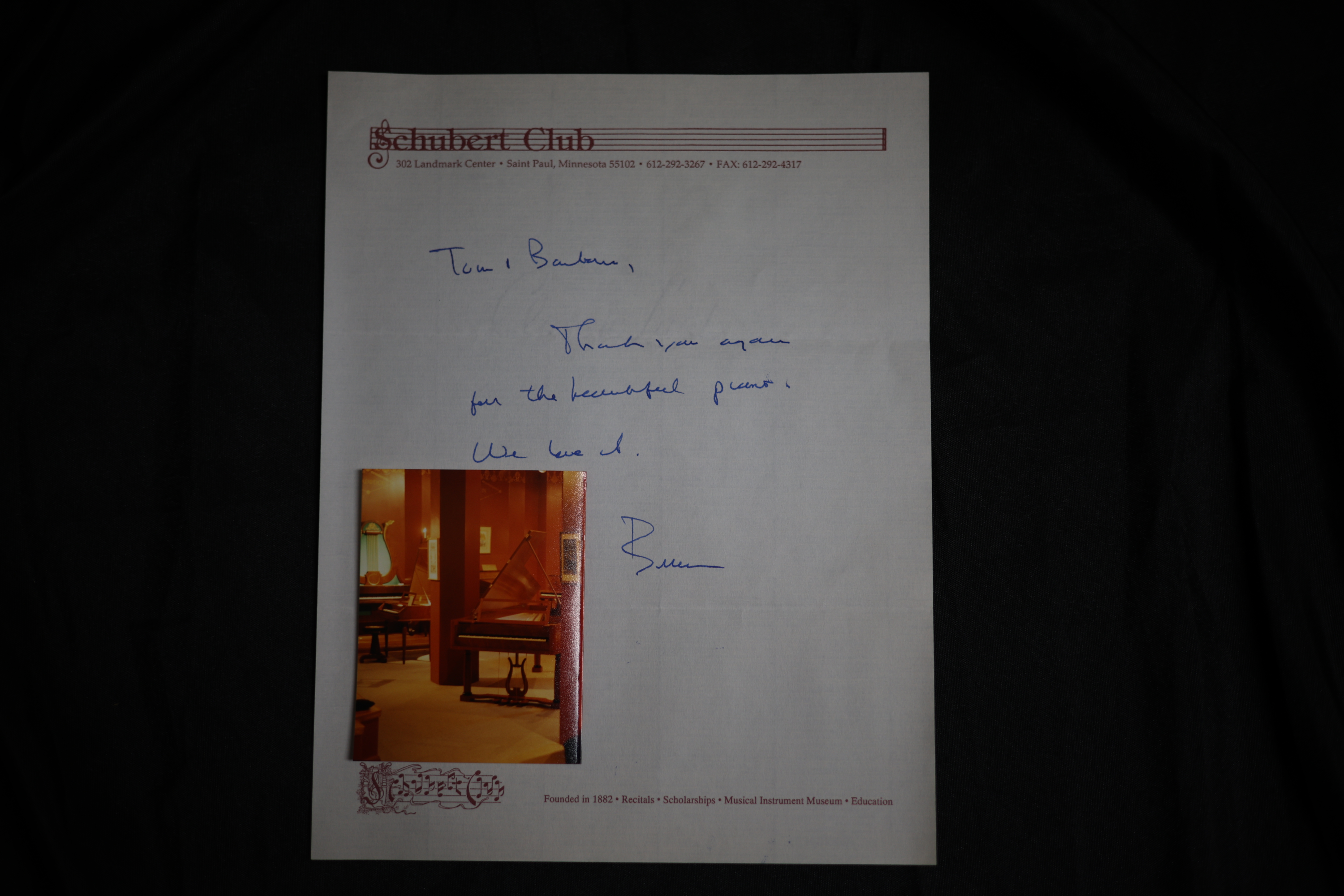
And we were back into six-octave piano territory with a major SchubertJahr looming in the late ‘90s. Malcolm Bilson, an international leader in the fortepiano movement as a player, scholar, and teacher (at Cornell University), already had one of our Schantzes. He had a 6-octave piano from another maker, but sold it to get one of ours. We made two, one for him and one for the Schubert Club in St. Paul, Minn., which was enlarging its significant collection of pianos with reproductions of earlier instruments. The director sent a note of appreciation after its arrival.
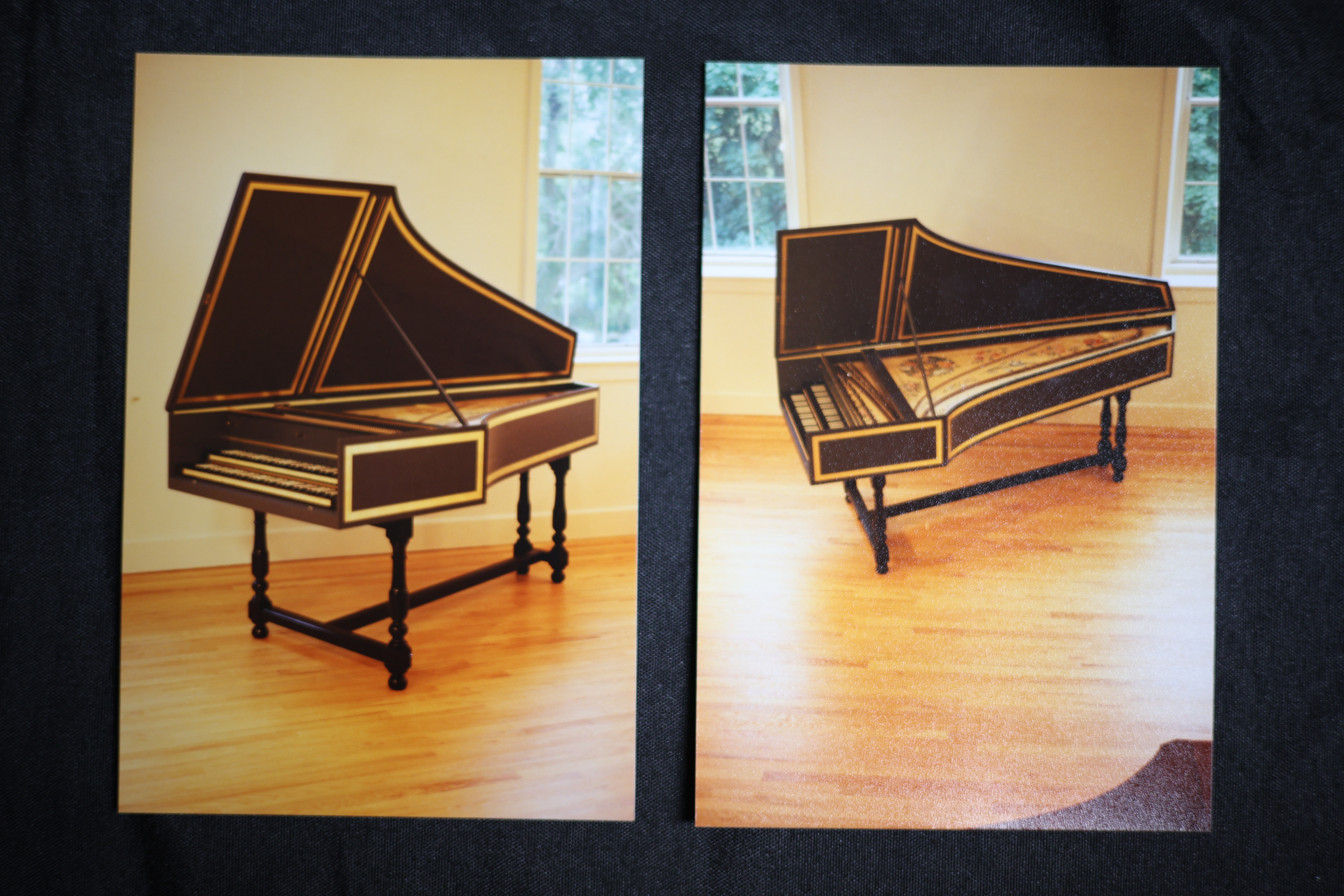
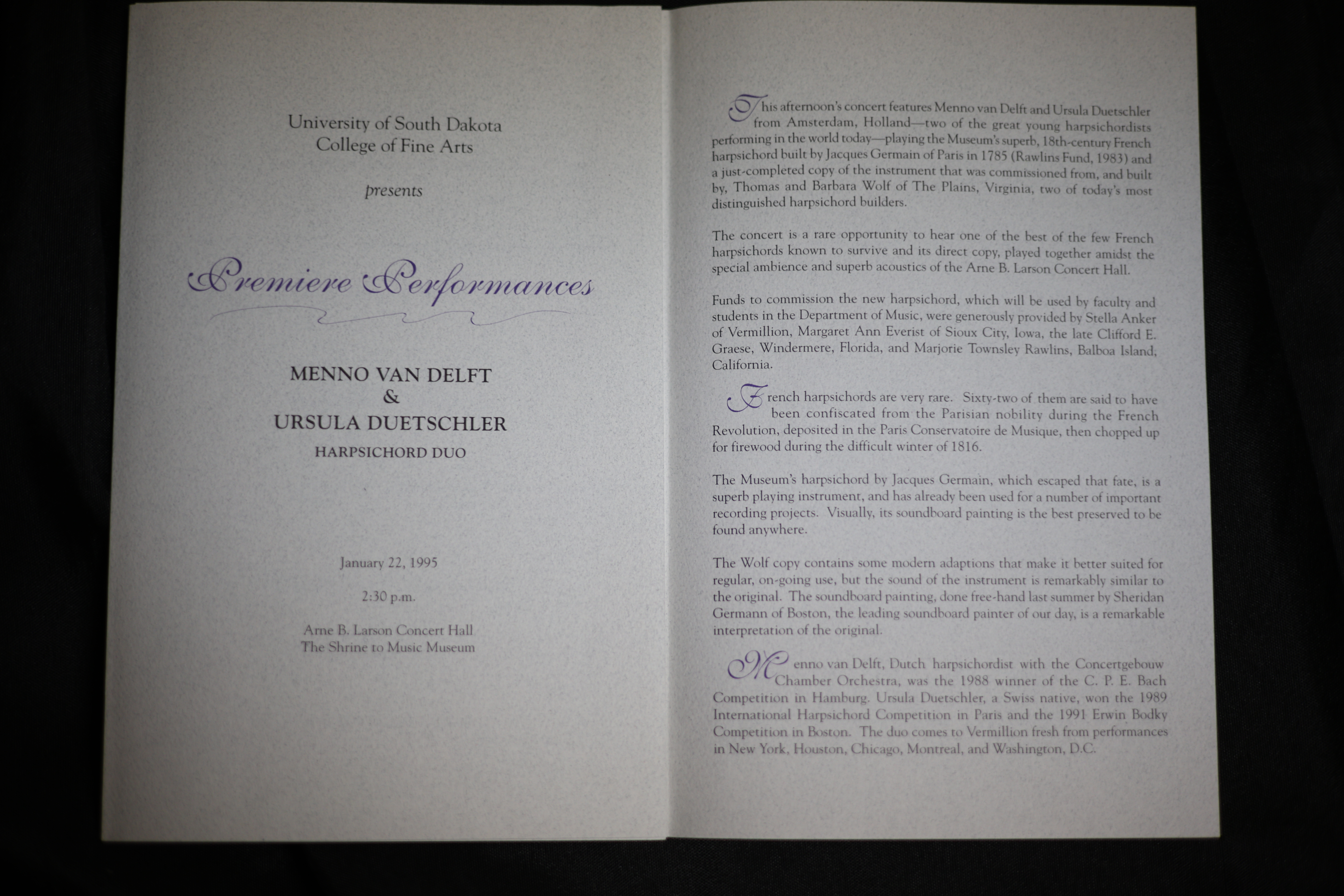
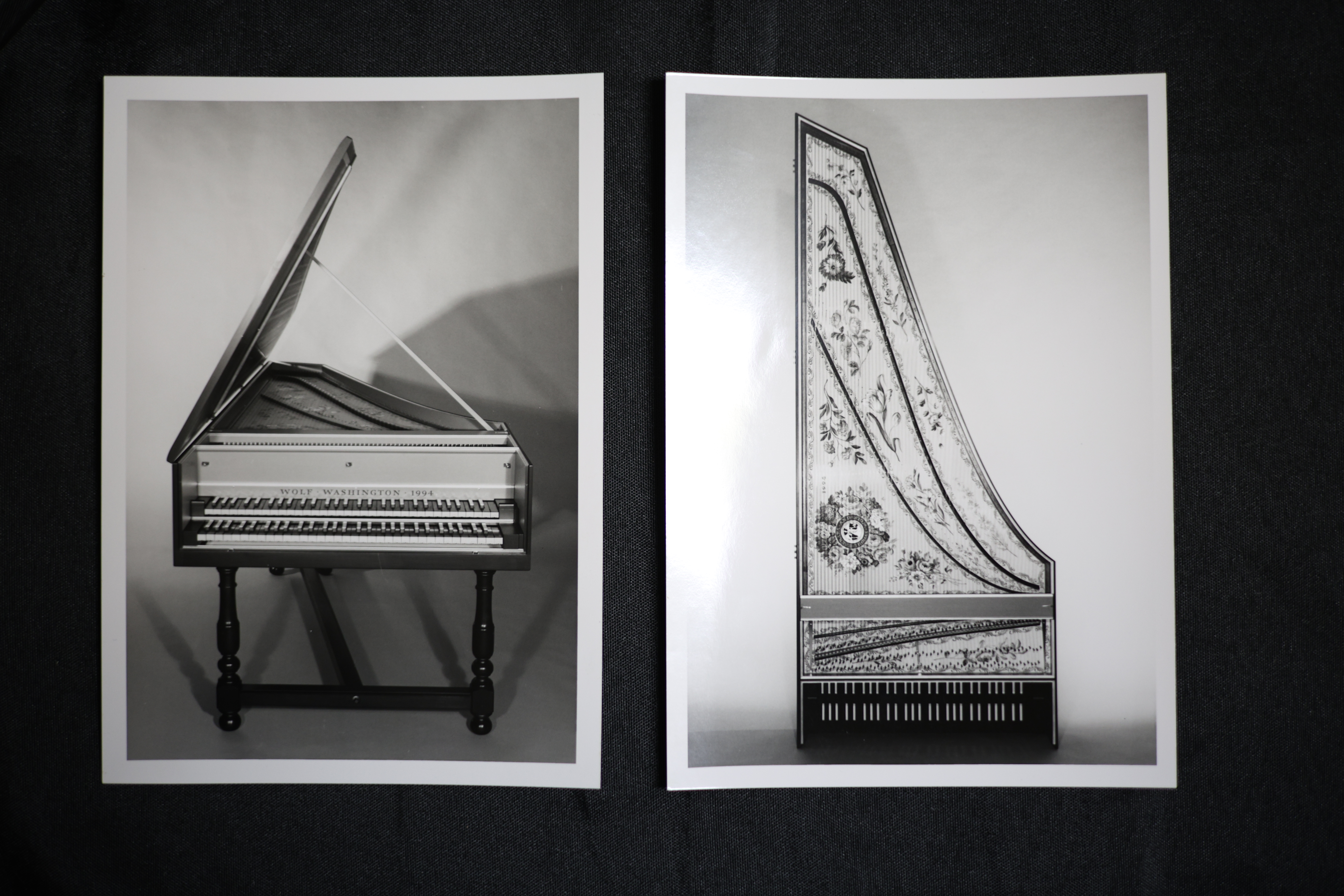
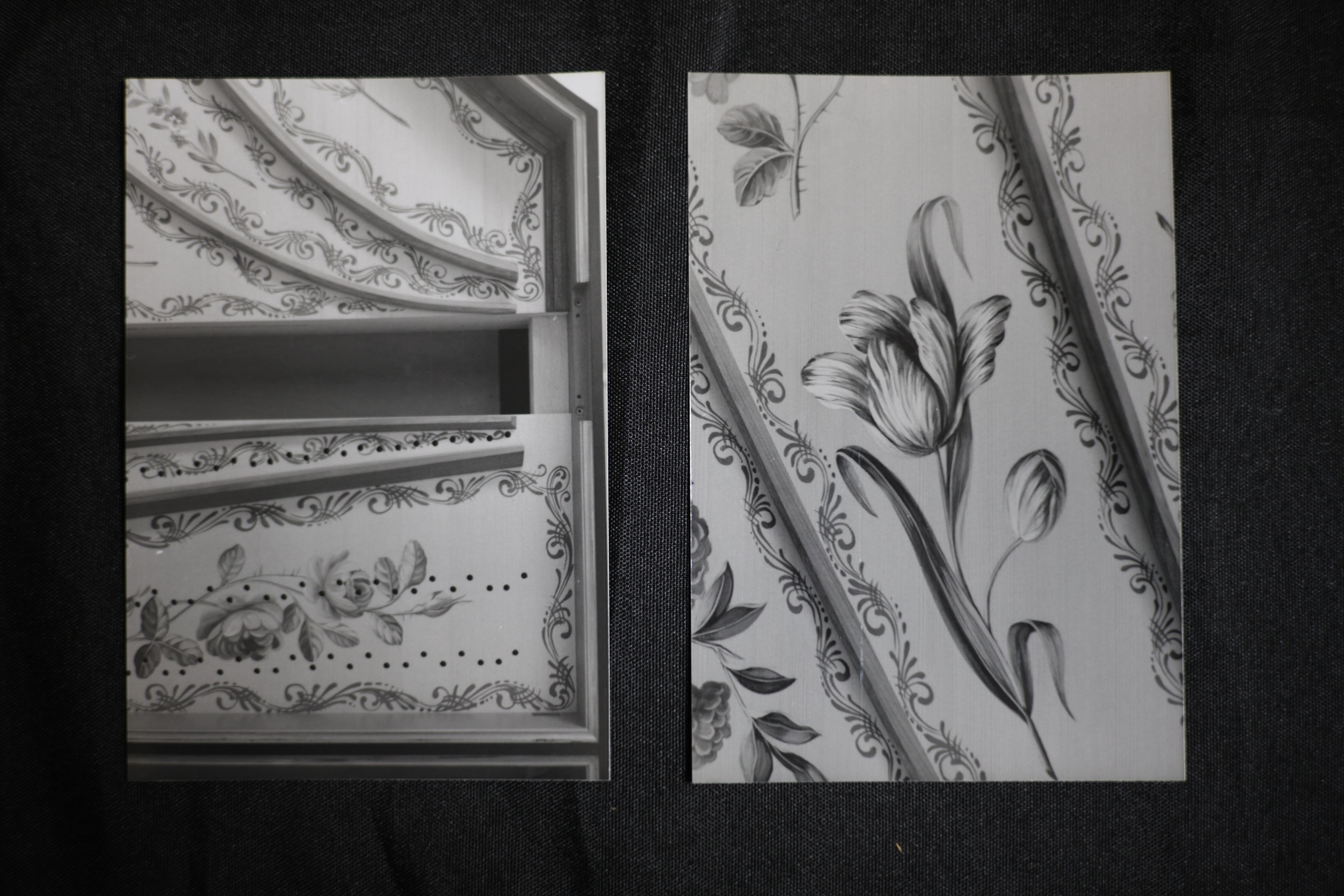
This was also the year we finally got to make the first harpsichords based on “our” old Germain, now at the National Music Museum. Happily, one of the orders was from the NMM, which needed a non-antique all-purpose instrument they could move around and use in less controlled environments. The exterior was the traditional black and vermilion combination (the NMM is in Vermillion, SD!), but Sheridan Germann did a spectacular replica of the soundboard painting, with its extravagant border flourishes. A wonderful pair of young Dutch players gave
the inaugural concert using both the original Germain and ours in a program of duo pieces. A second Germain looked rather different but also got the gorgeous soundboard treatment.
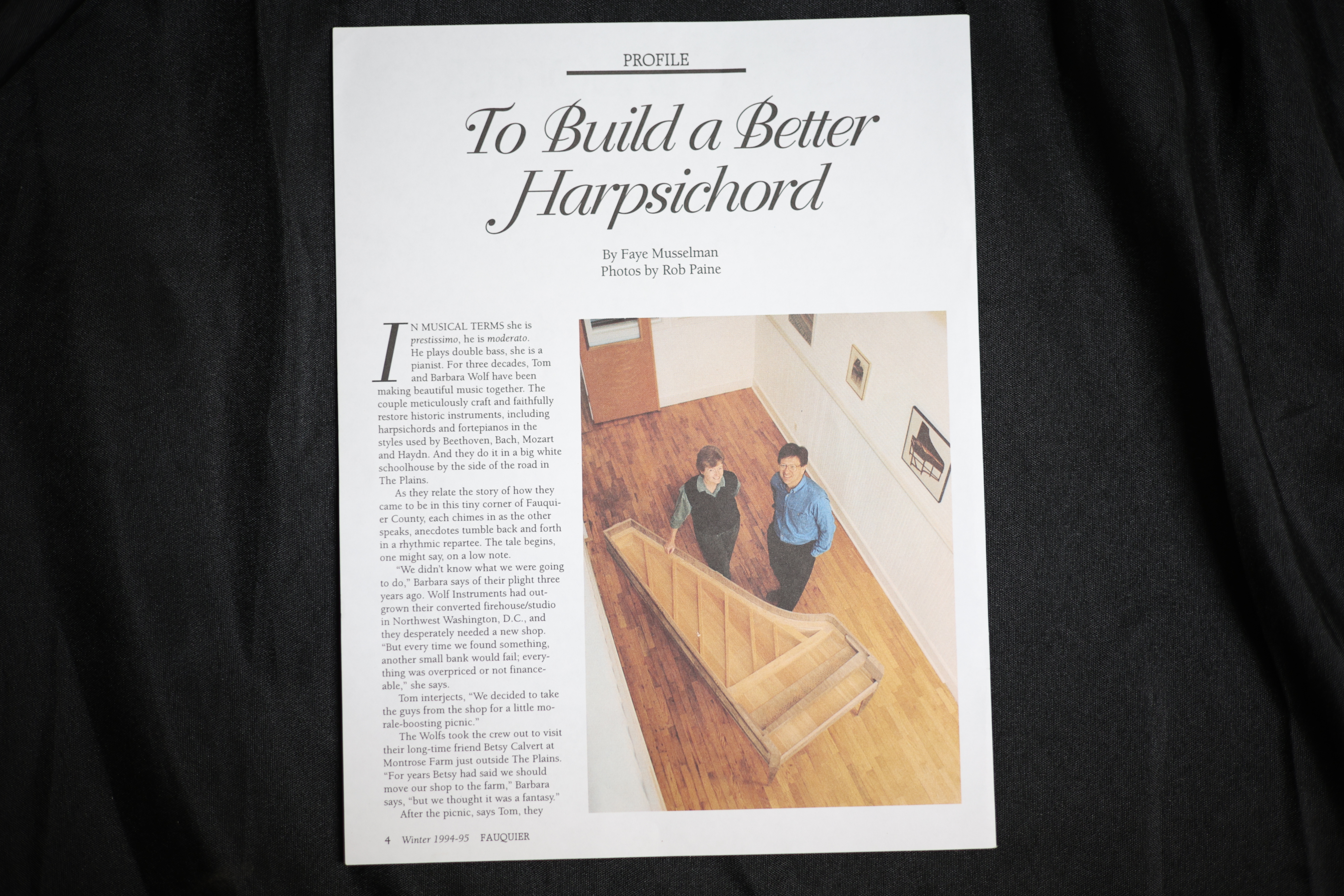
Back in The Plains, the local press was still discovering the new business in their area. A county magazine did a lengthy article with many good photos, introducing us more directly to Virginia.

