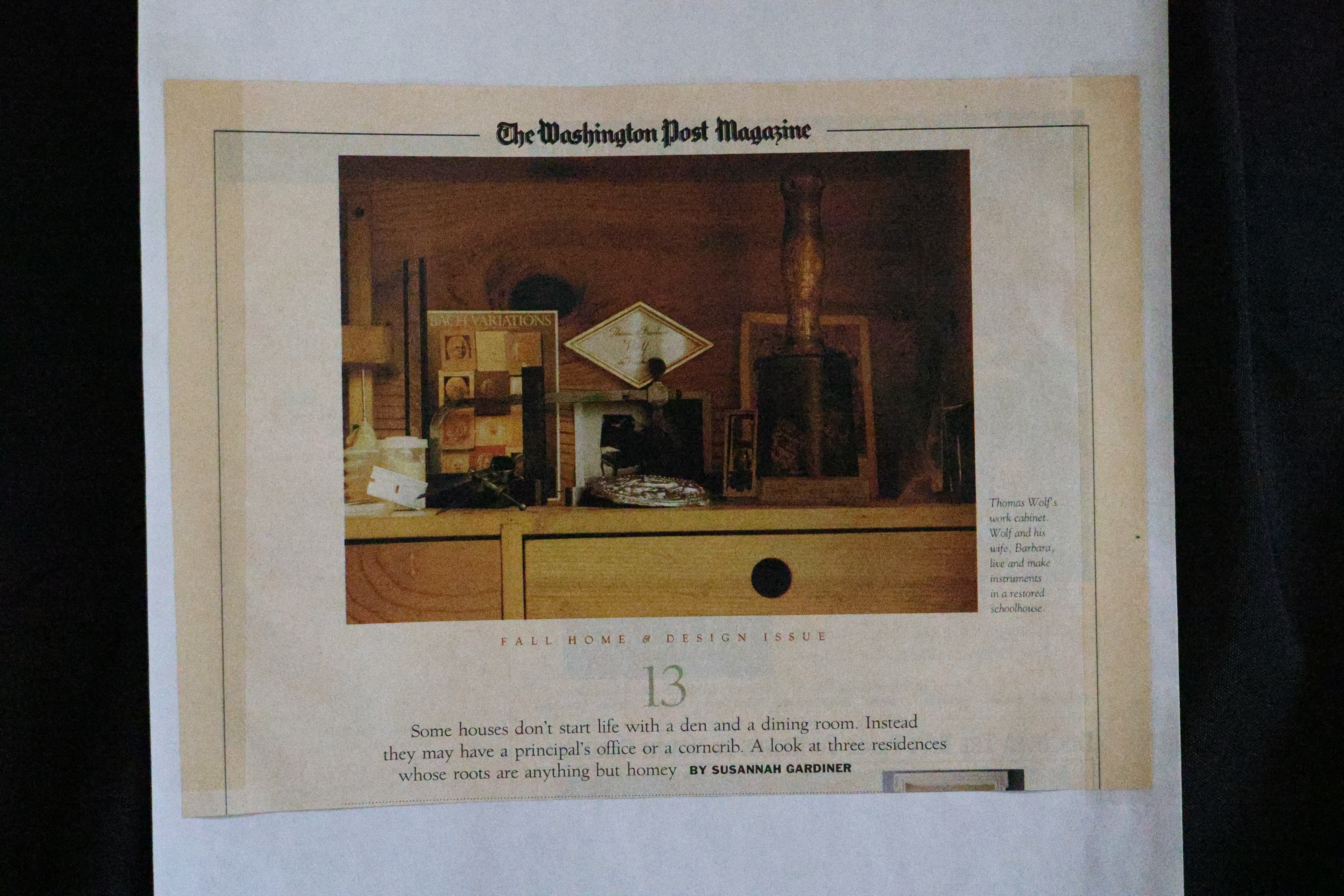
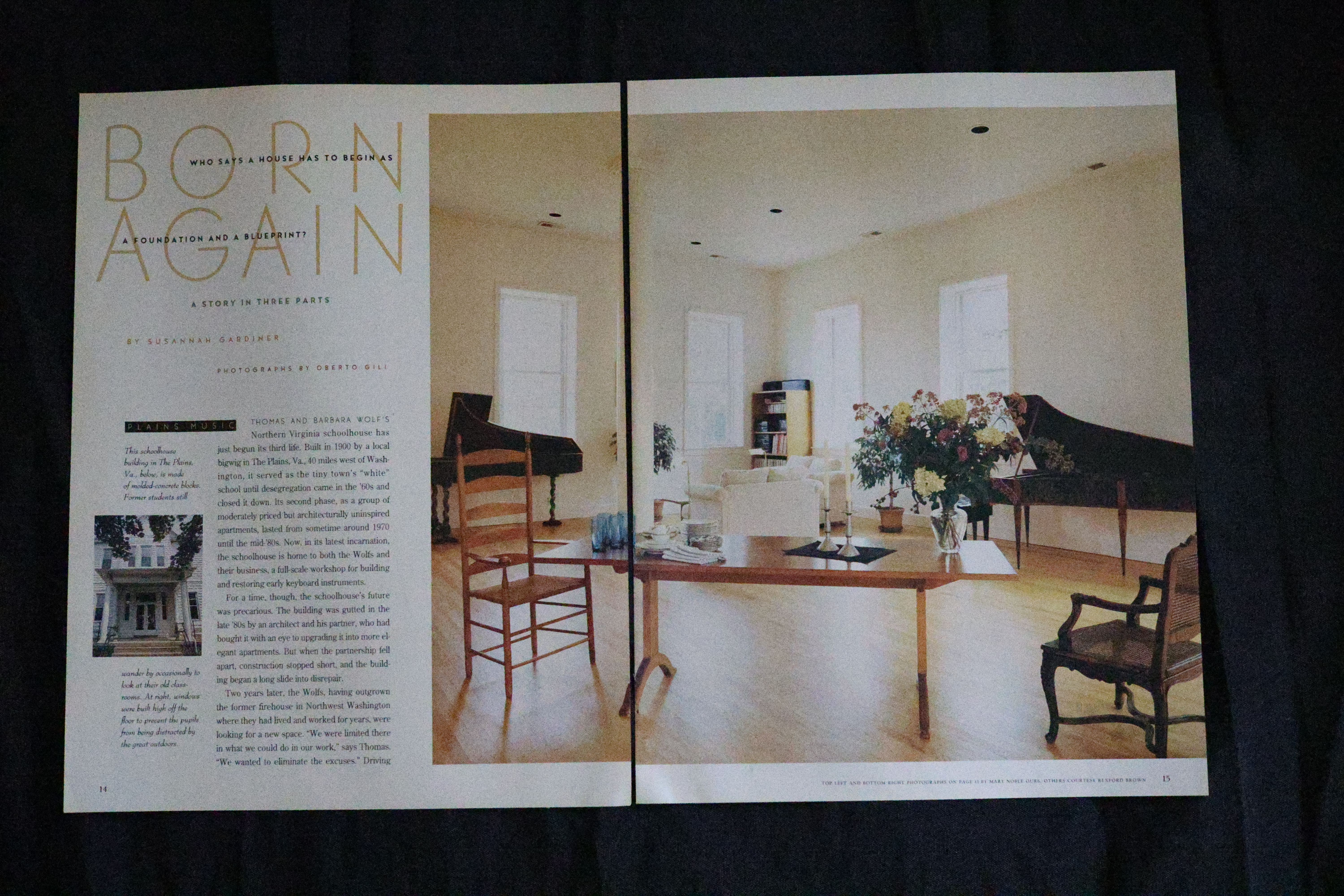
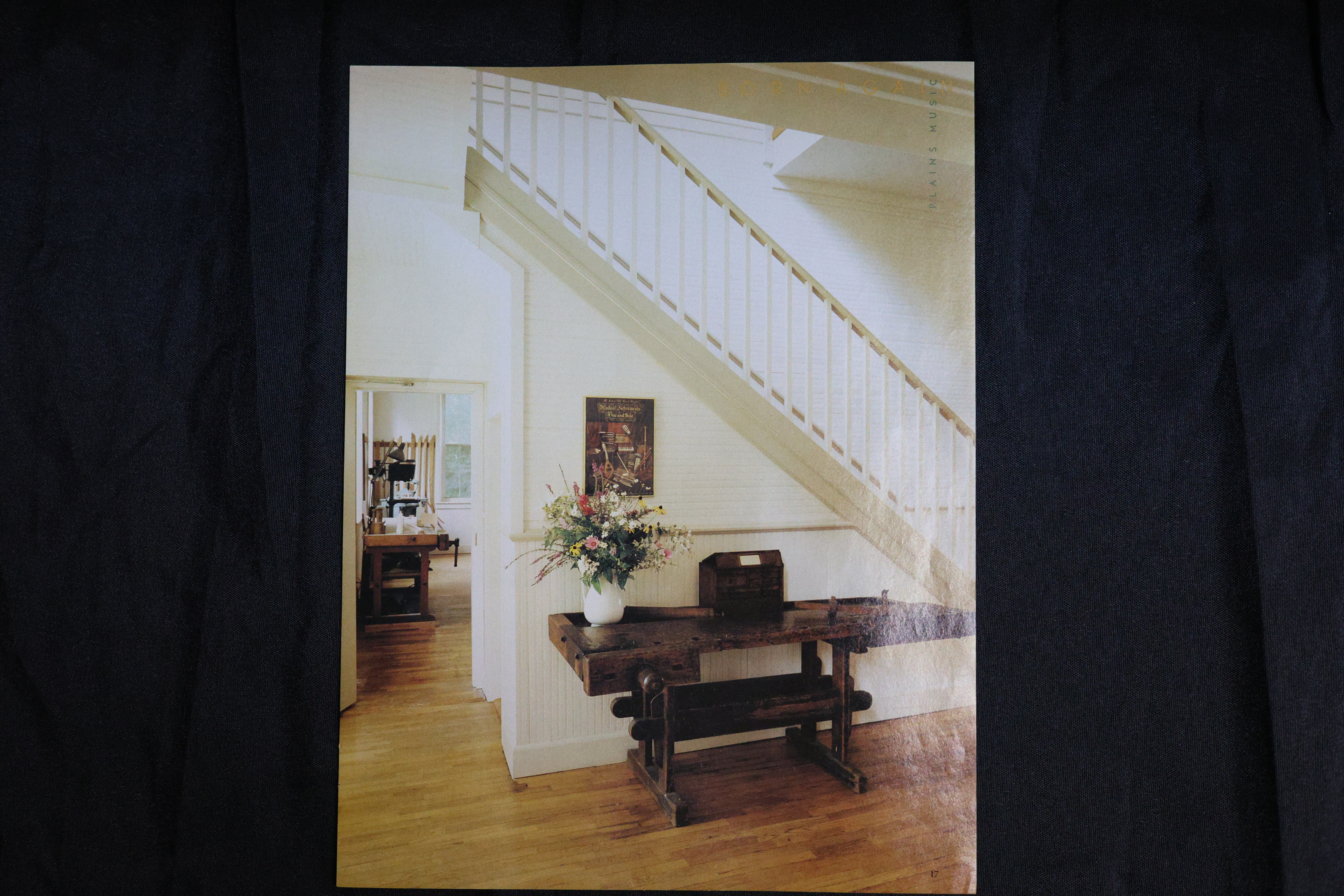
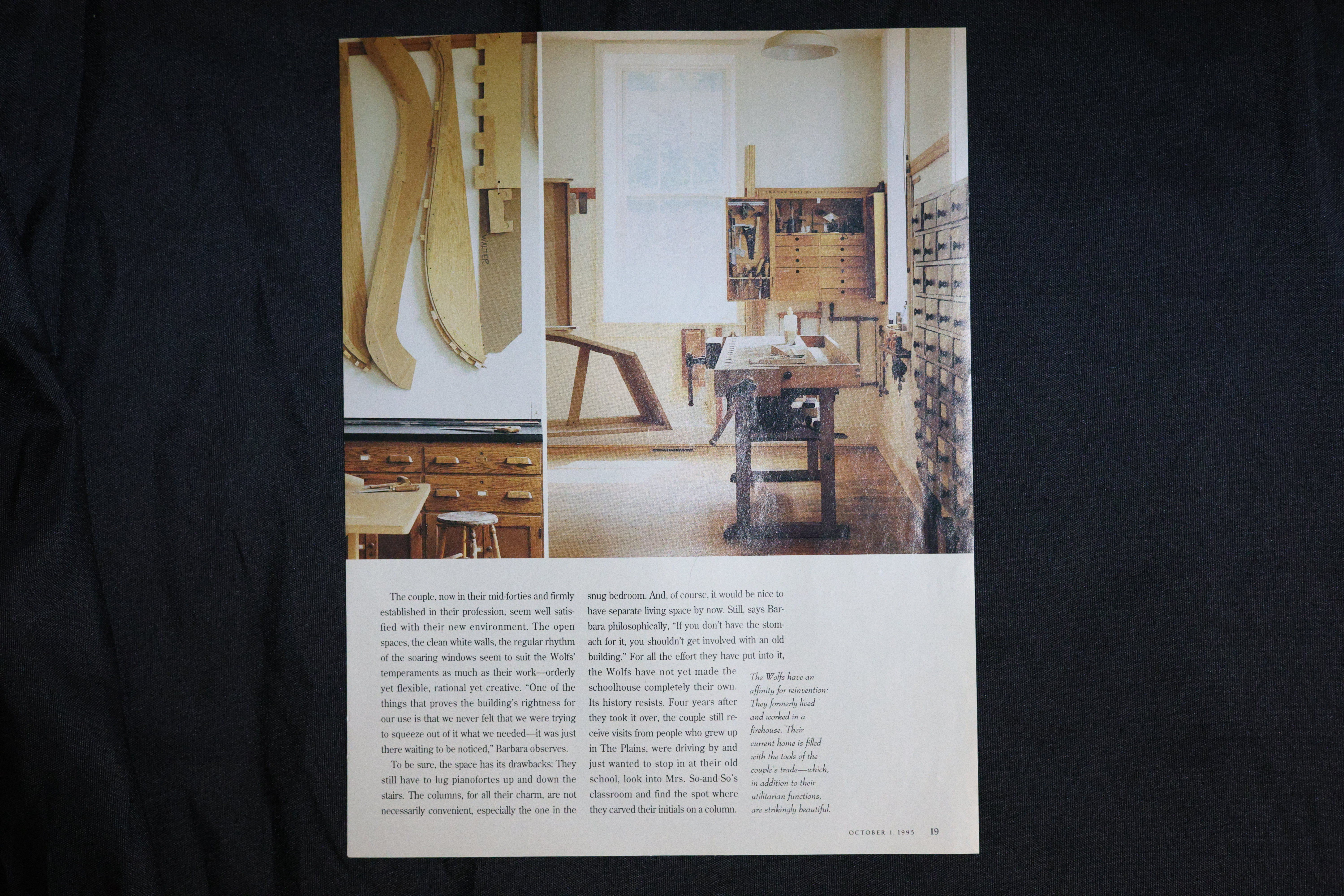
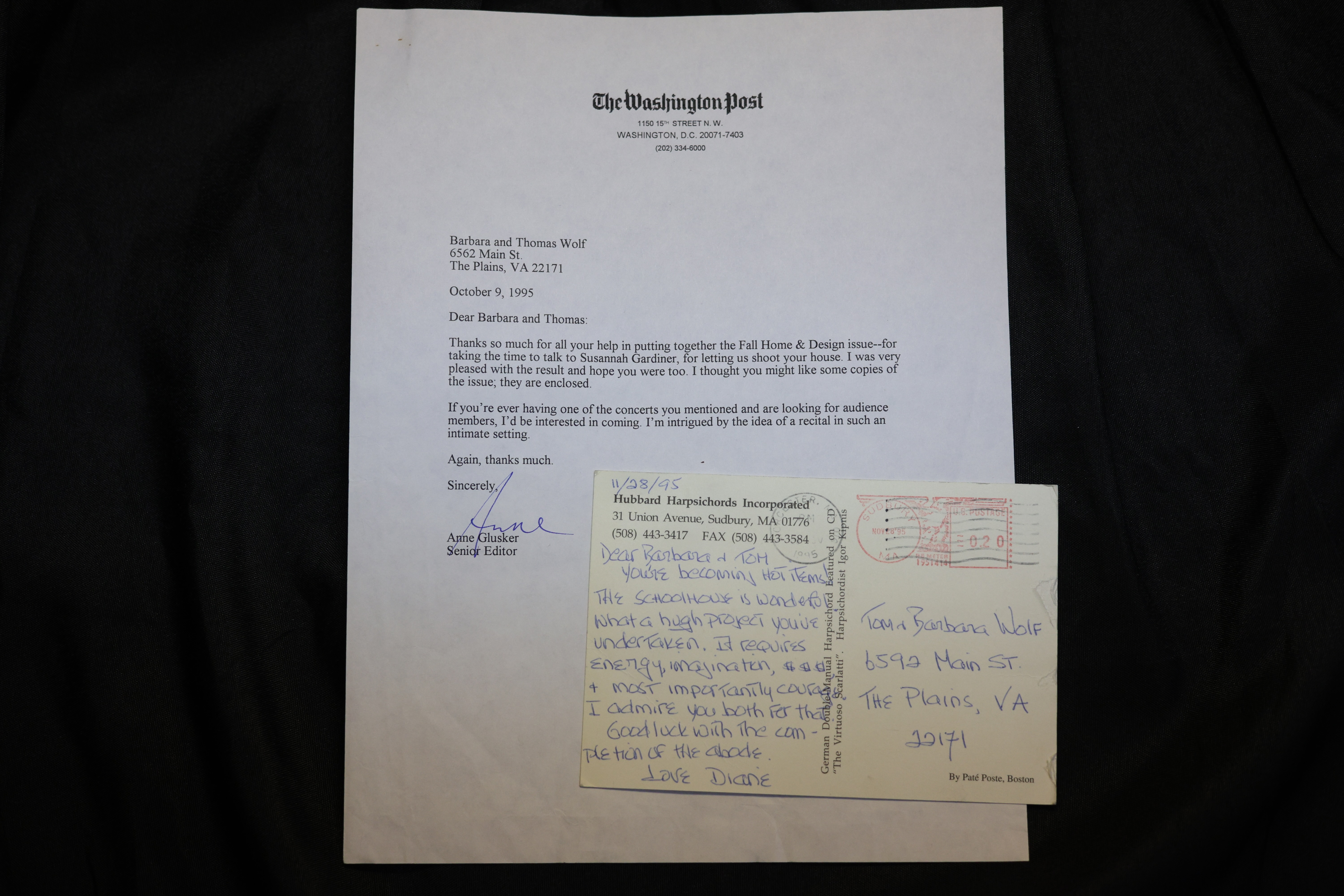
It took a while for the Washington Post to catch up with our move to The Plains, but when they did, it was in a big way. The Schoolhouse was featured in the 1995 annual Home & Design issue of their (then upscale) Sunday magazine. A well-written article illustrated with excellent photos by a specialized Italian photographer, staged by Post staffers bearing buckets of glorious flowers, brought us attention from an audience beyond the musical community.
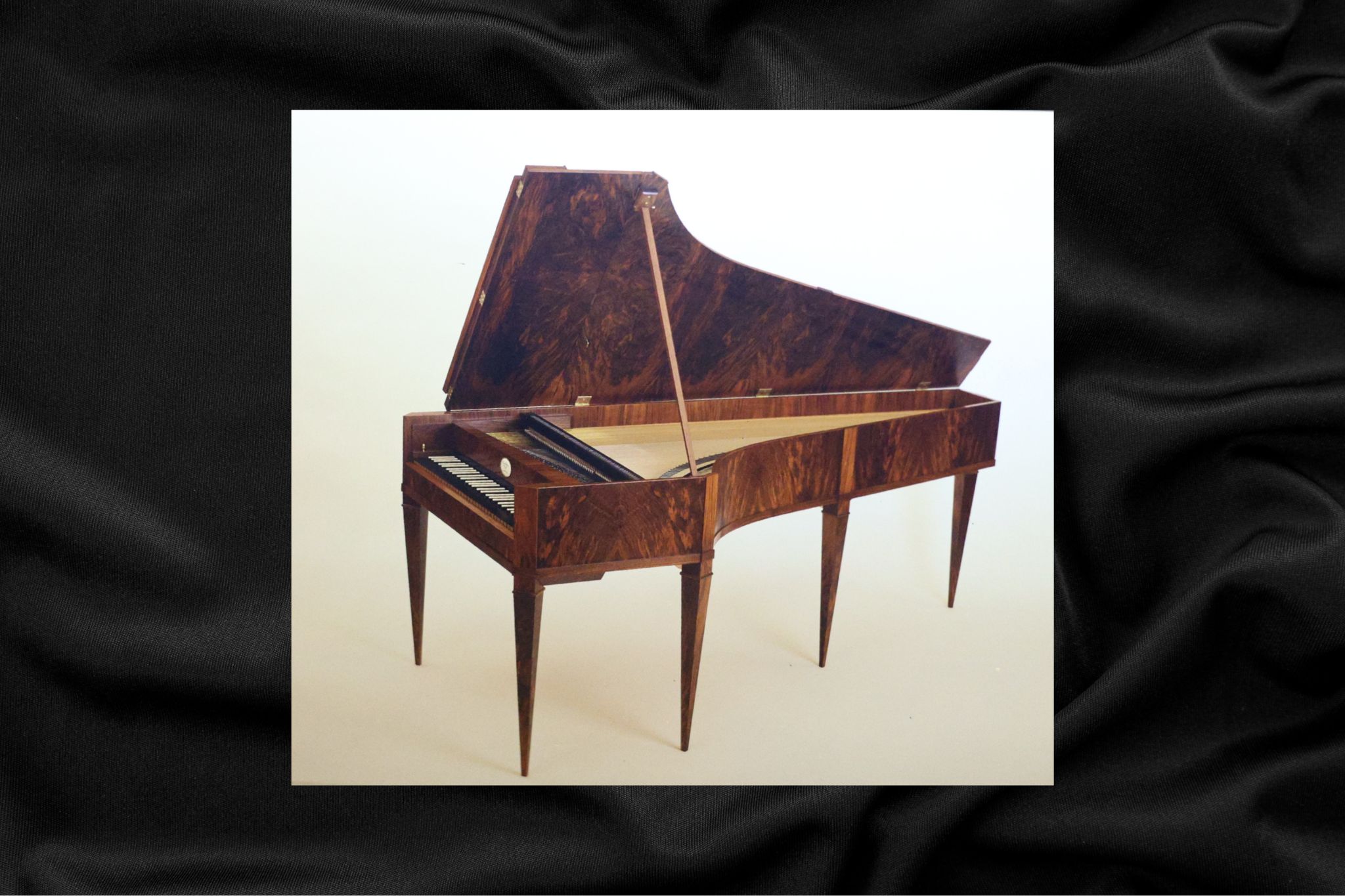
Some of the photos included here show why we felt we’d never have to take another picture of the place! The fortepiano in the big music room view was a new Schantz spectacularly veneered in stump walnut that merited its own fancy photo. Afterwards, a senior editor at the Post wrote to say how happy they were with the results. Best of all, after a copy of the issue reached our old shop of Hubbard Harpsichords near Boston, we received a postcard from Diane Hubbard, the widow of our master, Frank Hubbard. She offered such kind compliments with her usual warmth that we were thrilled.
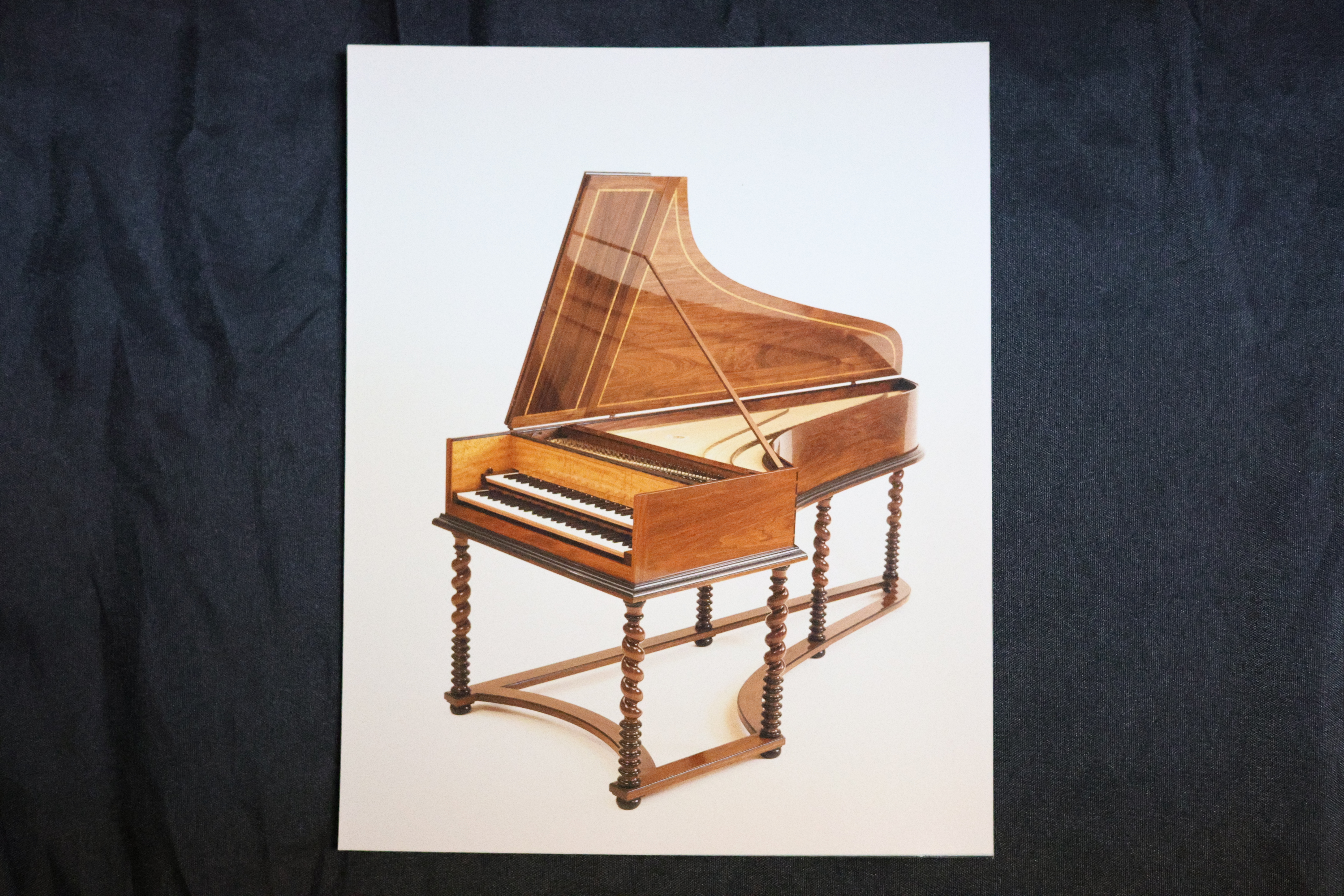
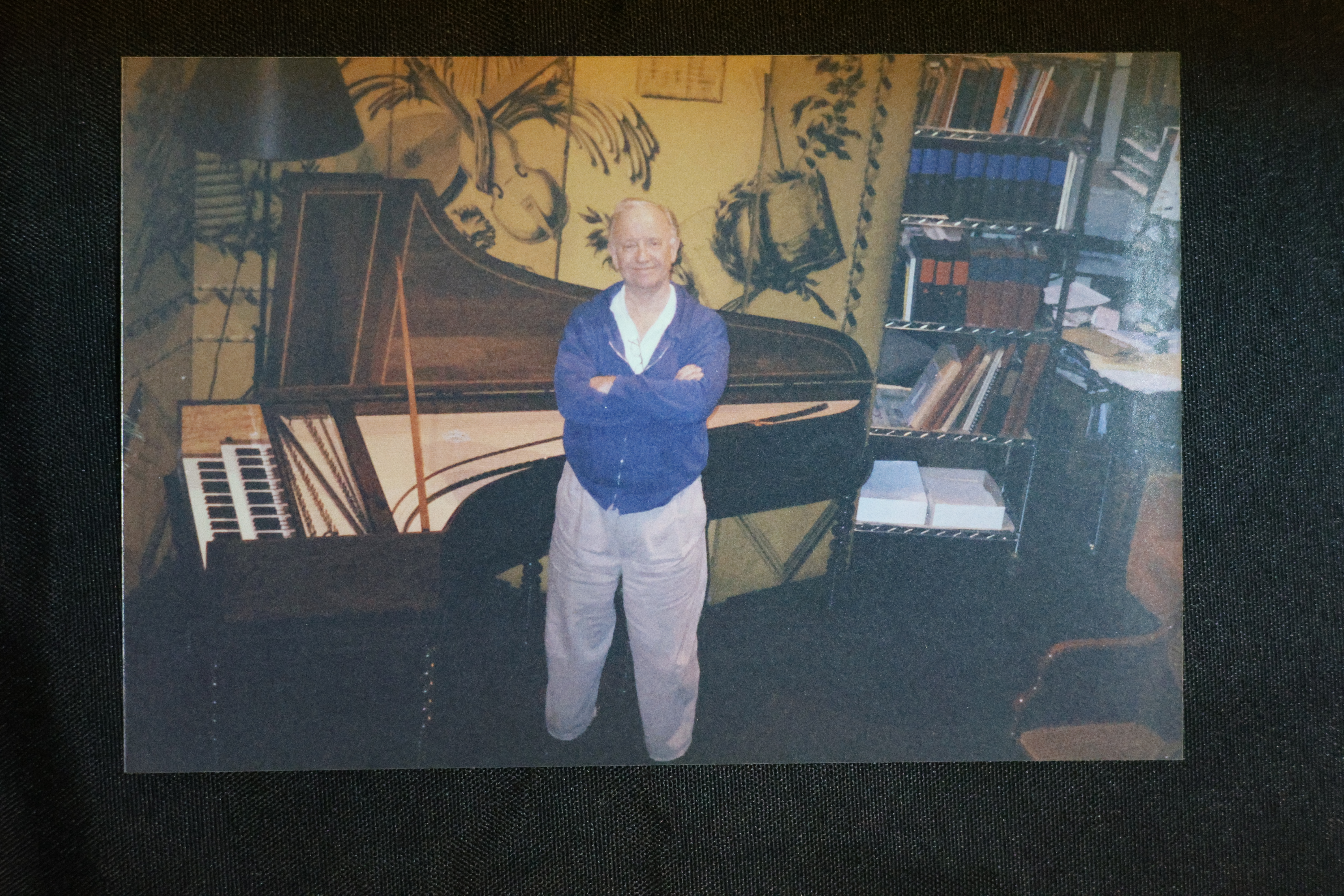
Another spectacular, and most significant, instrument to emerge from the shop that year was a German double for Albert Fuller. It was his LAST harpsichord, after the many Dowds he had ordered for himself and Juilliard (where he taught for decades). Through his students, the Aston Magna Festival and Academies, and the Helicon Foundation, his influence on generations of musicians is extensive. Having ordered one of our first Dulcken pianos in order to explore the classical repertoire, he had a late-life epiphany when introduced to our German Vater design. After seeing that Juilliard got a Vater, he ultimately sprung for one himself, indulging all his personal visual cravings this last time. Thus it was unique among all our instruments; the enormously complicated stand was actually the most historically accurate element. When we made delivery to his New York studio, he grinned up at us before clearing a space for it.

