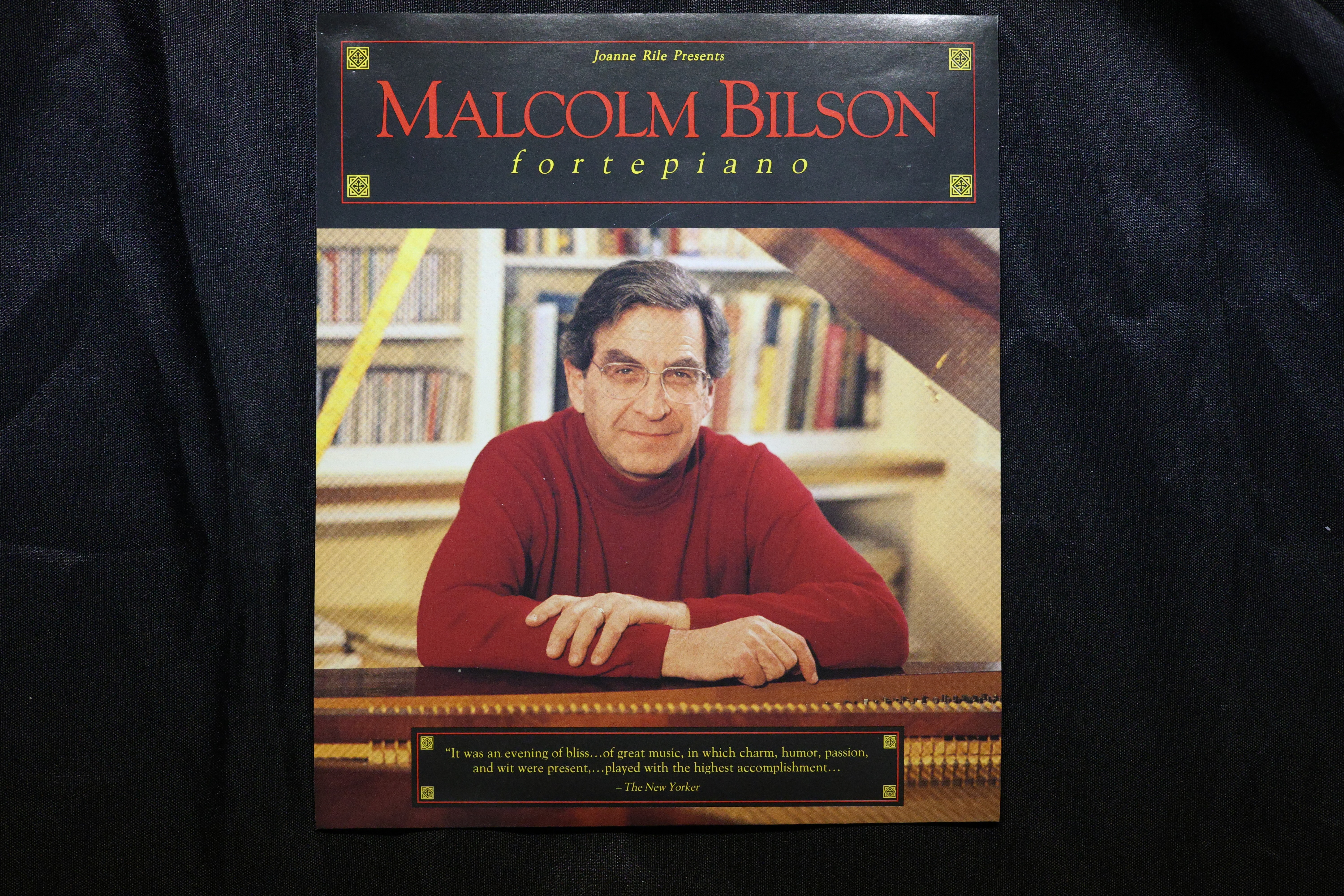
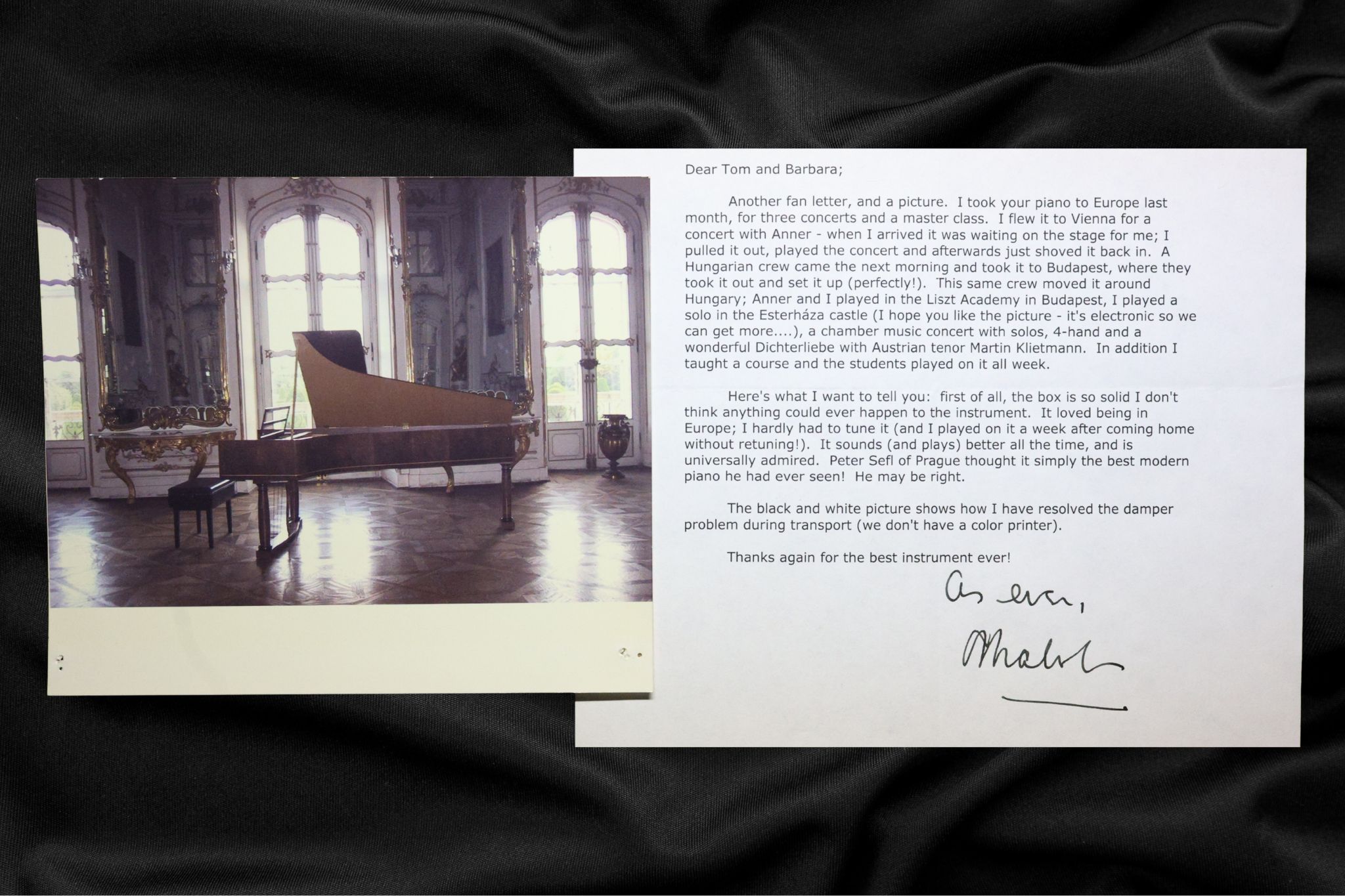
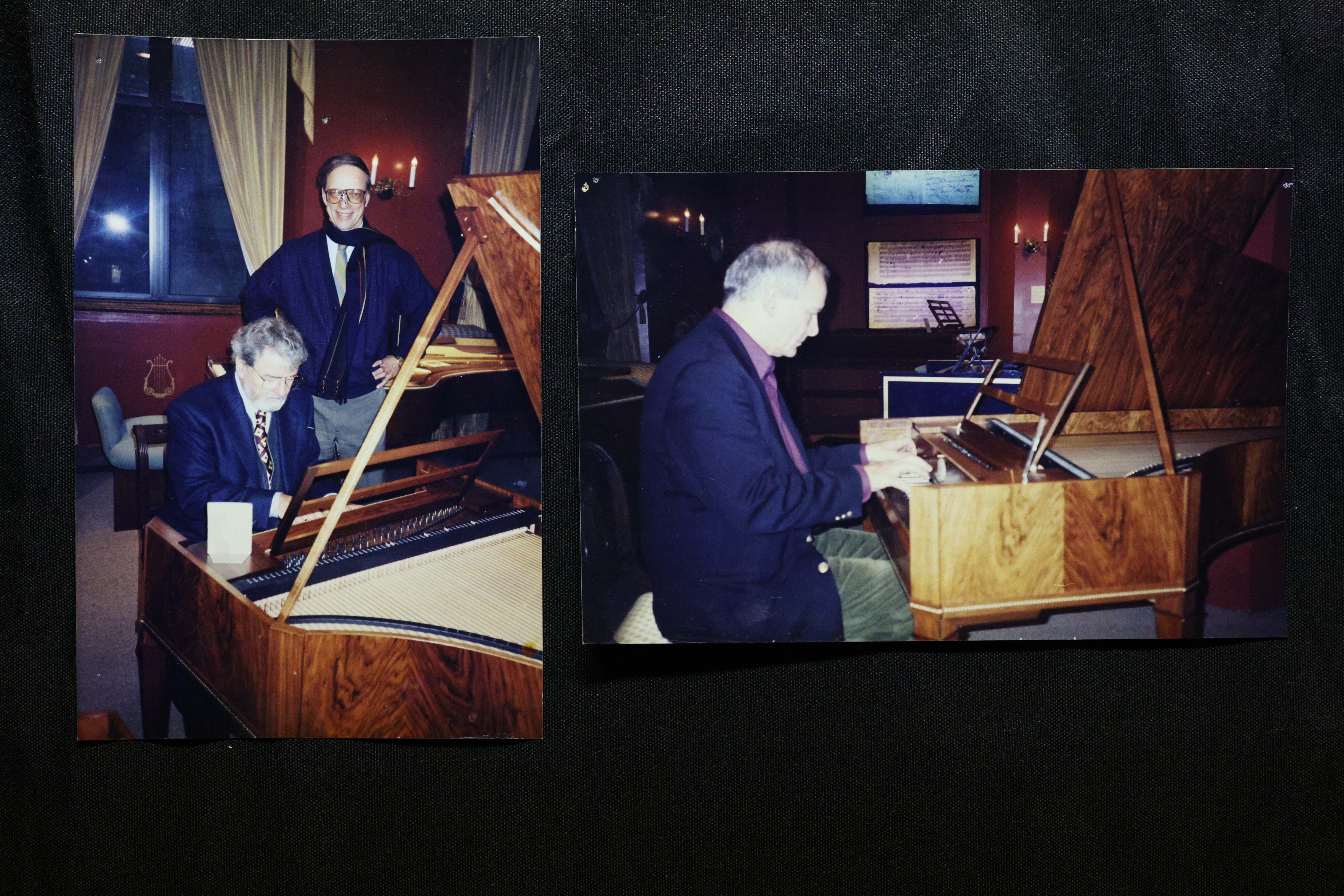
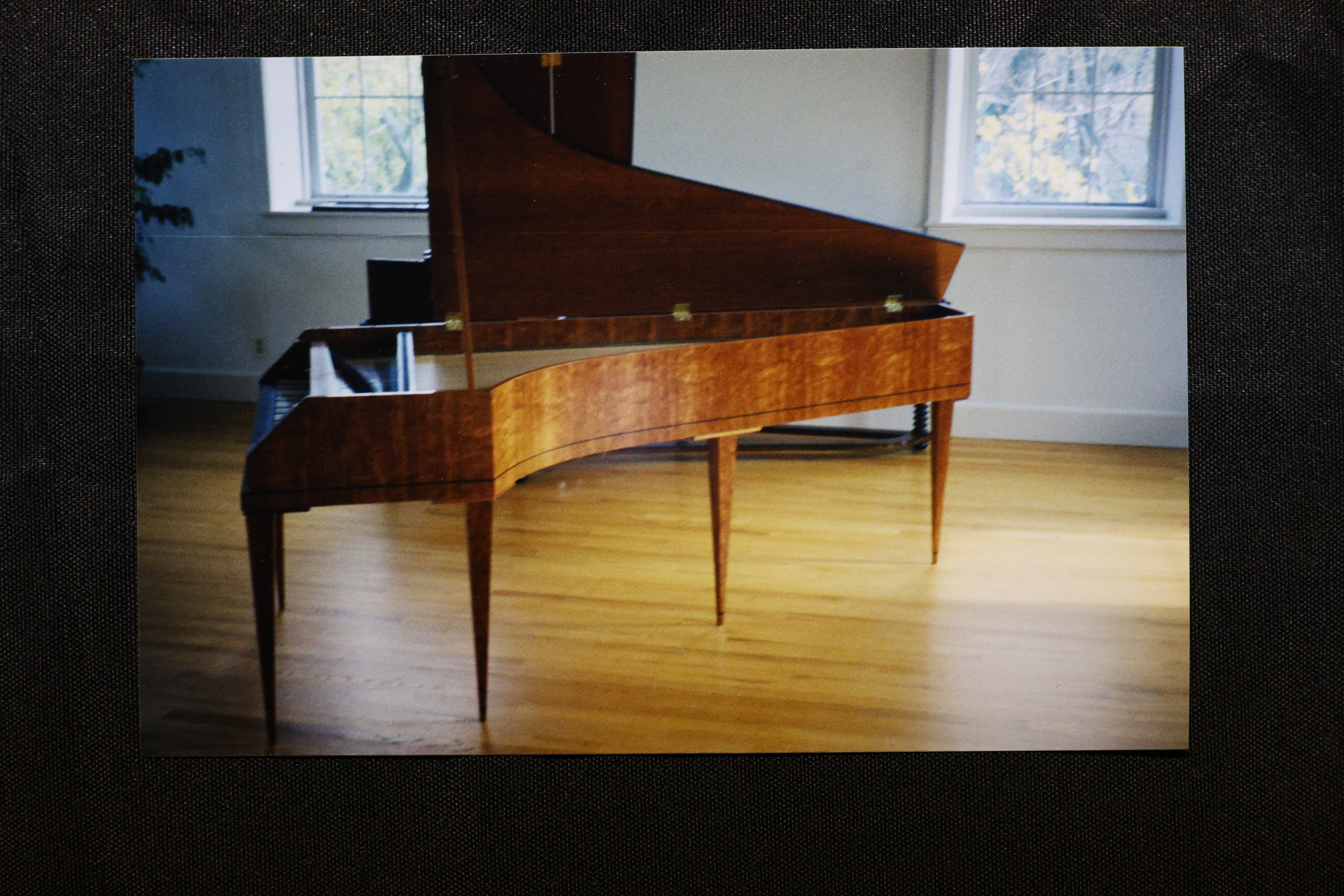
After the early piano research trip to Europe, there was some whiplash when we faced our still years-long waiting list for instruments at the other end of the fortepiano spectrum. It was the bicentennial of Schubert’s birth – longtime friend and client Malcolm Bilson had ordered another 6-octave piano to be ready. Two previous ones of a specific historical design that he’d owned, while satisfactory, didn’t have all the tonal characteristics he desired. So we undertook to make a sort of hybrid model and it hit the target! He sent a photo of it at the Esterhaza Palace near Vienna (Haydn’s territory), along with the kind of endorsement one only dreams about.
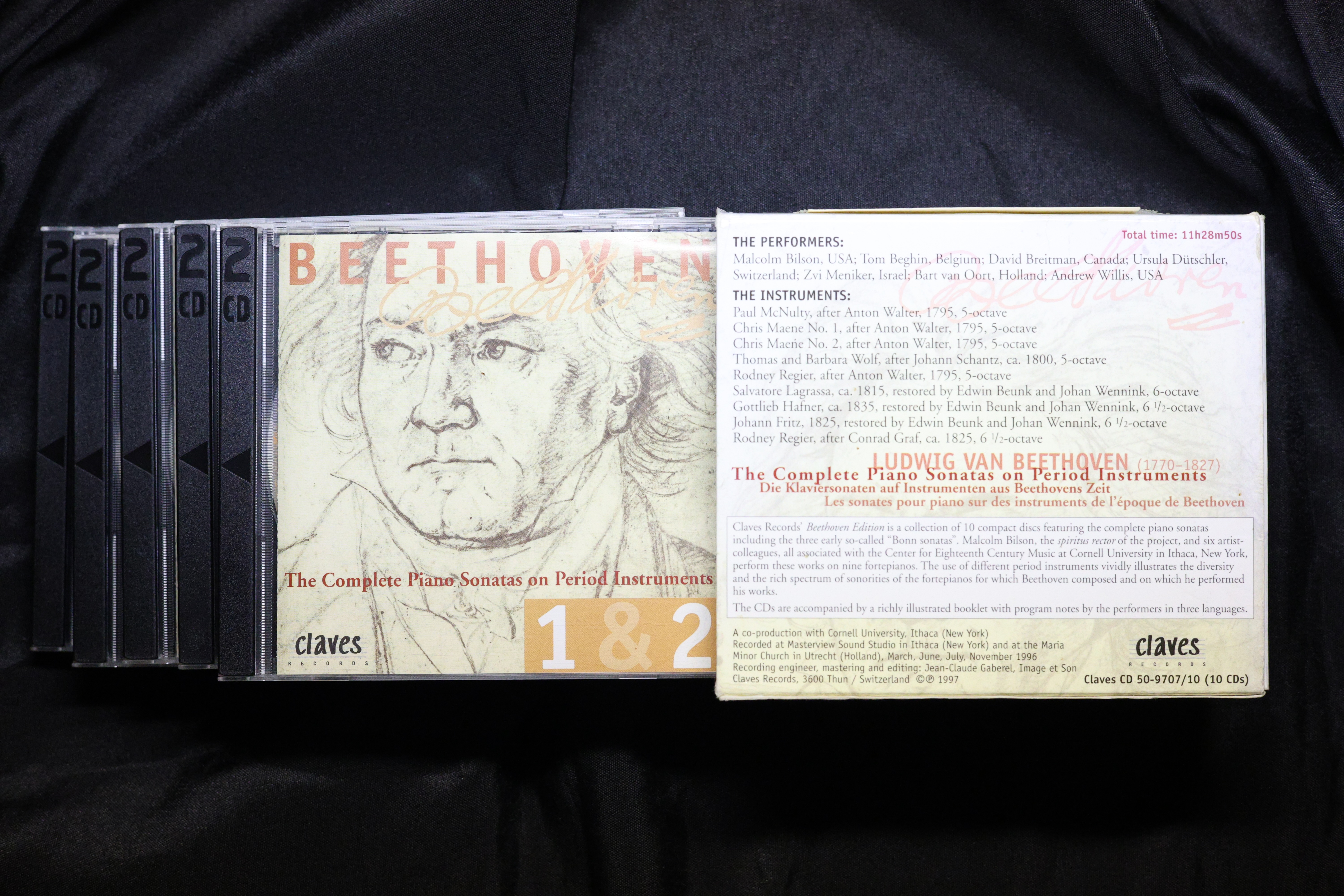
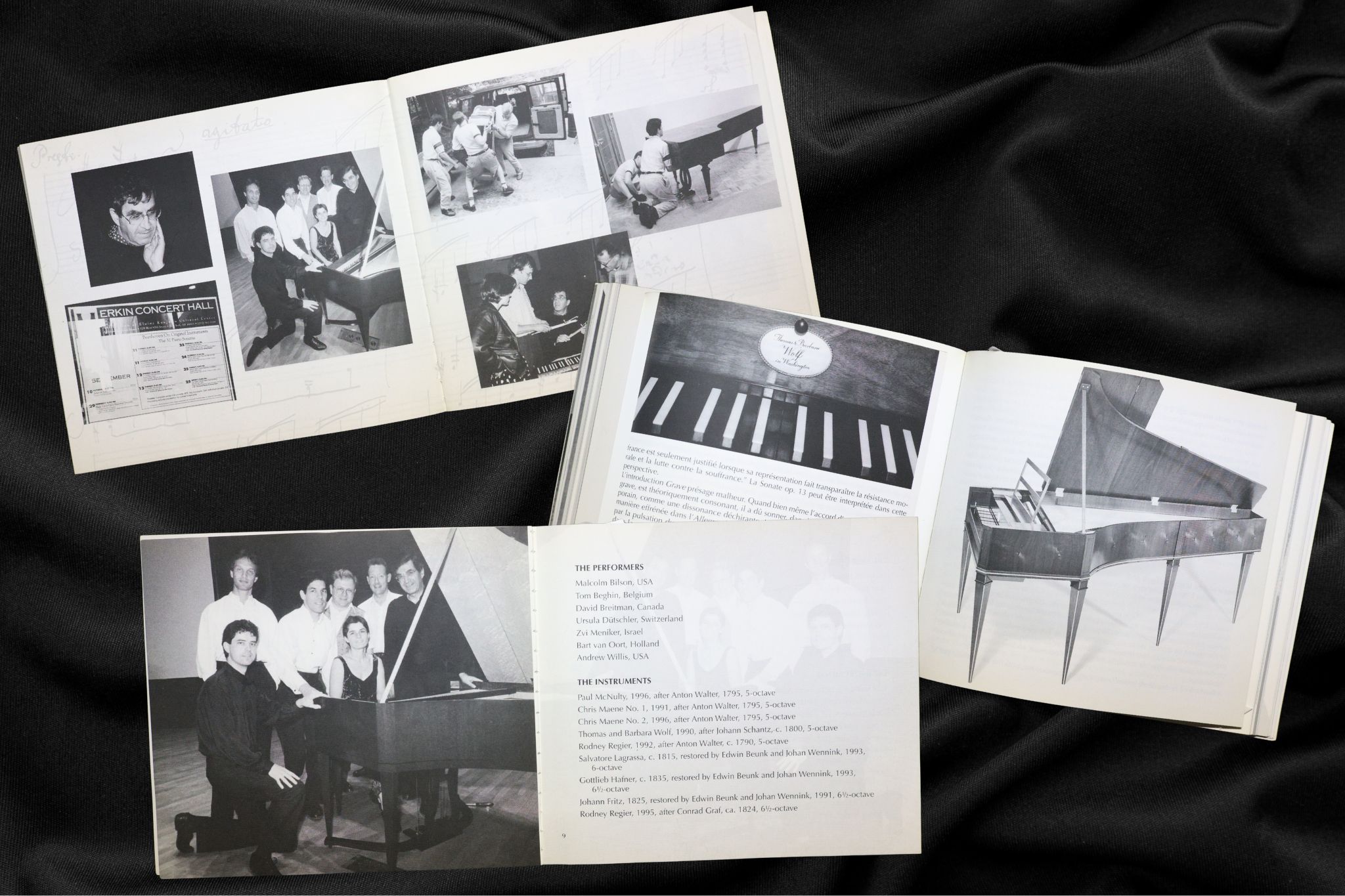
A few years before, Malcolm found himself with half a dozen unusually gifted international grad students. They decided to perform all 32 Beethoven piano sonatas on period pianos in a series of six concerts in New York. By now there were enough good appropriate instruments available; it was the first time this had ever been done as a unit. It was so notable on many levels that it seemed a shame not to document the performances. In the next couple of years everything was recorded in both the States and Europe, adding a few more pianos abroad. The huge project was finally released in 1997; it won’t soon be replicated.
Meanwhile, we delivered another piano (a Schantz) to the Schubert Club in St. Paul, described by the director as “really a star in our collection!” He sent photos of it being played by Chris Hogwood and James Galway. And we were wading into another batch of Walter pianos for universities from Canada to Mexico, the first for the University of Toronto. Eventually it became a link with Tafelmusik, who borrowed it regularly for the best fortepiano soloists in exchange for maintenance from Barbara, who had to tune for the concerts!
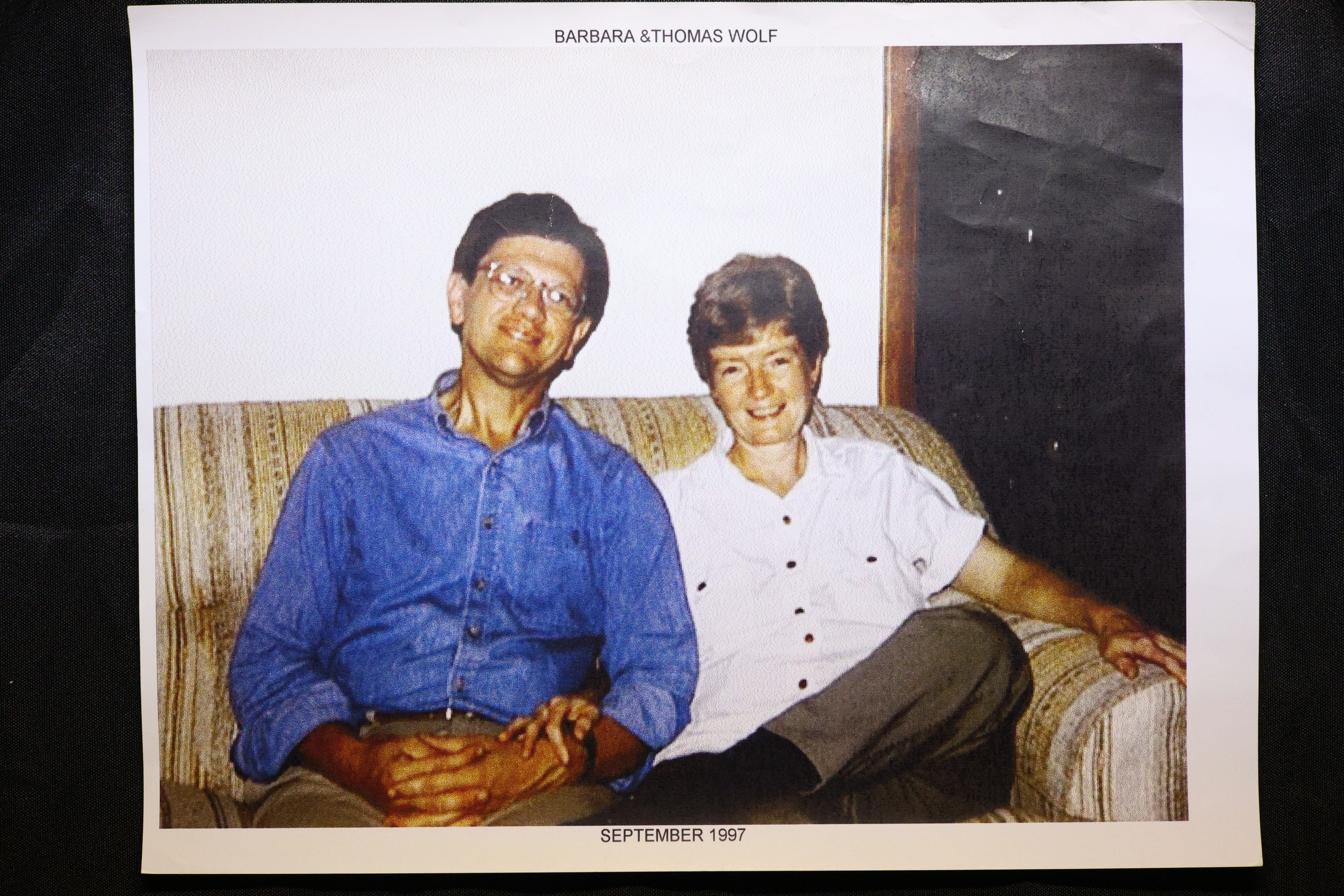
We looked pretty cheerful in a “mystery” photo from 1997 – maybe because it was the first time in more than a dozen years that there was no staff: just the two of us again.

