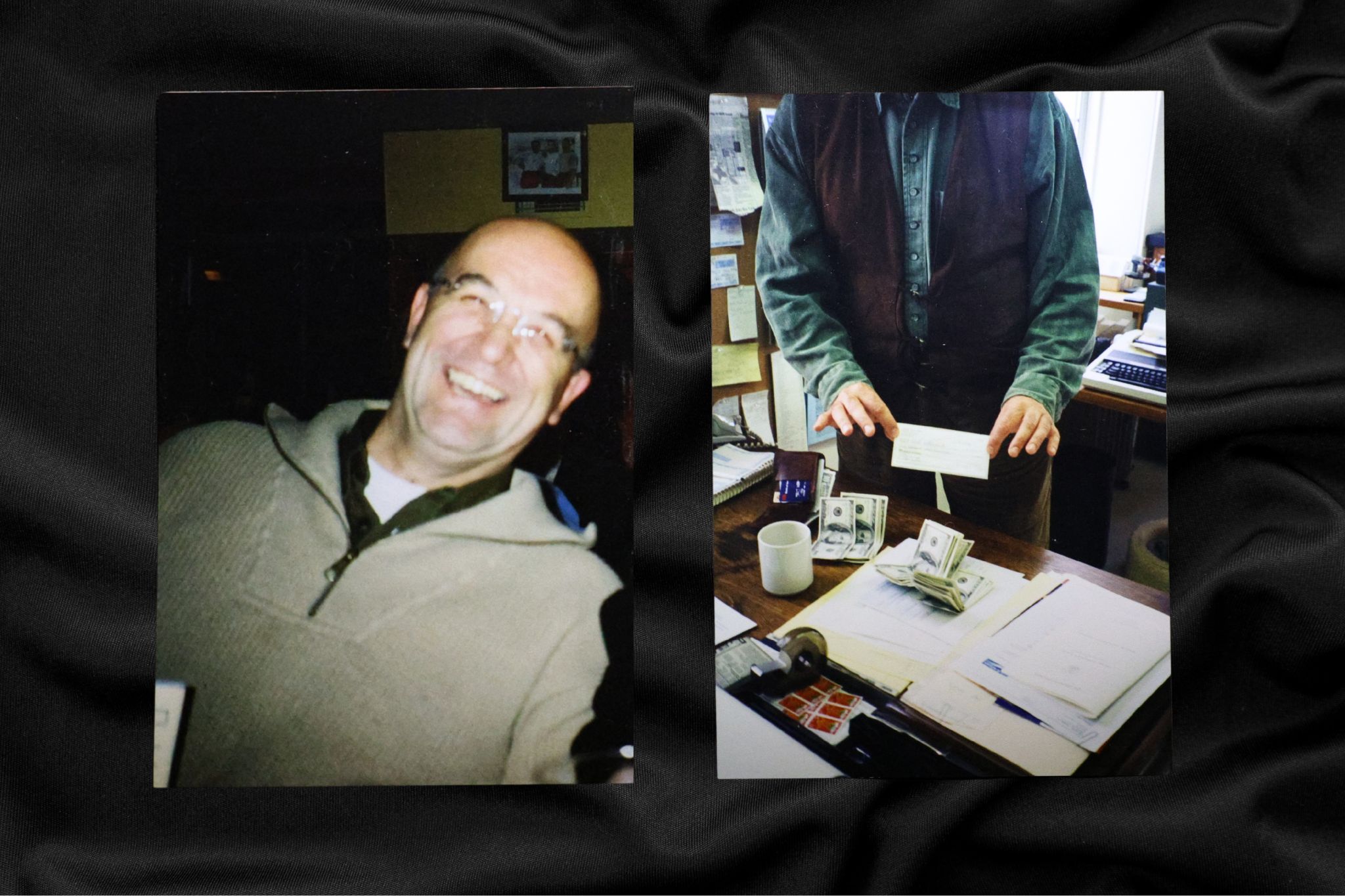
The shop’s brief period of relaxation didn’t last long: while it had been exciting to receive Jacques Ogg’s order for the Silbermann (he was thrilled to make the down payment), there were several later pianos in line ahead of him. But then we had a surprise visit from duo-pianists Katia and Marielle Labèque, who were looking ahead to the next BachJahr – the 250th anniversary of his death in 2000. The millennium would also be the official tricentennial of the “invention” of the piano (it happened just before 1700), so the year was already looking large on our horizon.
The sisters, famous as modern pianists, had become excited by a couple of top European period performance ensembles, and wanted to play Bach multiple-keyboard concerti with them. But they weren’t harpsichordists, and the only piano connection with Bach were his colleague Gottfried Silbermann’s instruments. The “girls” already had a cast-in-stone appearance at Vienna’s Musikverein on Easter Monday, 2000, along with other tours scheduled that year. An Italian maker would make a Silbermann for them, but could only do one by then, so they needed another by the fall of 1999. We agreed, violating our rule of not building to concert dates, because it would be a second Silbermann order for us. By the time other work in progress was delivered at the end of 1998, it would be less than a year to do a totally new project.
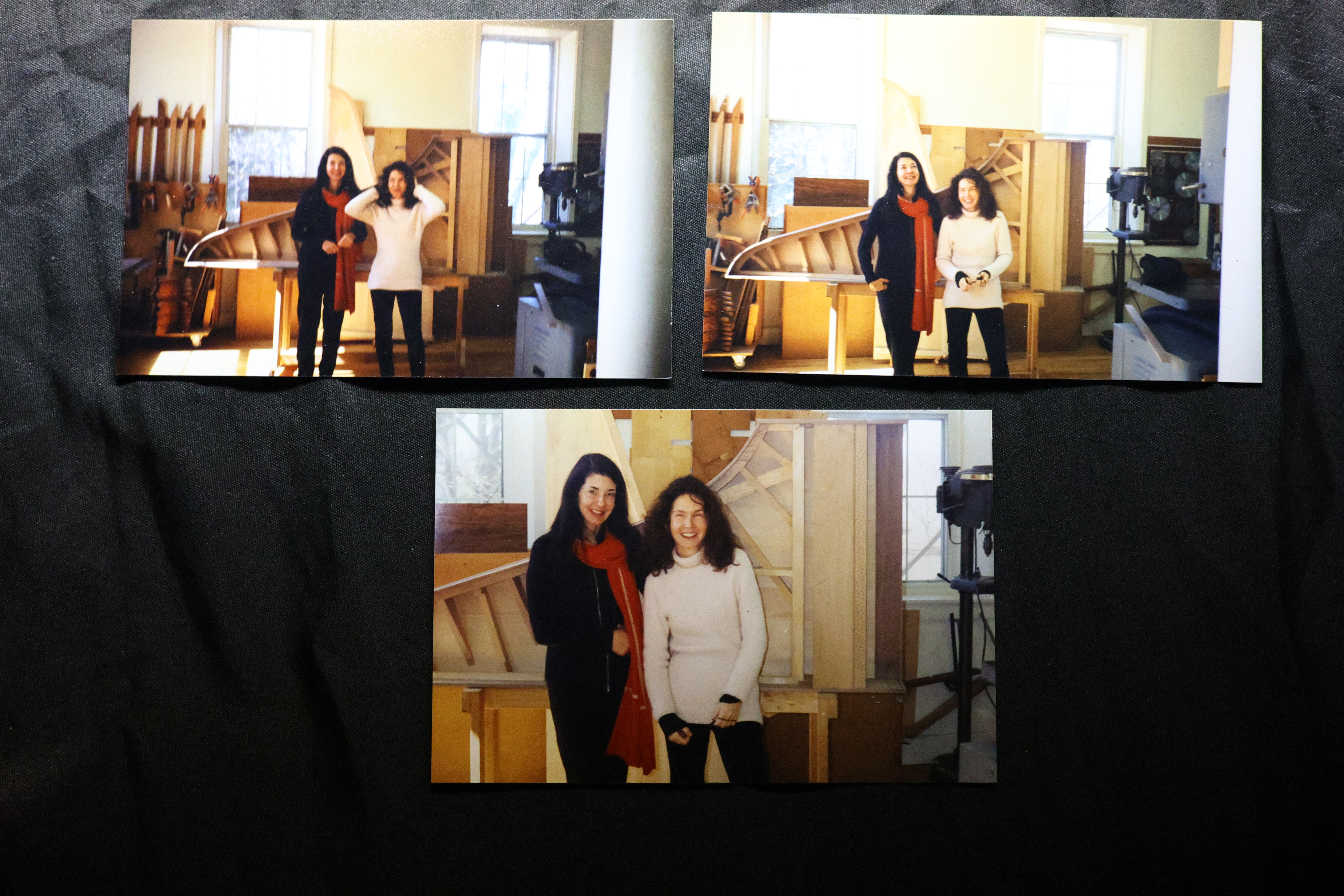
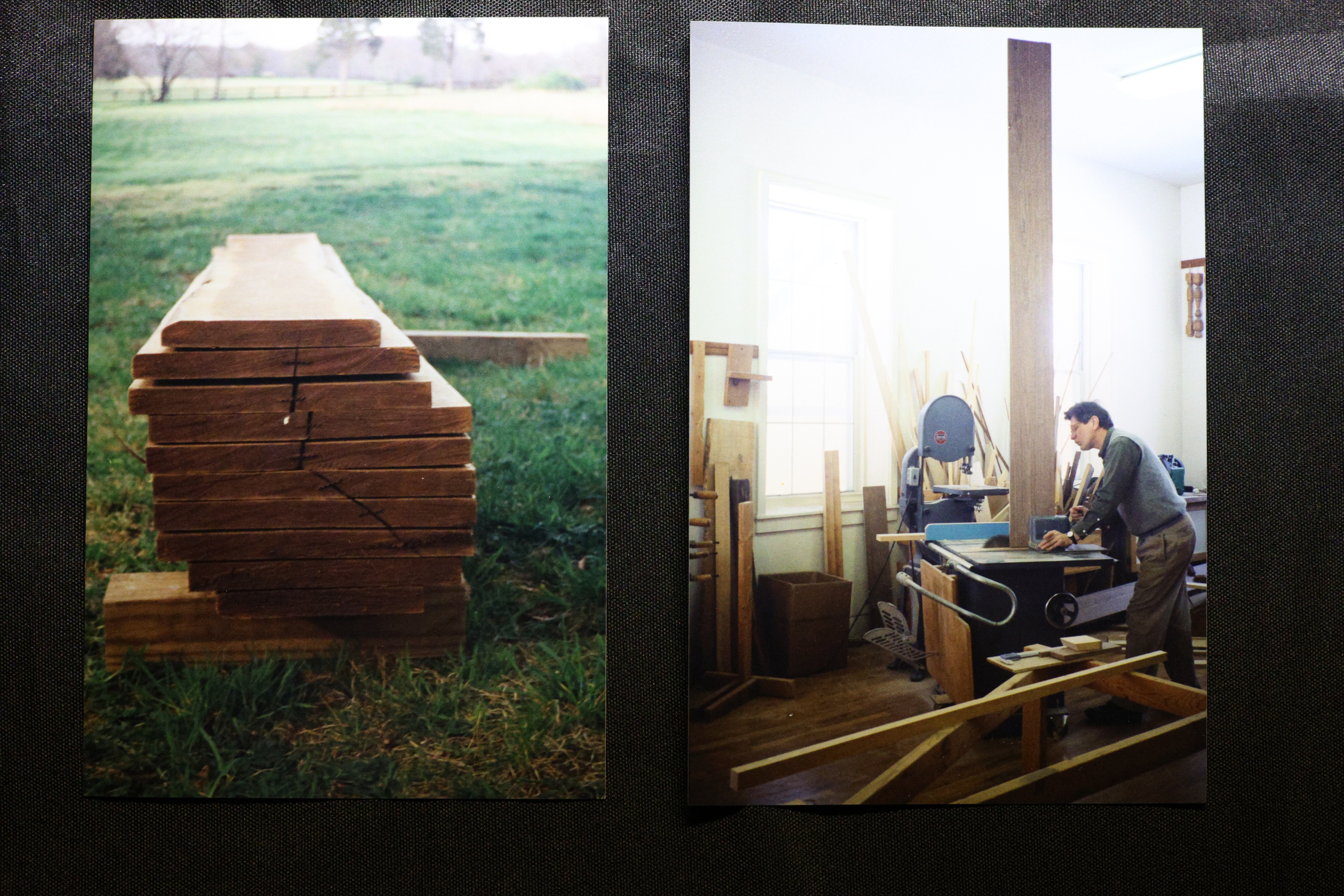
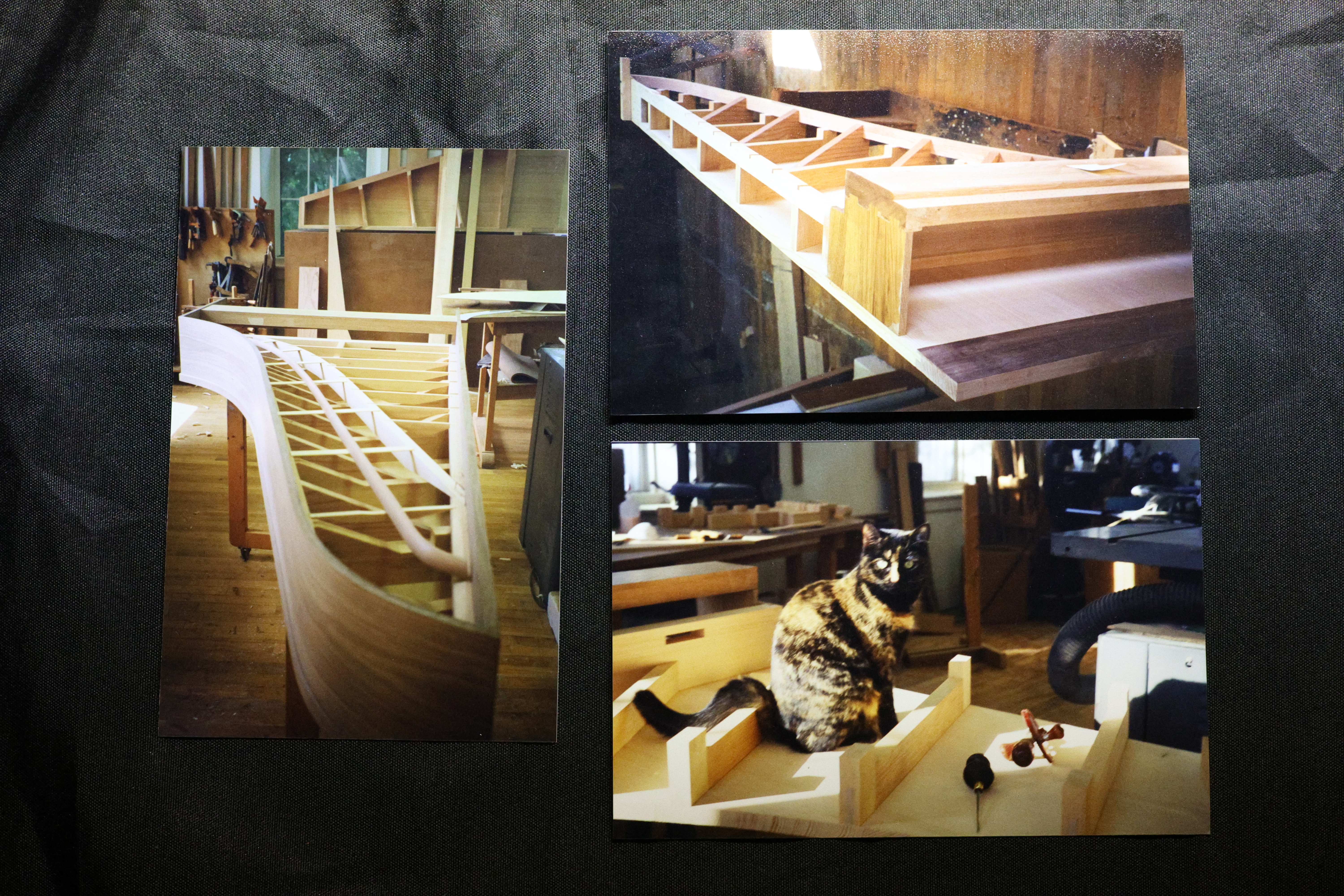
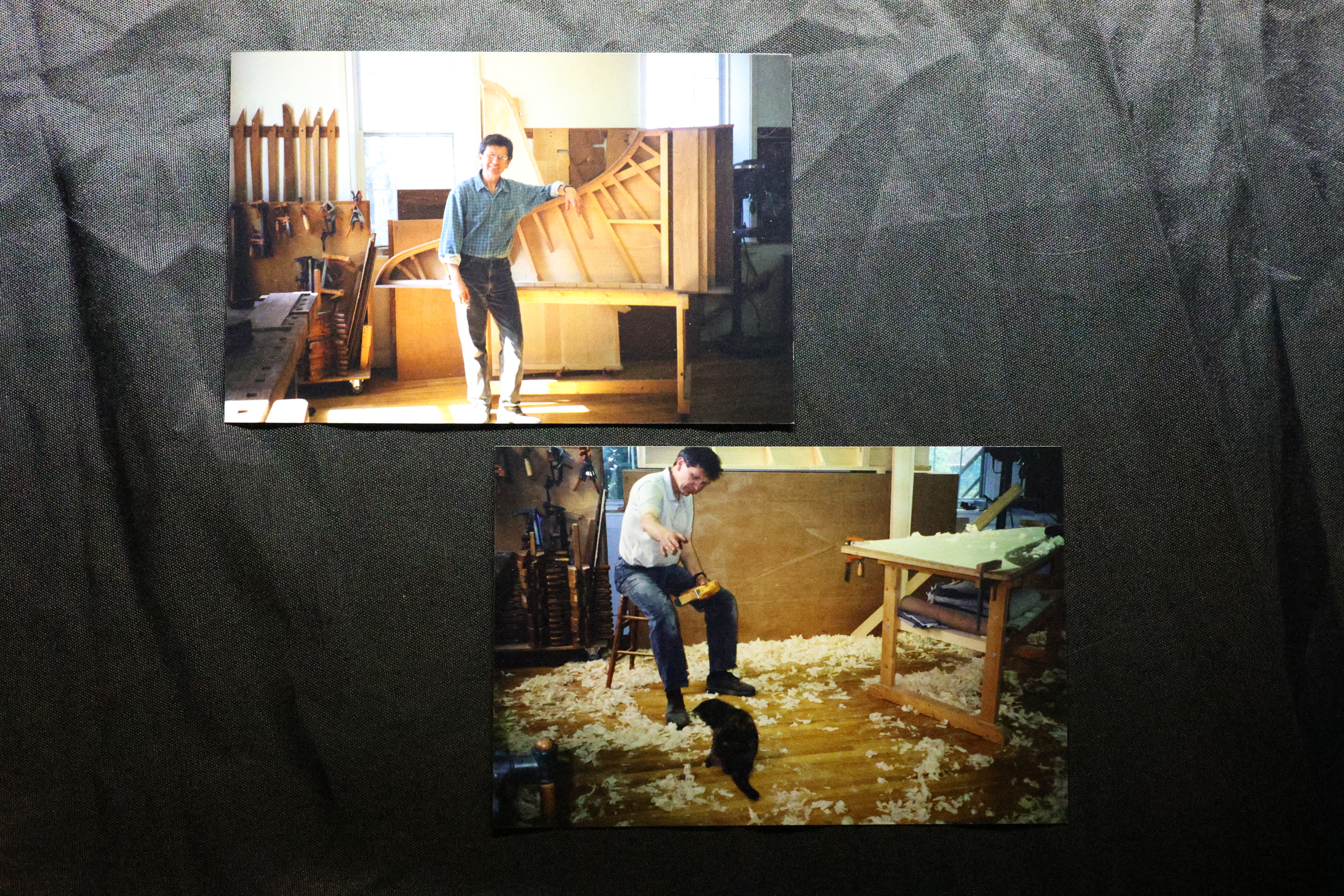
Beautiful local walnut was acquired and basic case construction got underway; the framing, scantlings and design were all quite different from later pianos. Ormolu, the shop cat, gave Tom moral support, and the Labèques paid a visit while in DC to pose with their case.
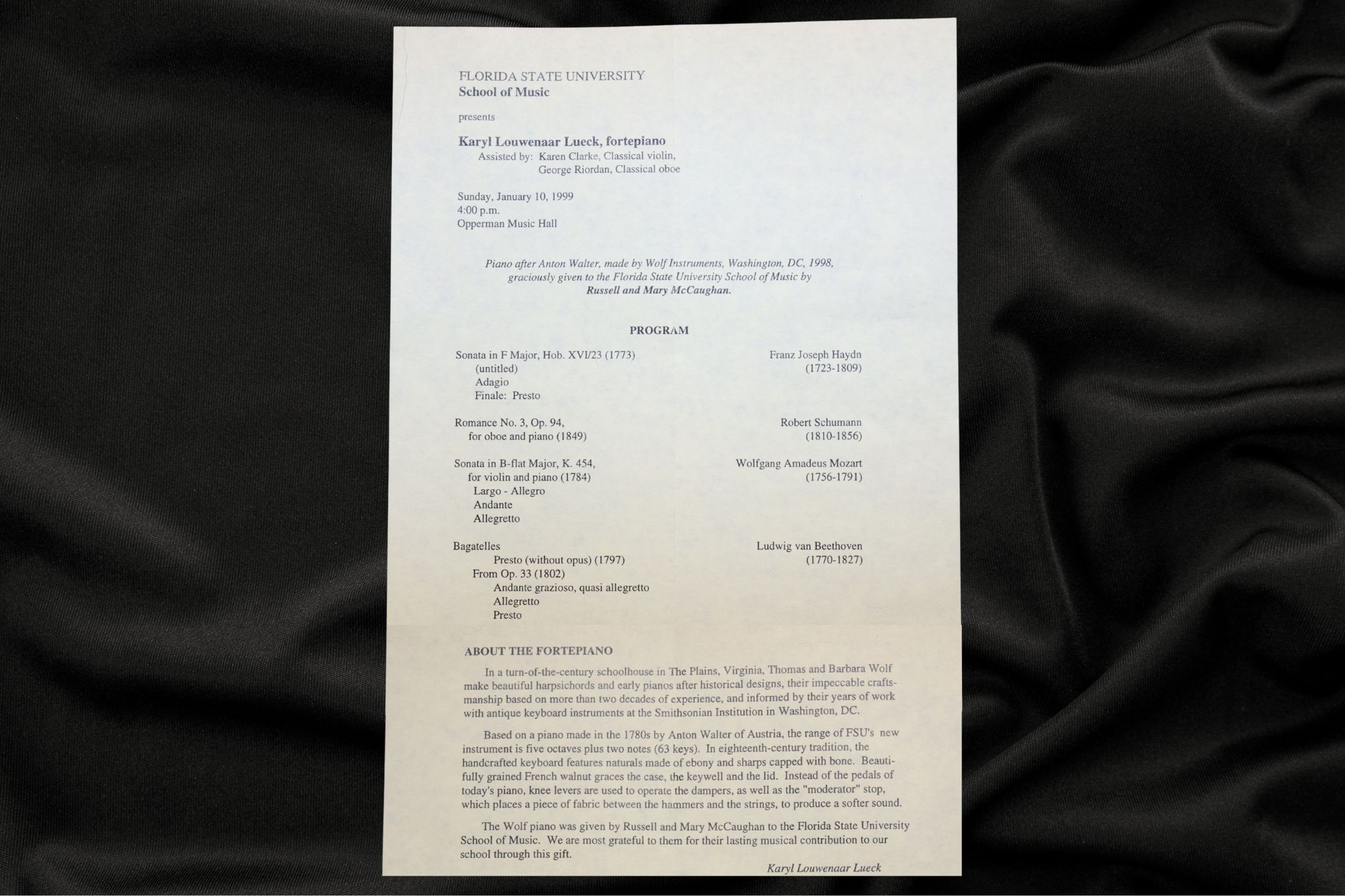
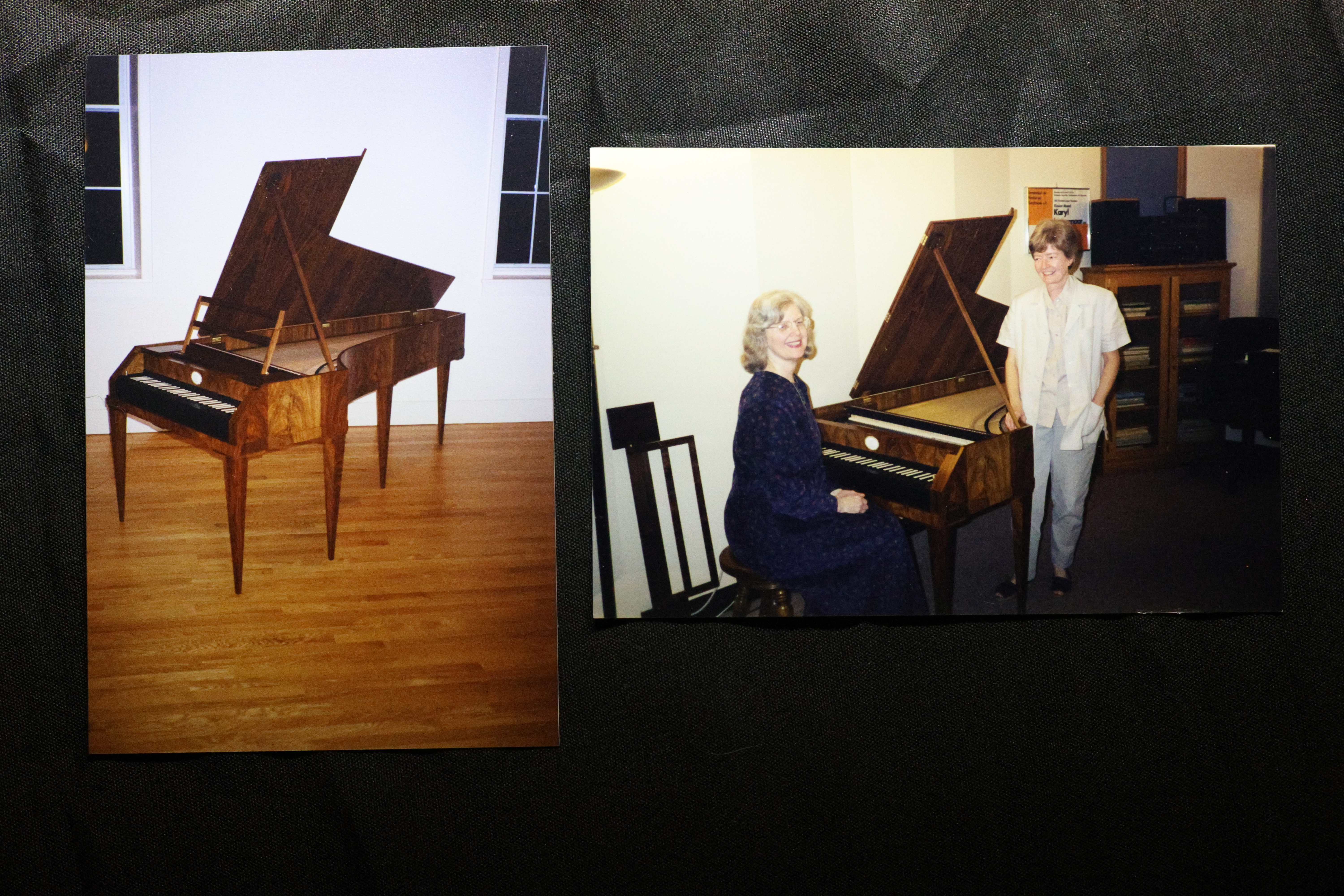
Meanwhile, ongoing work had to keep moving along. We usually had a woodworker in the shop, and subcontracted a few Walter piano frames to other makers. One of those instruments made it to the big music school at Florida State University by the end of the year – to their great relief, before the donors died.

