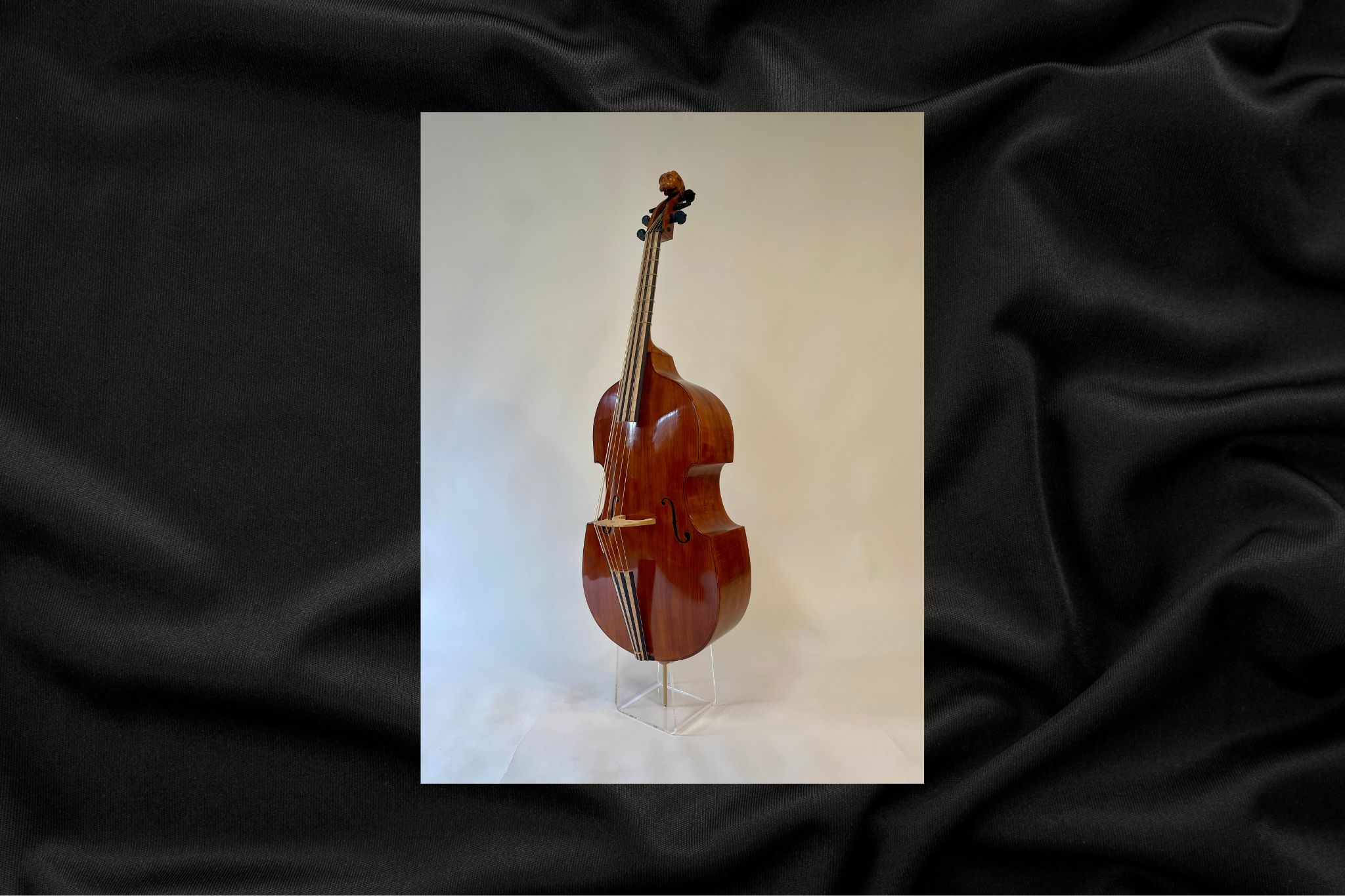
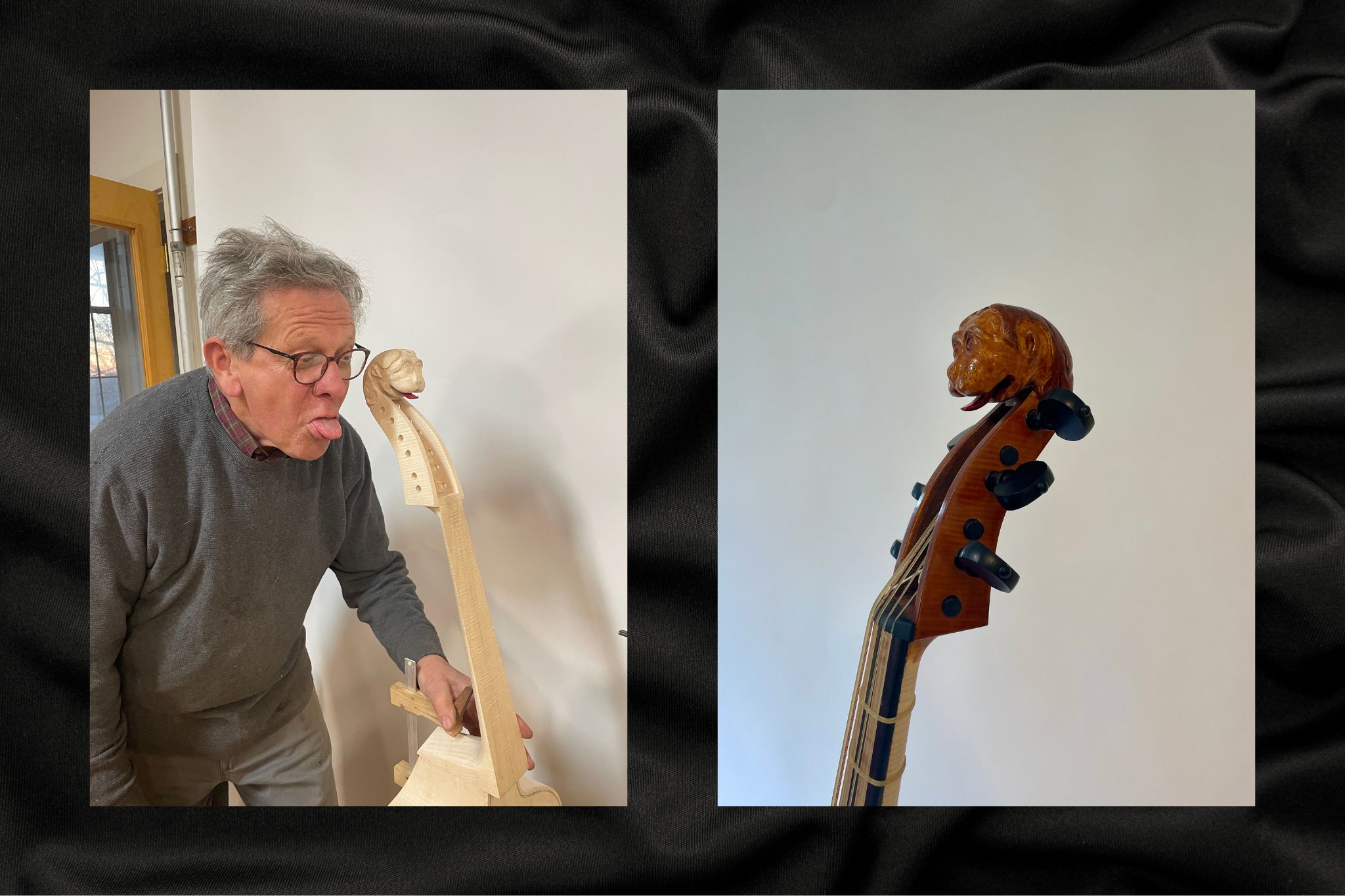
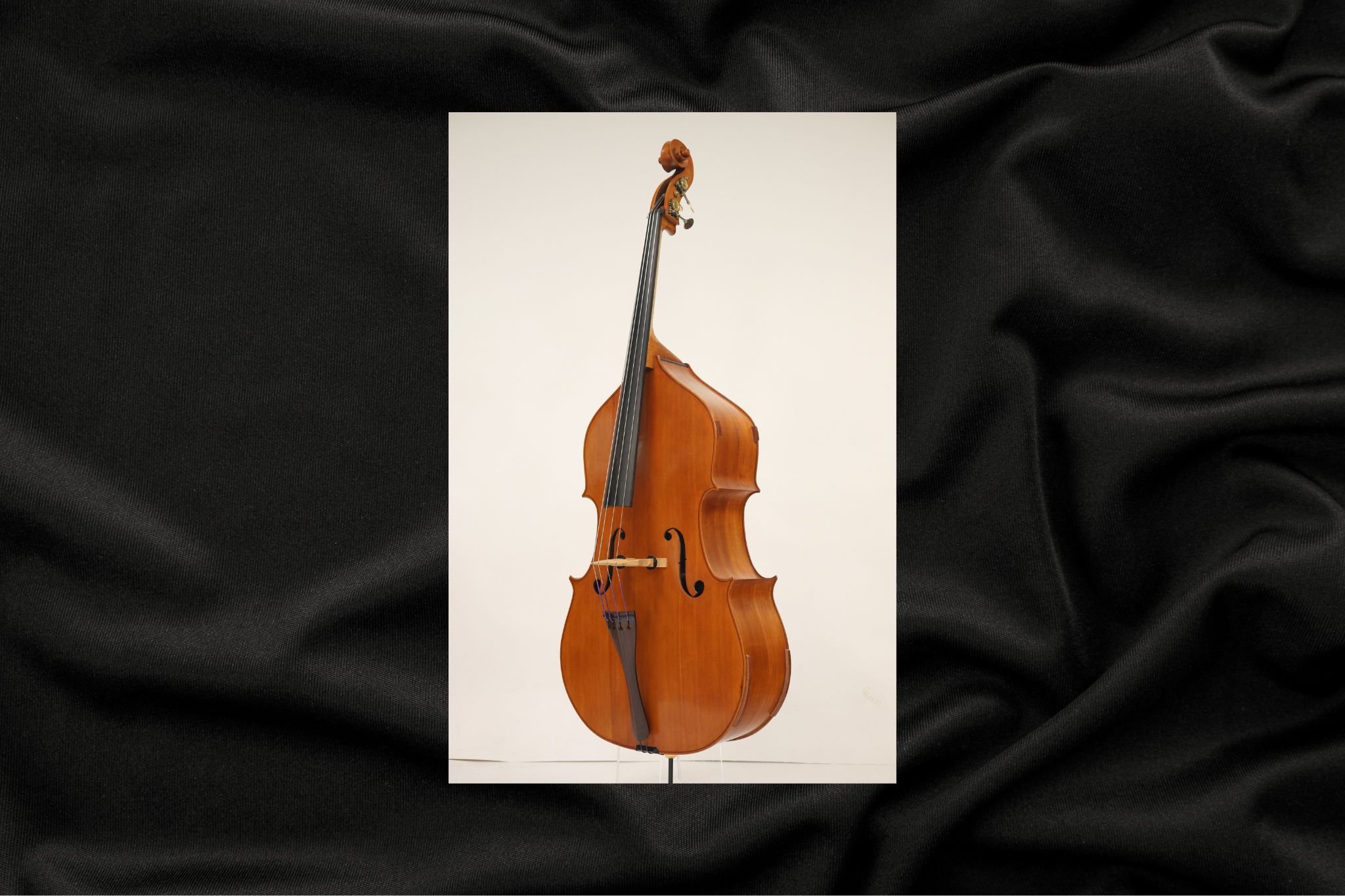
Our bass output in 2024 was wide-ranging, starting with a G-violone (second largest in the viola da gamba family: larger than a cello, smaller than a double bass). Jessica Powell Eig asked if we would use one by Jacob Stainer in Copenhagen as a model; a drawing and specifications for the instrument are available. A very nice European spruce top was combined with curly European maple for the neck, back and ribs. Visually, we preferred “F” holes (which Stainer turned to later on) to the “C” holes of the original. Tom took a carving class to improve his skills before attempting the ”lions-head” scroll. The tongue, of course, had to be stained red.
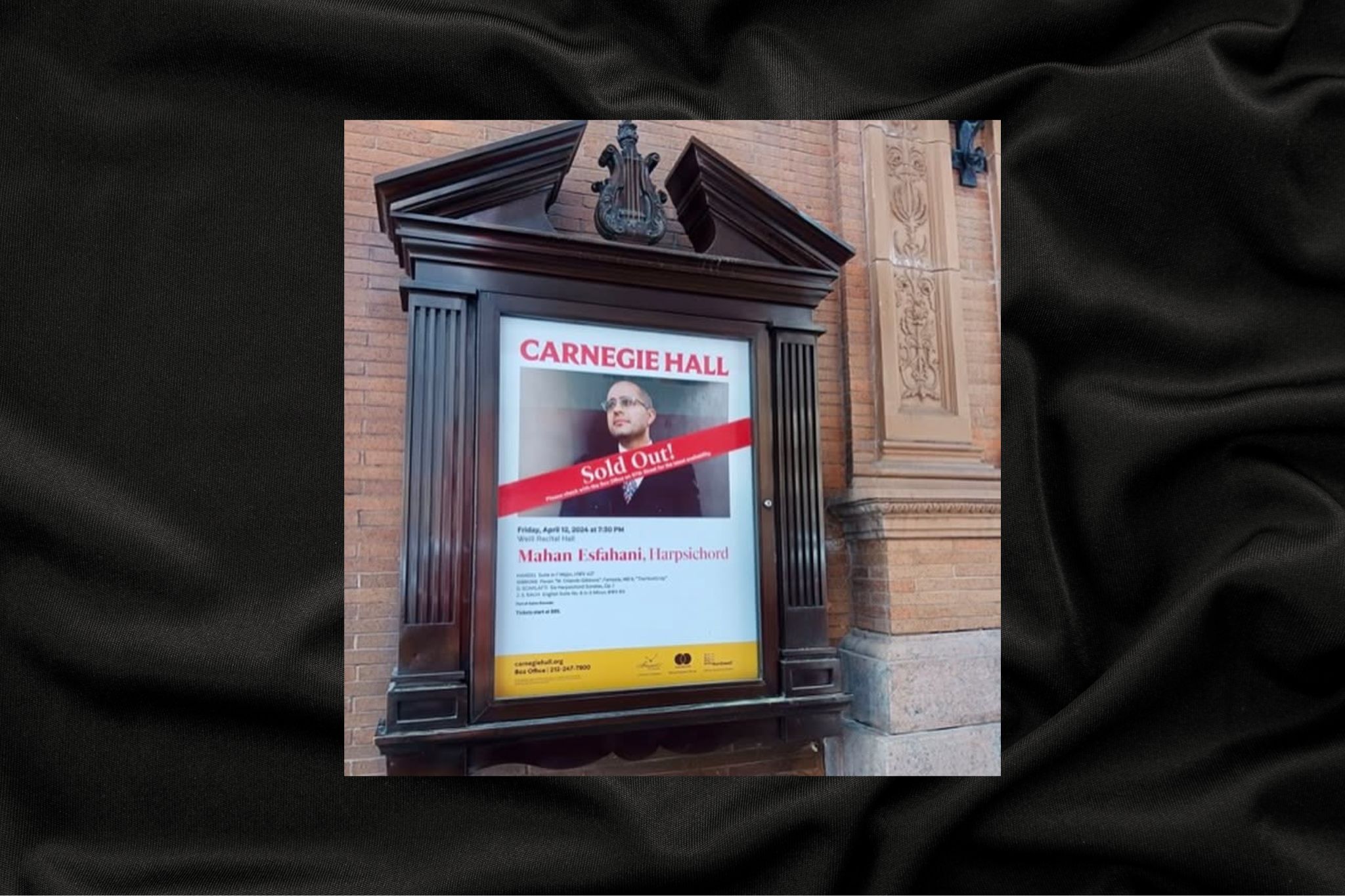
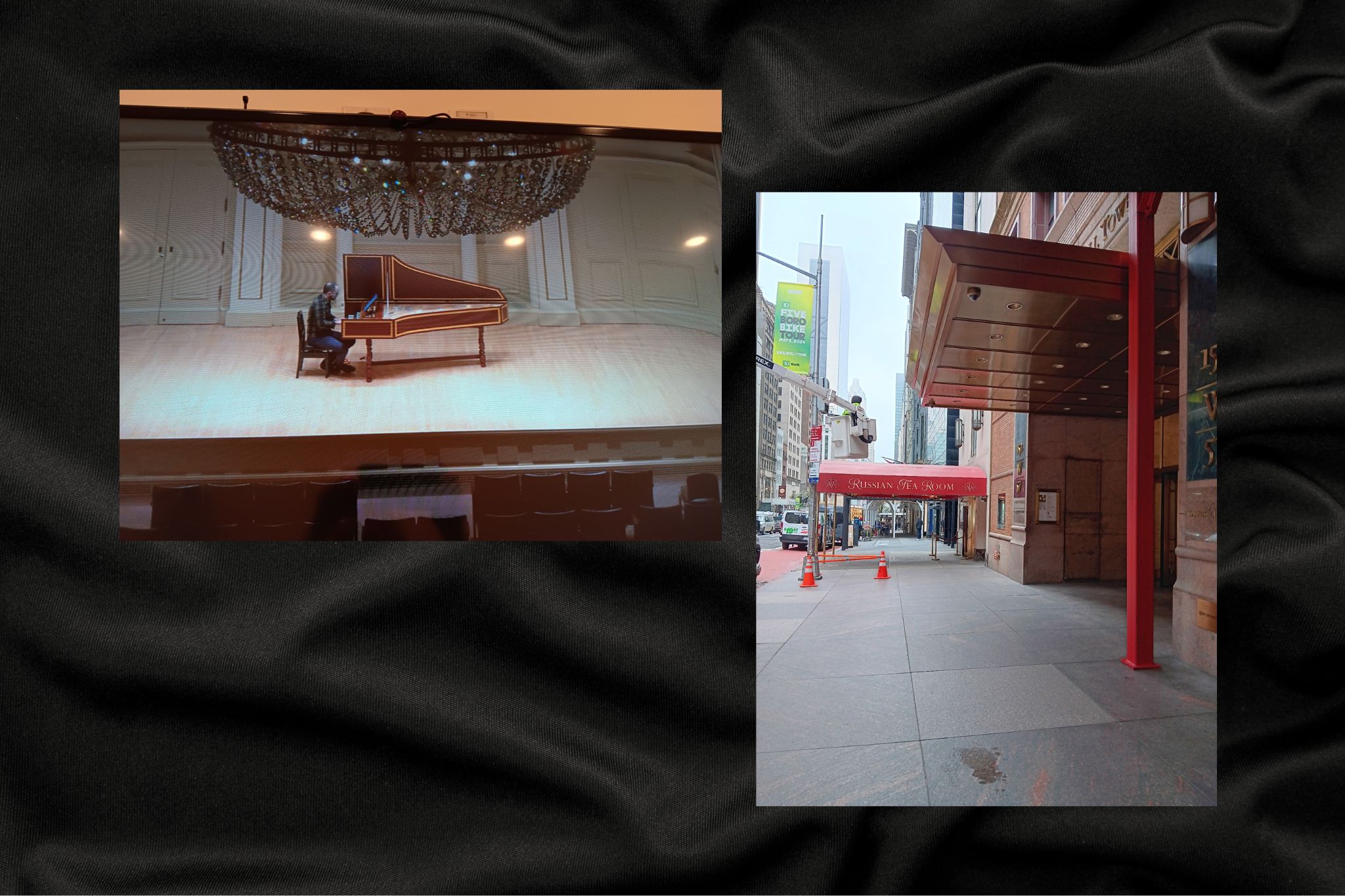
The keyboard instrument calendar was chockablock with rentals, tunings and recordings all year. We had to subcontract concert services a few times when we were double/triple booked. It’s always nice to have Carnegie Hall hire a harpsichord for a solo concert: a poster outside the entrance happily proclaimed SOLD OUT. Despite strict rules about photos and artists’ stage time, Barbara was able to capture Mahan Esfahani in rehearsal during the day. And it’s also a great excuse for dining at the fabled Russian Tea Room right next door.
Looking for a warmer sound from our next “Little Dutchy” bass, we made the first one with a quarter-sawn poplar back and ribs. The back received a “responsive” bracing system developed by Matthew Tucker in Australia. The instrument had been playing for six days when a student of Ira Gold (owner of the original) walked in and bought it.
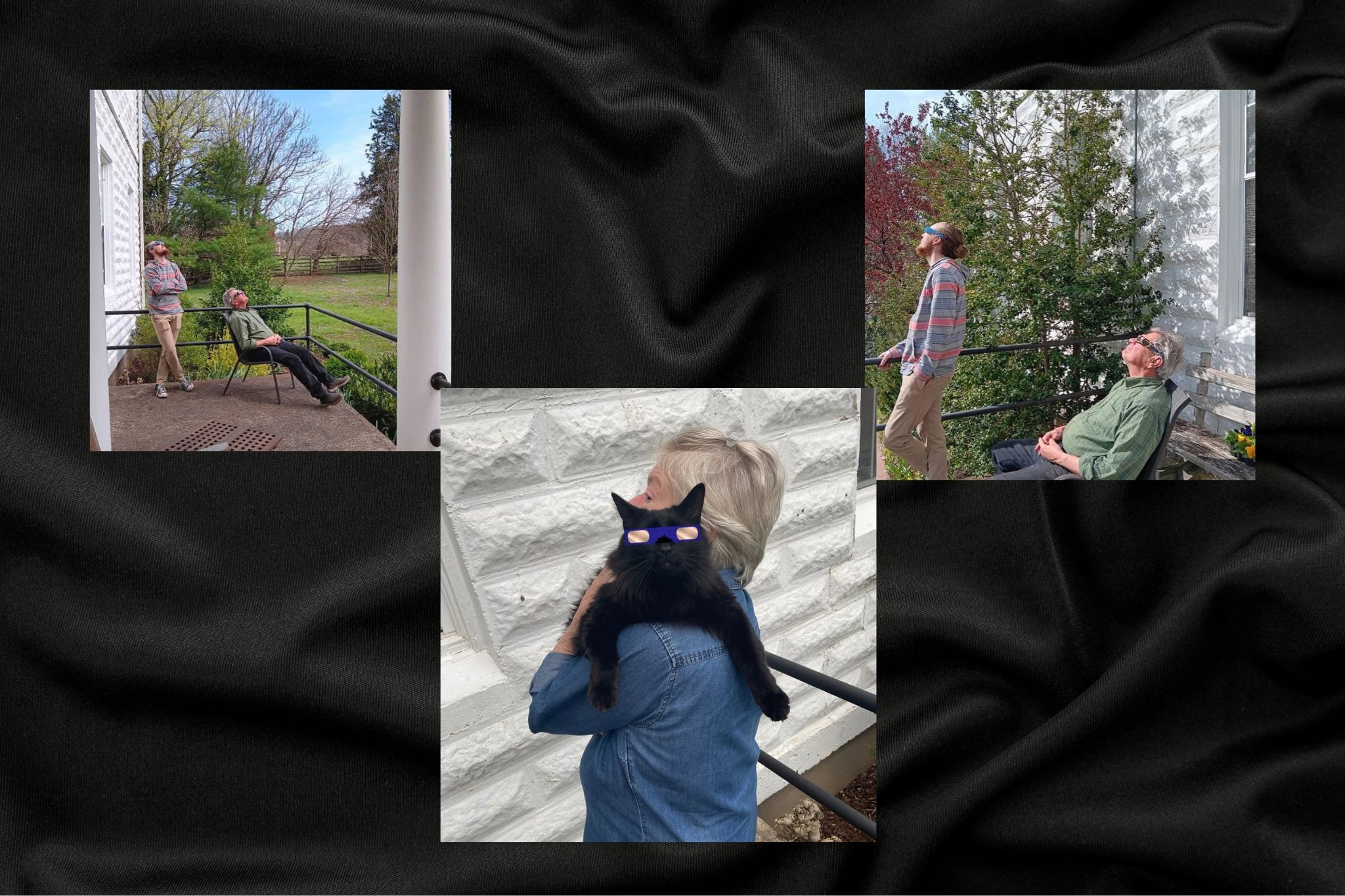
A near-total solar eclipse provided entertainment on a clear day. Everyone wore the required special sunglasses, including Zippi, who didn’t want to be left out.
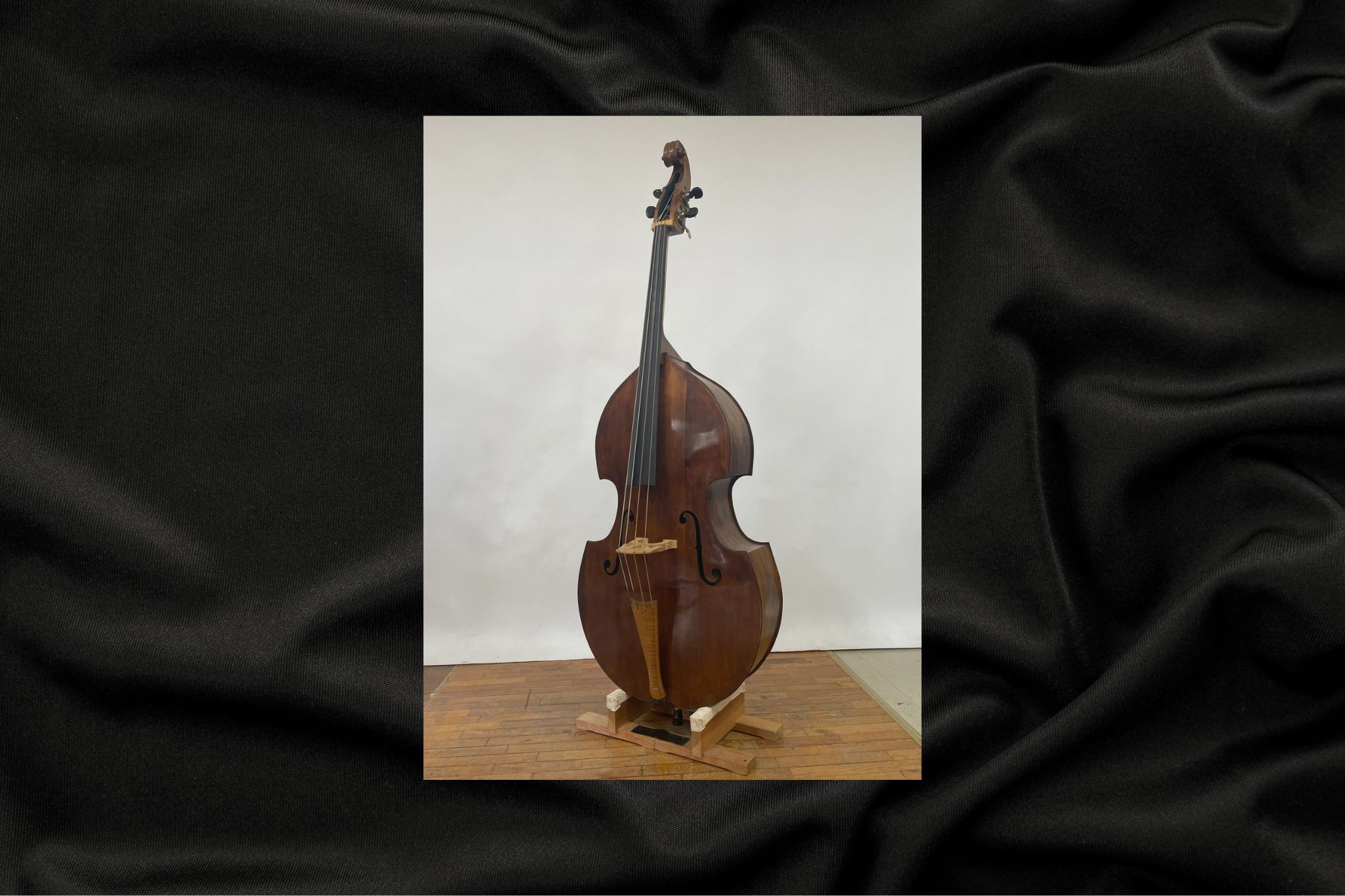
And finally, a “summer intern” project Viennese bass was nearing completion, so Tom and Jacob decided to finish it with a baroque setup. The spalted maple in it came from a tree planted in our yard in the early 20th century. It works as a rental instrument and has been widely used by touring bassists very successfully.

