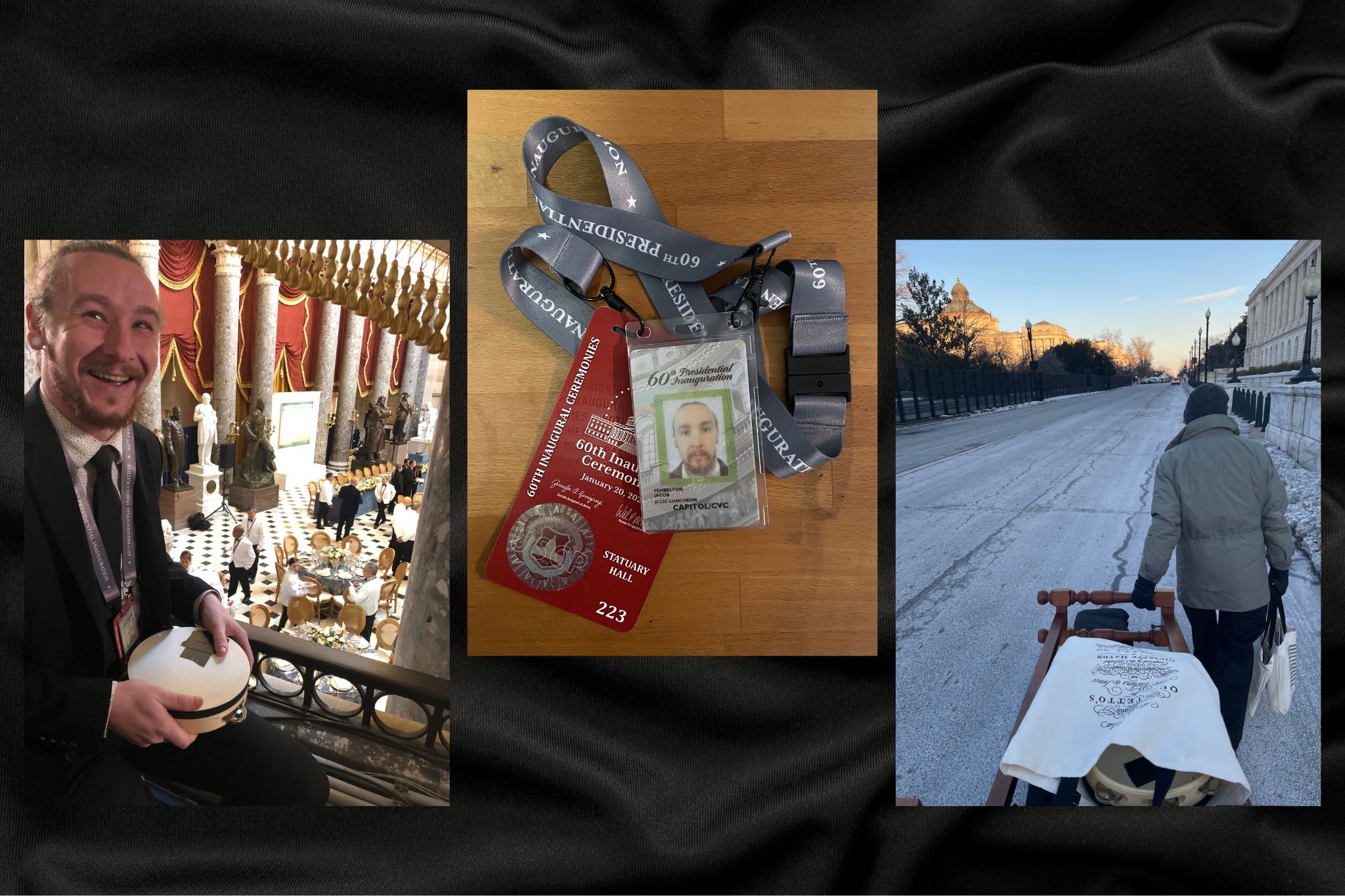
Our Jubilee year arrived with a presidential inauguration. Background music for the post-inaugural luncheon in the Capitol is supplied by the Smithsonian. The museum’s director of classical music programs, Ken Slowik, provides a program played from a balcony overlooking Statuary Hall. Space is limited, so few musicians and instruments can be accommodated. He usually takes our German single harpsichord, and this year enlisted Jacob Stone to play “percussion” and help move the instrument out afterwards. Jacob got to see a lot of famous people and big-time security.
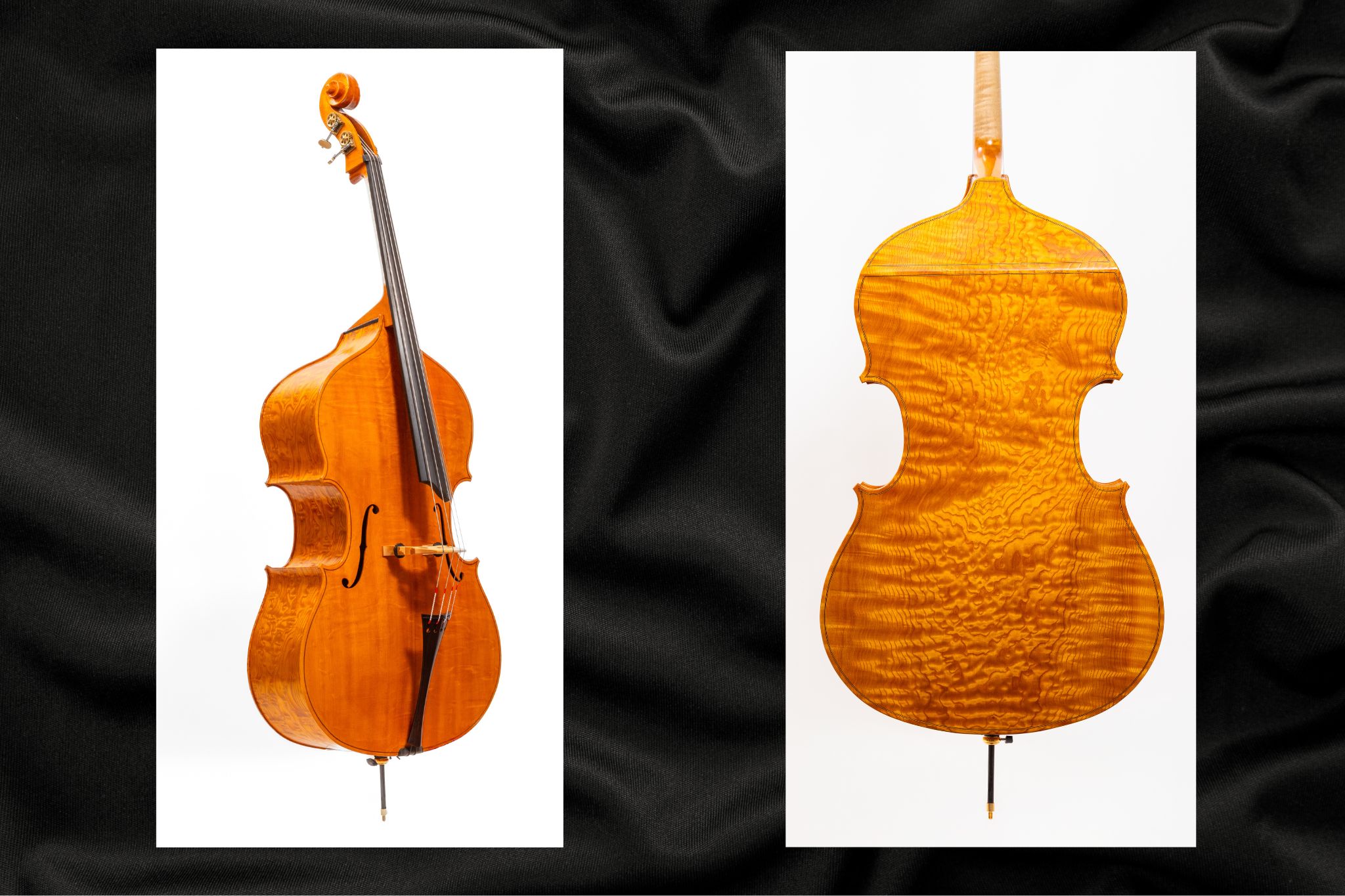
The biannual convention of the International Society of Bassists (ISB) took place in Tallahassee. We stocked an exhibition booth, but more importantly, both Tom and Jacob entered new instruments in the Makers’ Competition. They were showy in different ways: Tom’s Maggini design had a gorgeous one-piece back of European quilted ash. The bear-claw figured top was fine-grained Sitka, well-seasoned since 1965.
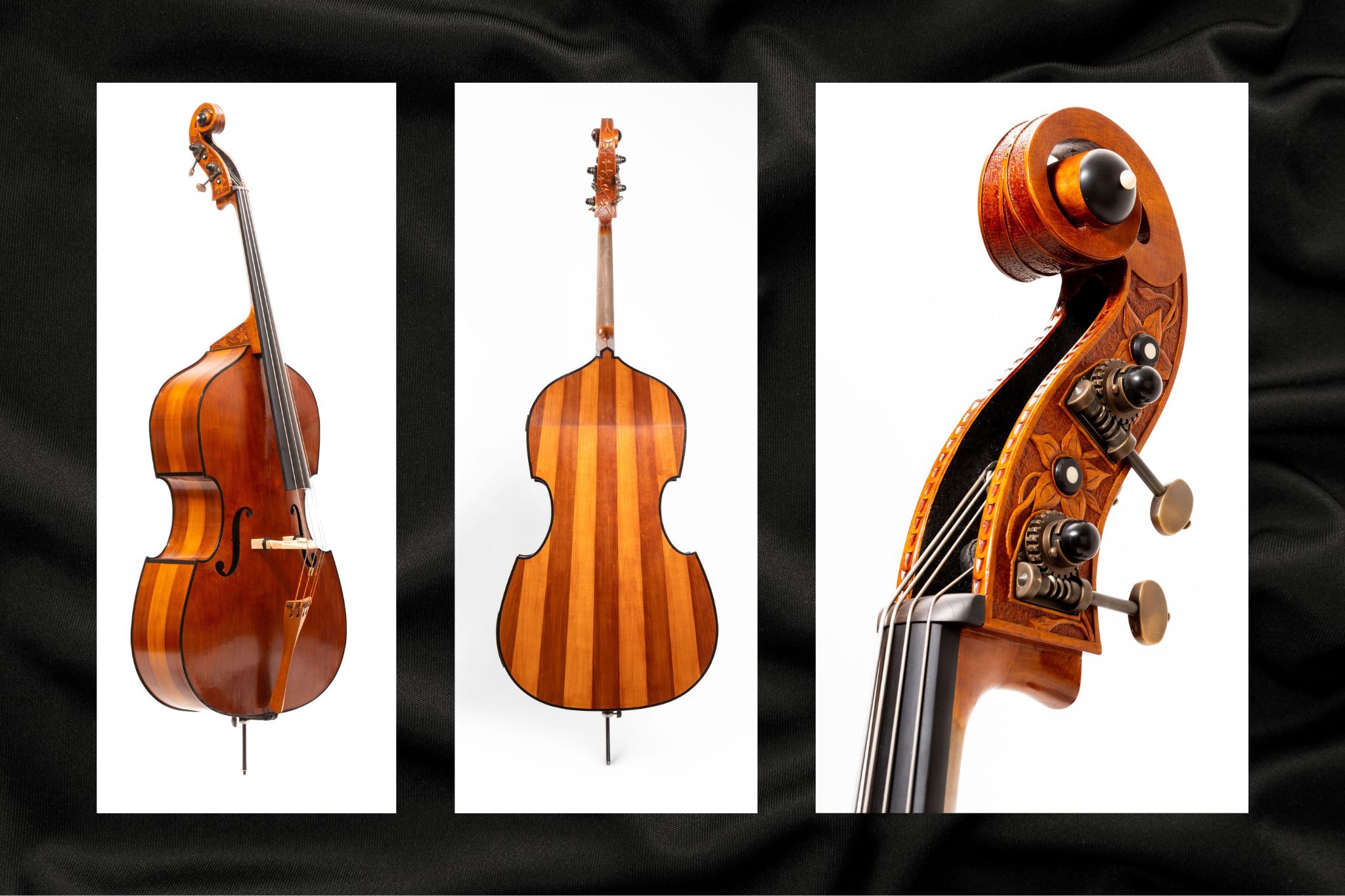
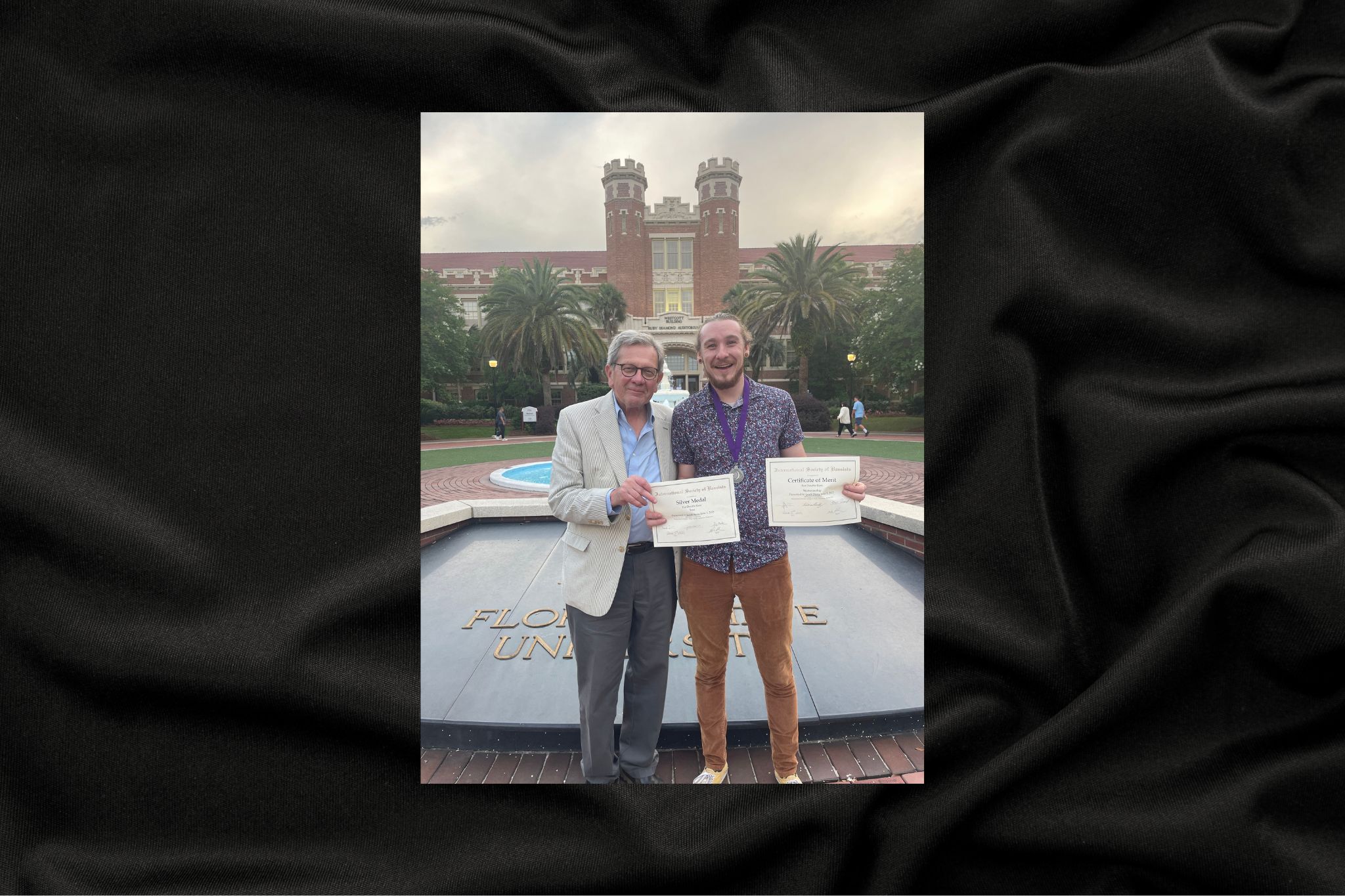
Jacob modified his Pallotta pattern both dimensionally and aesthetically, changing the violin corners to gamba corners. He had been introduced to playing the gamba by Ken Slowik, and then exposed to the work of viol maker Joachim Tielke. Inspired by Tielke, he designed his third bass with a staved back and ribs of cherry and poplar. With inked edges, carved motifs on the neck and pegbox, and ornamentation on a hollow scroll, it was visually stunning. It received a silver medal for tone and a certificate for workmanship – the best total of awards in the competition. It was sold by the end of the week.
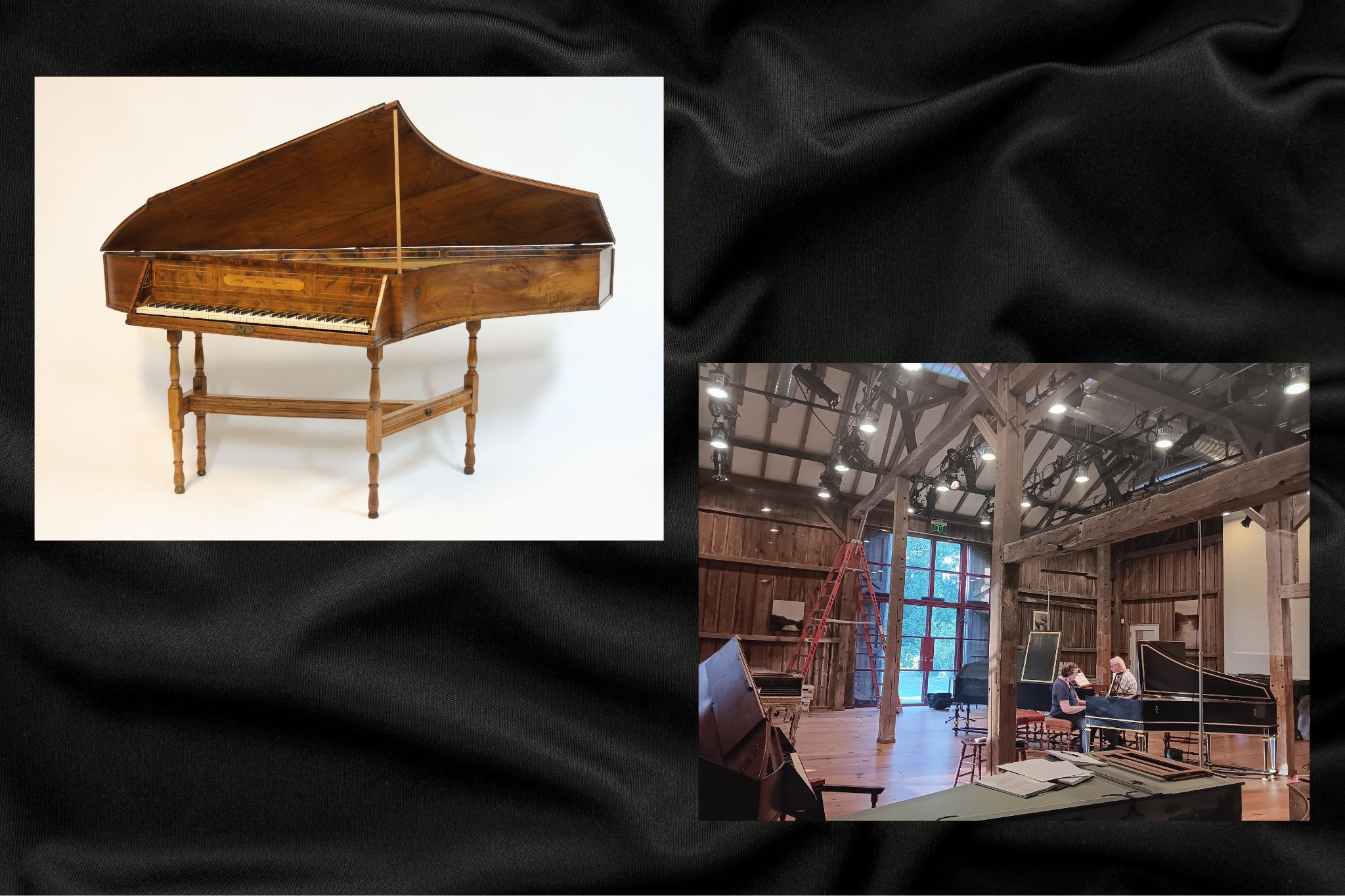
By the end of the summer, we had finished restoring an English bentside spinet made by Joseph Mahoon in 1742. Barbara returned it to the Flint collection when she went to tune and service instruments for recording of duo-harpsichord pieces played by Karen Flint and Arthur Haas.
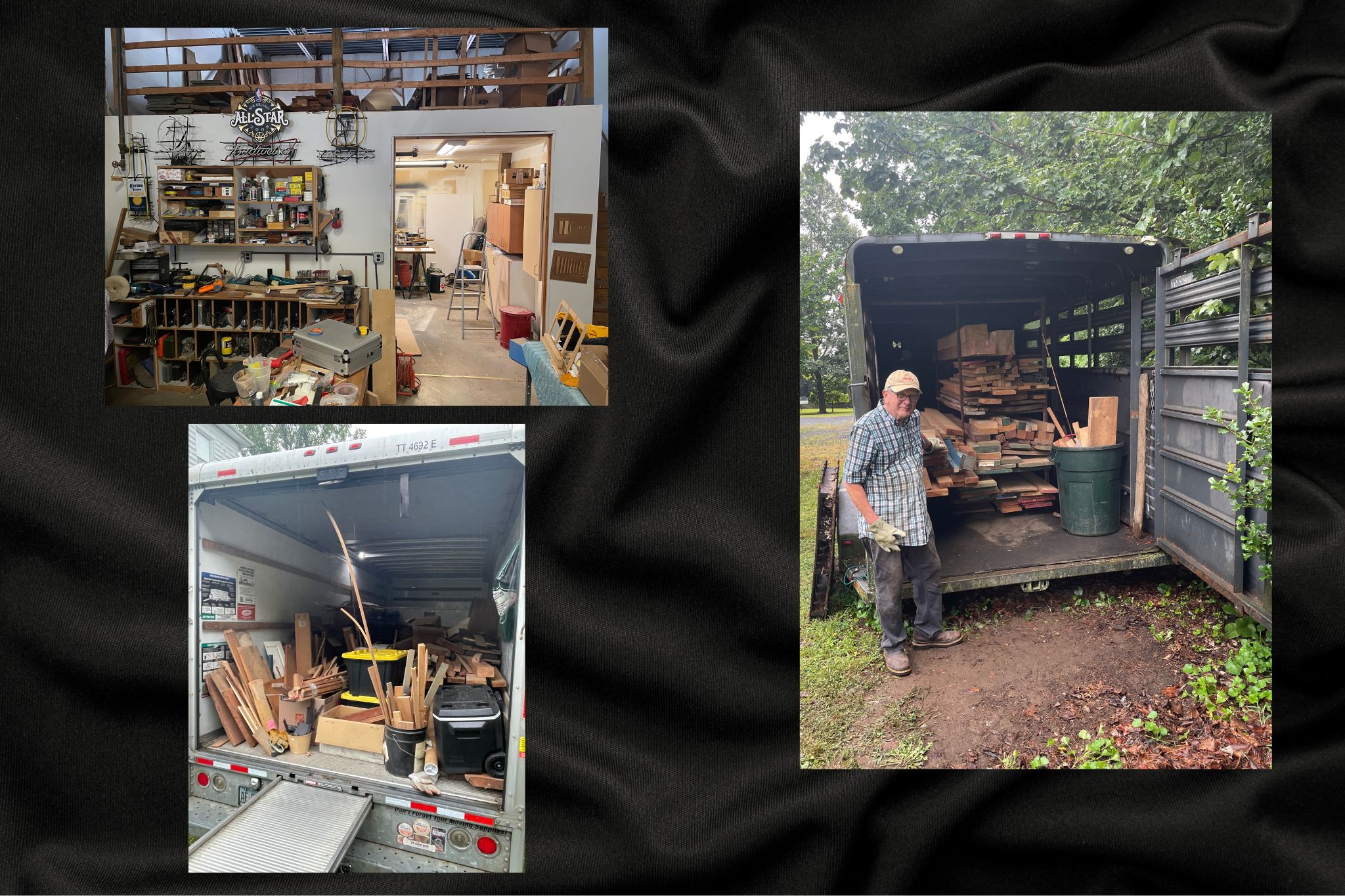
We acquired a significant amount of wood and supplies from the shop of recently deceased colleague Mark Adler. The horse trailer provided temporary storage while other space was reorganized. It was a literal investment in the future: the next 50 years to come.

